Contents:
- The Core Red Carnation Meaning: Love, Admiration, and Deep Affection
- Red Carnations vs. Red Roses: What’s the Difference?
- When to Give Red Carnations: A Seasonal Gifting Calendar
- Budget Breakdown: What Red Carnations Cost
- Eco-Friendly Choices: Greener Ways to Give Red Carnations
- Practical Tips for Giving Red Carnations
- Pairing Red Carnations with Other Flowers
- A Note on Quantity
- Keeping Them Fresh
- Frequently Asked Questions About Red Carnation Meaning
- What does a red carnation symbolize?
- Are red carnations appropriate for funerals?
- What is the difference between red and pink carnation meaning?
- Can I give red carnations on Valentine’s Day?
- Do red carnations have a scent?
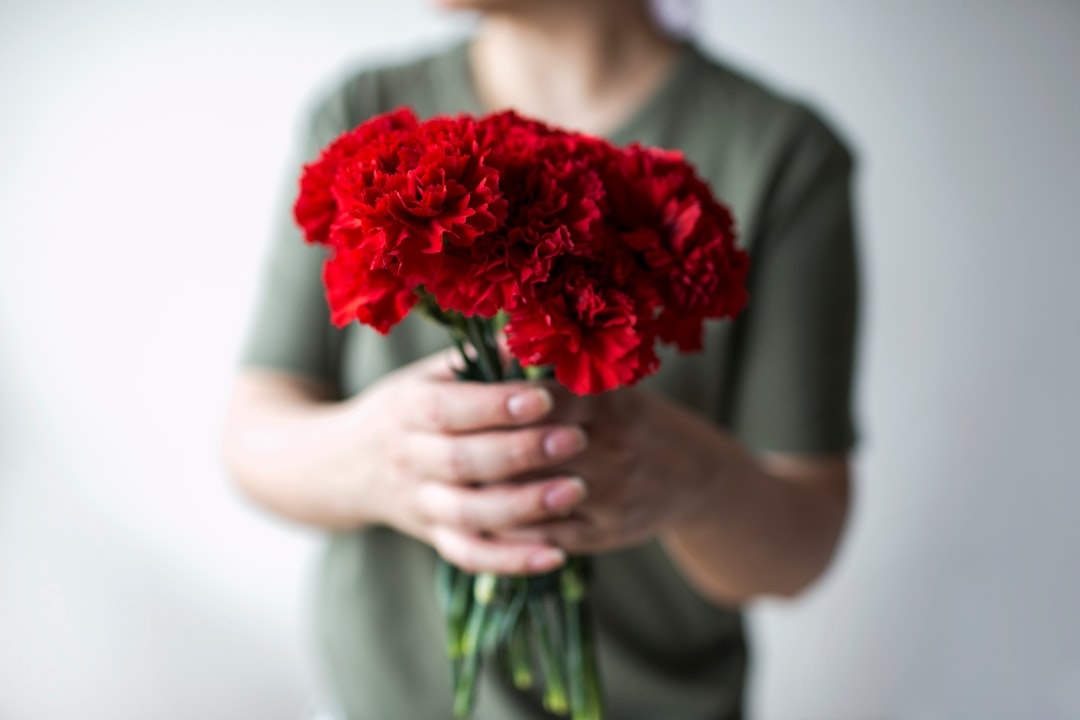
Have you ever handed someone a red carnation and wondered whether it said exactly what you meant? The red carnation meaning is richer and more layered than most people realize — and getting it right can turn a simple flower into a genuinely memorable gesture.
Red carnations (Dianthus caryophyllus) have been delivering messages for over 2,000 years. They’re one of the oldest cultivated flowers in Western history, originally native to the Mediterranean region. Unlike roses, which can feel almost too on-the-nose, red carnations carry nuance. They speak of deep love, yes — but also admiration, pride, and heartfelt affection that doesn’t demand anything in return.
The Core Red Carnation Meaning: Love, Admiration, and Deep Affection
At its heart, a red carnation signals strong, sincere love. The deeper the red, the more intense the sentiment tends to feel. A bright scarlet carnation leans toward passionate, romantic love. A darker burgundy-red variety tilts toward deep admiration and respect — the kind you’d show a parent, mentor, or long-time friend.
The name Dianthus literally translates from Greek as “flower of the gods,” which gives you a sense of just how seriously the ancients took these blooms. In early Christian symbolism, red carnations were said to have sprung from the tears of the Virgin Mary, making them a symbol of undying love and maternal devotion. That dual identity — romantic and familial love — is exactly what makes them so versatile.
Red Carnations vs. Red Roses: What’s the Difference?
Red roses mean “I love you” in a fairly direct, romantic sense. Red carnations are warmer and less transactional. They say “I deeply care about you” without the pressure. This makes them ideal for Mother’s Day, anniversaries, graduations, and even sympathy arrangements — situations where a bouquet of roses might feel too narrow or too intense.
When to Give Red Carnations: A Seasonal Gifting Calendar
Red carnations are available year-round from most US florists, but they hit peak freshness and best pricing during specific windows:
- January–March: Peak availability from South American growers (Colombia and Ecuador supply roughly 70% of US carnations). Great for Valentine’s Day — and a more affordable alternative to roses.
- April–May: Perfect timing for Mother’s Day (second Sunday in May). Red carnations are the official Mother’s Day flower, a tradition started by Anna Jarvis in 1907.
- May–June: Graduation season. A bouquet of red carnations paired with white ones (which symbolize pure love and good luck) is a classic congratulatory gift.
- October–November: Fall weddings and anniversary season. Deep red varieties photograph beautifully against autumn palettes.
Outside these windows, carnations are still easy to find — they’re one of the most reliably stocked flowers at grocery stores, wholesale clubs, and online delivery services nationwide.
Budget Breakdown: What Red Carnations Cost
One of the best things about red carnations is that they’re genuinely affordable without looking cheap. Here’s a realistic price guide for the US market in 2026–2026:
- Grocery store bunch (10–12 stems): $6–$12
- Local florist arrangement (mixed bouquet with carnations): $35–$65
- Online delivery, single-variety carnation bouquet (15–20 stems): $28–$55 including shipping
- Wholesale (Sam’s Club, Costco, or FiftyFlowers.com for DIY): $40–$80 for 100–150 stems — ideal for weddings or events
Compared to red roses, which average $4–$6 per stem at a florist, carnations run closer to $0.75–$1.50 per stem. That’s a significant difference when you’re building a large arrangement or ordering for a group.
Eco-Friendly Choices: Greener Ways to Give Red Carnations
Sustainability matters more to flower buyers than ever — and carnations actually have a reasonable environmental story to tell. They’re hardy, long-lasting (7–14 days in a vase with proper care, versus 5–7 for roses), and widely available from Rainforest Alliance-certified farms in Colombia.
When buying, look for the Rainforest Alliance certification or VeriFlora label on packaged carnations at retailers like Whole Foods or Trader Joe’s. These certifications ensure fair labor practices and reduced pesticide use. If you want purely domestic blooms, California-grown carnations from growers in San Diego County are available spring through fall and skip the air freight footprint entirely. Ask your local florist specifically — many can source domestic stems with a few days’ notice.
Another option: potted mini carnation plants (available at most garden centers for $5–$10) make a gift that keeps blooming for weeks, especially in USDA Hardiness Zones 7–10 where they can overwinter outdoors.
Practical Tips for Giving Red Carnations
Pairing Red Carnations with Other Flowers

Red carnations work beautifully alongside white or cream blooms — white roses, white alstroemeria, or baby’s breath all complement them without competing. For a bolder arrangement, pair deep red carnations with orange lilies and eucalyptus for a rich, textured bouquet that reads as confident and intentional rather than generic.
A Note on Quantity
Odd numbers (3, 5, 7 stems) look more natural and dynamic in a hand-tied bouquet. Even numbers are more formal and symmetrical — better suited to structured vase arrangements. For a meaningful personal gift, 12 stems strikes the right balance between generosity and restraint.
Keeping Them Fresh
Trim stems at a 45-degree angle, change the water every two days, and keep carnations away from fruit bowls — ripening fruit releases ethylene gas that shortens vase life by up to 40%. A packet of the included flower food genuinely helps; it’s not just filler.
Frequently Asked Questions About Red Carnation Meaning
What does a red carnation symbolize?
A red carnation symbolizes deep love, admiration, and heartfelt affection. It can represent both romantic love and familial devotion, making it one of the most versatile flowers for gifting across different relationships.
Are red carnations appropriate for funerals?
Yes. Dark red carnations are commonly used in sympathy arrangements and funeral sprays. They convey deep respect and enduring love for the deceased, and are a traditional choice in many Catholic and European-American funeral traditions.
What is the difference between red and pink carnation meaning?
Red carnations express deep love and admiration. Pink carnations, by contrast, symbolize gratitude, affection, and a mother’s undying love — which is why light pink carnations are especially popular for Mother’s Day.
Can I give red carnations on Valentine’s Day?
Absolutely. Red carnations are a romantic, budget-friendly alternative to roses that carry genuine symbolic weight. A bouquet of 12 red carnations costs roughly $15–$30 less than a comparable rose arrangement and lasts several days longer.
Do red carnations have a scent?
Traditional red carnation varieties have a light, spicy-sweet clove-like fragrance. Many modern commercial varieties have been bred for size and longevity over scent, so fragrance varies. If scent matters to you, ask your florist for “heirloom” or “old-fashioned” carnation varieties — they tend to be more aromatic.
Now that you know what a red carnation communicates — and how to choose, budget for, and sustainably source them — you’re equipped to give one with real intention. Whether you’re putting together a Mother’s Day bouquet, a romantic gesture, or a sympathy arrangement, red carnations do the emotional heavy lifting without costing a fortune. Your next step: check out a local florist or browse a certified-sustainable online retailer, and put that meaning to work.