Contents:
- The Long History of Flowers as Silent Messengers
- The Most Common Flowers on Car Meanings Explained
- Romantic Interest or Admiration
- An Apology or Olive Branch
- A Memorial or Grief Tribute
- A Random Act of Kindness
- Flowers on Car vs. Flowers on a Doorstep: Key Differences
- How to Decode the Message: Practical Tips
- How to Respond When You Receive Flowers on Your Car
- Frequently Asked Questions
- What does it mean when someone leaves a single rose on your car?
- Is leaving flowers on someone’s car a good idea?
- What does it mean if flowers are left on a car at a cemetery or accident site?
- What flowers are most commonly left as a romantic gesture?
- Should I be concerned if I don’t know who left flowers on my car?
- What to Do Next If You’re Still Unsure About the Flowers on Car Meaning
Finding flowers on your car is one of those moments that stops you cold — and the meaning behind it matters more than you might think. Whether tucked under a wiper blade or laid across your hood, flowers left on a vehicle carry a deliberate message. Someone chose those blooms, walked to your car, and placed them there on purpose. That intention is everything.
The most common flowers on car meaning is a romantic gesture — someone expressing interest or affection anonymously. However, it can also signal sympathy, a memorial tribute, an apology, or even a random act of kindness. Context clues like the flower type, location, and any note attached will help you decode the real message.
The Long History of Flowers as Silent Messengers
Humans have used flowers to communicate for thousands of years. The Victorian era formalized this into “floriography” — a coded language where specific blooms carried specific meanings. Red roses signaled passionate love. Yellow chrysanthemums meant grief in some European traditions. White lilies were tied to purity and remembrance.
That tradition hasn’t disappeared. It’s evolved. Today, leaving flowers somewhere unexpected — on a doorstep, at a workplace, or on a car — is a modern extension of that same impulse: saying something without words. A 2026 survey by the Society of American Florists found that 62% of Americans have given flowers as an emotional gesture outside of a formal occasion, showing just how deeply ingrained this behavior remains.
The Most Common Flowers on Car Meanings Explained
Romantic Interest or Admiration
This is the scenario most people jump to — and often, they’re right. A single red rose or a small bouquet left on your car by a secret admirer is a classic move. It’s low-pressure. The giver can express feeling without forcing a confrontation. If the flowers are fresh, presented neatly, and accompanied by a handwritten note, romance is the leading candidate.
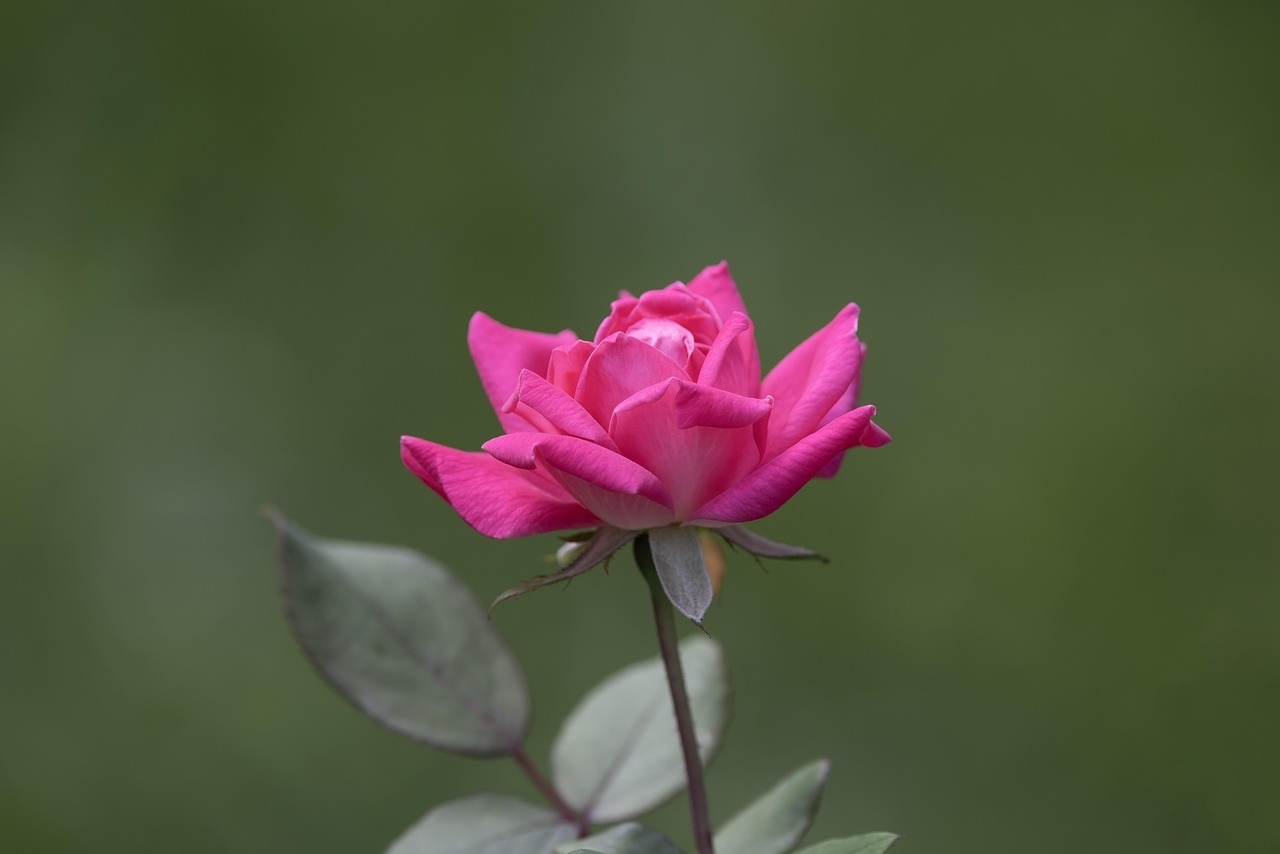
Pay attention to the flower choice. Red roses almost always mean romantic love. Sunflowers suggest warmth and admiration without the intensity of roses. Pink carnations lean toward affection and gratitude. Lavender signals enchantment — someone is genuinely captivated by you.
An Apology or Olive Branch
Sometimes flowers on a car are less about love and more about repair. If you’ve recently had a disagreement with a friend, coworker, or neighbor, those flowers might be their way of saying sorry without having to say it out loud. White tulips are a traditional symbol of forgiveness. A mixed bouquet with white and yellow blooms often signals a desire to move forward.
A Memorial or Grief Tribute
This one carries significant emotional weight. If your car is parked near a location where someone died — an accident site, a hospital, a church — flowers may have been left as part of a roadside memorial. This is especially common in the American South and Midwest, where roadside tributes are a recognized cultural practice. In these cases, the flowers aren’t meant for you specifically; your car just happened to be nearby.
A Random Act of Kindness
Not every floral gesture is personal. Community kindness campaigns, neighborhood beautification efforts, and even individual people having a great day sometimes result in strangers leaving flowers on random cars. Organizations like the Random Acts of Flowers nonprofit — which has delivered over 250,000 bouquets since 2010 — operate specifically to spread joy this way.
Flowers on Car vs. Flowers on a Doorstep: Key Differences
People sometimes confuse these two gestures, but they carry meaningfully different tones. Flowers left at your door are more personal and deliberate — the giver knows exactly where you live and chose to come to your private space. That can feel intimate, or occasionally unsettling depending on the relationship.
Flowers on your car, by contrast, are semi-public. Your car is visible in a parking lot, a street, a workplace. The gesture has a built-in buffer — the giver doesn’t need to know your home address. This makes car flowers statistically more likely to be from a coworker, classmate, or someone who sees you regularly in a shared space, rather than someone with access to your personal address.
How to Decode the Message: Practical Tips
- Check for a note. Even a small card changes everything. No note often means the giver was nervous or wanted to stay anonymous.
- Identify the flower type. Use a free app like PictureThis or PlantNet to identify unfamiliar blooms and look up their traditional symbolism.
- Consider your location. Flowers left at your workplace parking lot have a different pool of potential givers than those left outside your gym at 6 a.m.
- Think about timing. Valentine’s Day, anniversaries, and birthdays shift the probability heavily toward romantic or celebratory intent.
- Notice the condition. A freshly cut, well-arranged bouquet (typically $15–$40 from a US florist) signals real effort. Wildflowers or grocery store stems suggest a spontaneous, casual gesture.
How to Respond When You Receive Flowers on Your Car
Your response depends entirely on what — and who — you suspect is behind the gesture. If you have a strong feeling about the sender, a simple thank-you text opens the door without committing to anything. If you’re genuinely unsure, it’s completely reasonable to mention it casually in conversation: “Someone left flowers on my car today — strangest thing.”
If the gesture feels unwanted or makes you uncomfortable, you’re not obligated to respond at all. Unsolicited flowers, however well-intentioned, don’t create a social debt. Trust your instincts. If something feels off rather than sweet, take that seriously.
Frequently Asked Questions
What does it mean when someone leaves a single rose on your car?
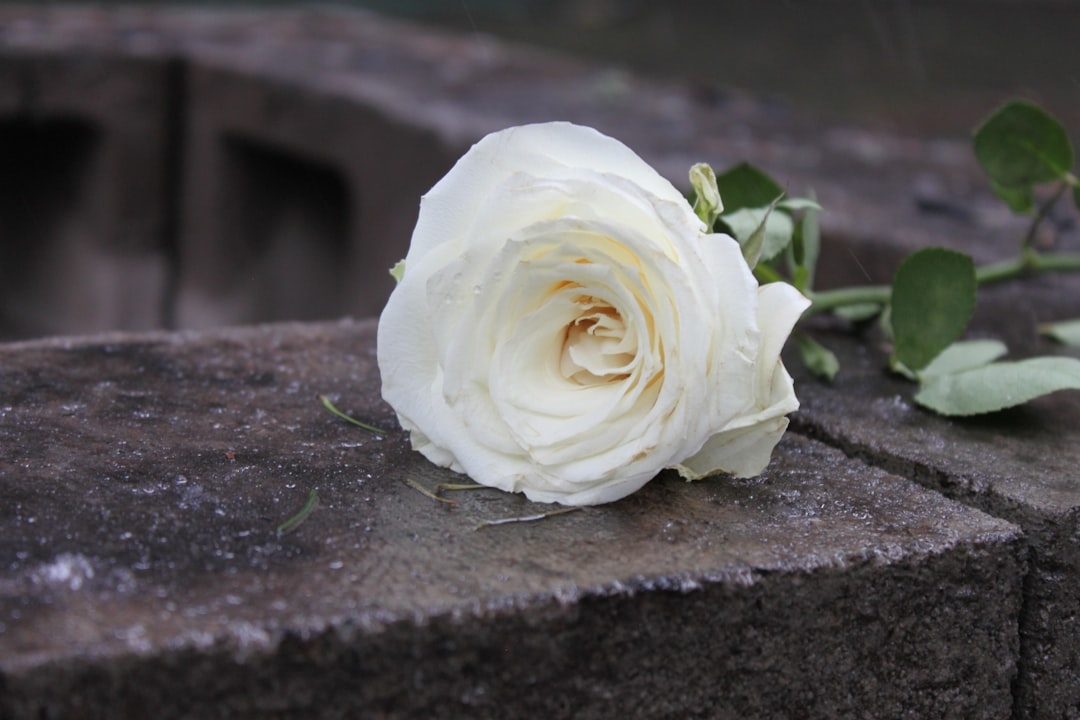
A single red rose on your car almost always signals romantic interest or admiration. It’s a classic, deliberate choice — red roses specifically represent deep affection. A single white rose can indicate sympathy or a desire for peace.
Is leaving flowers on someone’s car a good idea?
It can be a touching gesture, but context matters. If you have an established relationship or friendship, it’s likely to be received warmly. For someone you barely know, it may feel unexpected or uncomfortable. A brief note with your name removes ambiguity and tends to make the gesture land better.
What does it mean if flowers are left on a car at a cemetery or accident site?
In this context, the flowers are almost certainly part of a memorial tribute and were not intended for your car specifically. Roadside memorials are a widespread American tradition of honoring someone who died near that location.
What flowers are most commonly left as a romantic gesture?
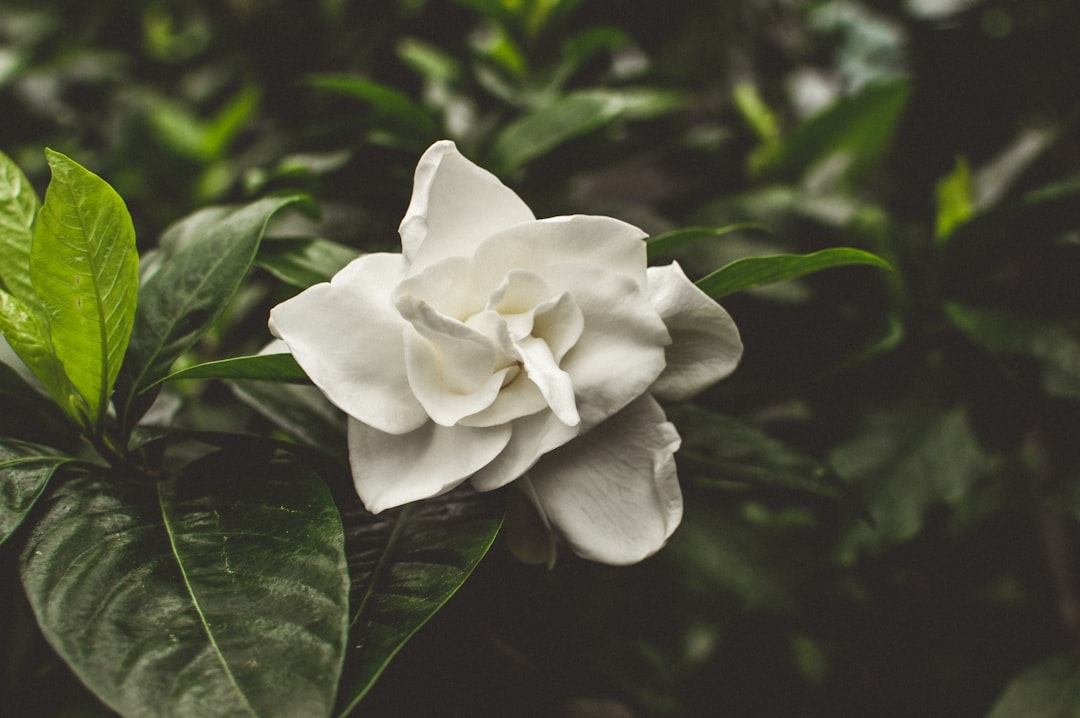
Red roses are the most traditional choice for romance. Tulips (especially red or pink), peonies, and gardenias are also popular for expressing admiration. Sunflowers are increasingly common for expressing warm, affectionate feelings without the intensity of roses.
Should I be concerned if I don’t know who left flowers on my car?
In most cases, no — anonymous flowers are almost always a positive gesture. However, if you’ve had recent conflicts with someone or if the gesture feels threatening given your circumstances, it’s reasonable to trust your instincts and, if necessary, mention it to someone you trust or review nearby security footage.
What to Do Next If You’re Still Unsure About the Flowers on Car Meaning
Start with curiosity rather than anxiety. Most people who leave flowers on cars are acting from a place of kindness, admiration, or grief — not malice. Give yourself 24 hours. Often, the sender reveals themselves naturally, because the whole point of the gesture was to create a moment of connection.
If you want to honor the gesture regardless of its source, consider pressing one of the flowers or photographing the bouquet before it wilts. Some moments deserve a small record. And if the flowers sparked something — a conversation, a reconciliation, a new connection — that’s the whole point of floriography in the first place.