Contents:
- A Flower With Deep Roots: The History of White Lilies and Death
- White Lilies Death Meaning: What They’re Actually Communicating
- Purity and the Innocence of the Soul
- Resurrection and the Promise of New Life
- Majesty and the Honor of the Deceased
- White Lilies vs. White Roses: Understanding the Difference
- Cultural and Religious Contexts That Shape the Meaning
- Christian Funerals
- Jewish Funerals
- Hindu and Buddhist Funerals
- Secular Memorials
- Practical Tips for Choosing and Sending White Lilies
- When White Lilies Are Sent to You: Receiving Their Meaning
- Frequently Asked Questions About White Lilies and Death
- What do white lilies symbolize at a funeral?
- Are white lilies appropriate for any religion’s funeral?
- What is the difference between white lilies and white roses for sympathy?
- How long do white lily funeral arrangements last?
- Can I send white lilies after the funeral, not just before?
- The Lasting Weight of a Simple White Bloom
You’re standing in a flower shop, or scrolling through an online florist at midnight, trying to find the right thing to send after someone you care about has lost someone they love. You’ve seen white lilies at nearly every funeral you’ve ever attended, but you’re not entirely sure why—or what they’re actually saying. That quiet uncertainty is more common than you’d think. The white lilies death meaning runs deep, woven through centuries of culture, religion, and human grief, and understanding it can help you give flowers that genuinely mean something.
A Flower With Deep Roots: The History of White Lilies and Death
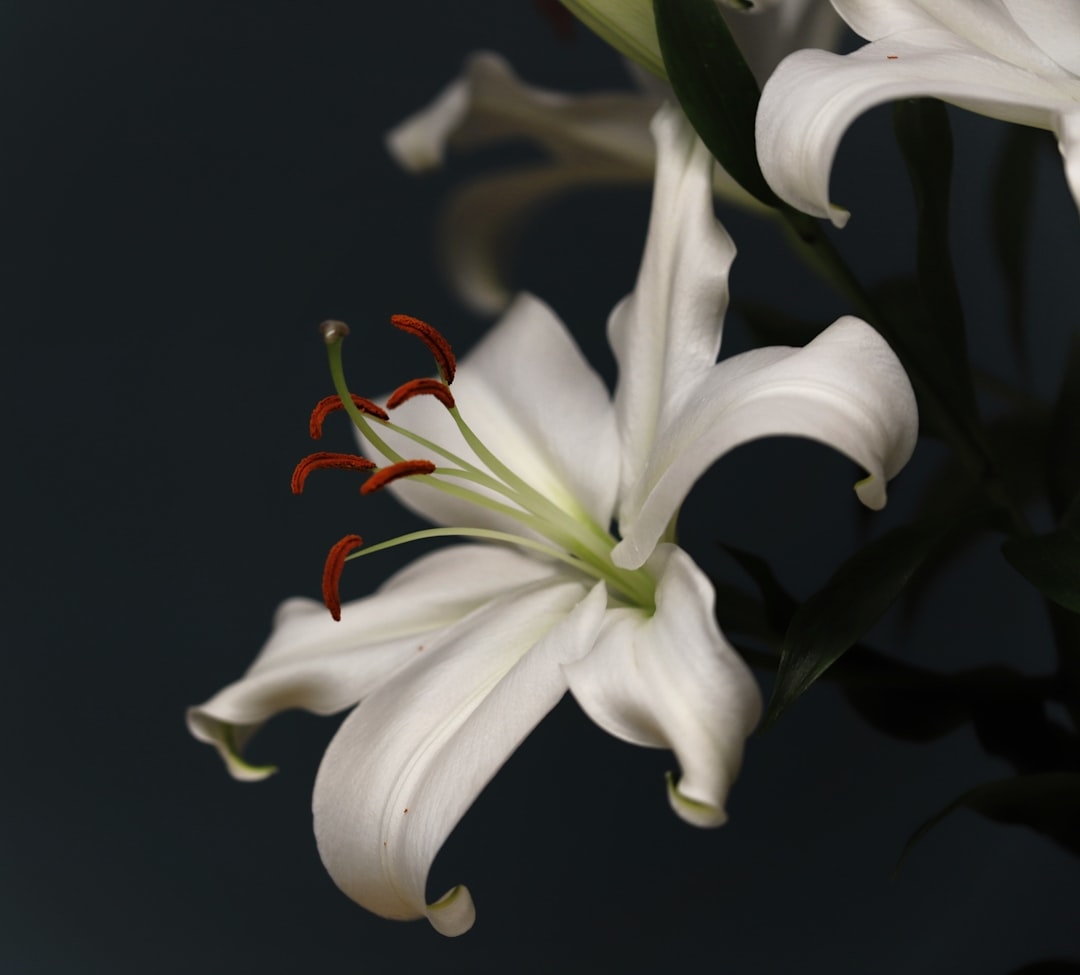
White lilies—most often the Easter lily (Lilium longiflorum) or the Stargazer’s white variant—have been associated with death, rebirth, and the afterlife for over 3,000 years. Ancient Greeks placed lilies in tombs, believing they sprang from the milk of Hera, queen of the gods. The Romans used them at funeral rites as a symbol of restored innocence for the deceased.
In Christian tradition, the white lily became synonymous with the Virgin Mary and the purity of the soul. By the Victorian era, when elaborate mourning rituals were codified into near-law, white lilies were a standard feature of funeral arrangements across England and the United States. The language of flowers—known as floriography—assigned white lilies a specific message: the soul of the departed has been restored to innocence.
That meaning stuck. Today, white lilies are the second most popular funeral flower in the US, after roses, appearing in roughly 60% of sympathy arrangements sold by major florists like 1-800-Flowers and Teleflora.
White Lilies Death Meaning: What They’re Actually Communicating
When you send or display white lilies at a funeral or memorial, you’re not just picking a pretty flower. You’re participating in a centuries-old visual language. Here’s what different aspects of the bloom actually convey:
Purity and the Innocence of the Soul
The white color is doing heavy lifting here. White has signified moral and spiritual purity across nearly every major world culture. In the context of death, it suggests that the deceased has passed into a state of peace, free from the burdens and failures of earthly life. It’s a generous, hopeful message—one that offers comfort to the bereaved.
Resurrection and the Promise of New Life
The lily’s life cycle reinforces its symbolism. The bulb lies dormant underground—effectively “dead”—then pushes upward into a spectacular bloom. It’s a natural metaphor for resurrection that predates Christianity by thousands of years. For many mourners, receiving white lilies is a quiet reminder that death may not be the final word.
Majesty and the Honor of the Deceased
Beyond spiritual meaning, white lilies also signal dignity and honor. Their tall, architectural stems—often reaching 24 to 36 inches—give arrangements a stately quality that says: this person mattered. That’s why they’re so frequently used in standing sprays and casket arrangements, where visual impact and reverence are equally important.
Professional floral designers who specialize in sympathy work often recommend ordering white lilies in bud stage rather than fully open. Buds open gradually over 3–5 days, meaning the arrangement stays fresh and evolving throughout the visitation and funeral service. Ask your florist specifically for “stage 2 buds” — tight enough to show color but beginning to open. This extends display life by up to 40% compared to arrangements made with fully open blooms.
White Lilies vs. White Roses: Understanding the Difference
This is one of the most common points of confusion when sending sympathy flowers. Both are white. Both are elegant. But they carry meaningfully different messages.
White roses are primarily associated with love, reverence, and remembrance of a relationship—they speak to the bond between the giver and the deceased, or between the deceased and their family. They’re intensely personal. White roses say: I loved this person.
White lilies, by contrast, make a statement about the deceased’s spiritual journey. They speak to who the person was and where they’ve gone, rather than your relationship to them. White lilies say: this soul was pure, and is at peace.
In practice, many sympathy arrangements blend both flowers—using lilies as the structural anchor and roses as the emotional accent. A standard 12-stem mixed arrangement from a florist typically runs $65–$120 depending on region and stem count. If you’re sending to someone you didn’t know well personally but want to honor the deceased, a lily-forward arrangement is the more appropriate choice.
Cultural and Religious Contexts That Shape the Meaning
The symbolism of white lilies isn’t universal in every tradition, and it’s worth knowing the exceptions before you send.
Christian Funerals
White lilies are almost universally appropriate and deeply appreciated. The Easter lily in particular carries explicit resurrection symbolism that resonates across Catholic, Protestant, and Orthodox Christian communities.
Jewish Funerals
Flowers at Jewish funerals are traditionally discouraged, with donations to charity preferred instead. If flowers are accepted by the family (practices vary by denomination and family preference), simple, unfragrant blooms are better choices. The strong scent of lilies can be seen as inappropriate in this context.
Hindu and Buddhist Funerals
White is indeed the color of mourning in many South and East Asian cultures, so white flowers broadly are appropriate. However, marigolds, lotuses, and chrysanthemums hold more culturally specific significance. White lilies work as a respectful gesture but may not carry the same resonance.
Secular Memorials
In non-religious services, white lilies function primarily as a symbol of beauty, dignity, and the marking of loss—stripped of their theological weight but still carrying significant emotional power.
Practical Tips for Choosing and Sending White Lilies
Symbolism matters, but so does execution. Here’s how to make sure your gesture lands the way you intend.
- Choose the right variety. Easter lilies (Lilium longiflorum) are the classic funeral choice. Casablanca lilies are a more luxurious option with larger blooms and a more intense fragrance. Avoid Stargazers (which are pink-streaked) unless specifically requested.
- Consider scent sensitivity. Lilies are powerfully fragrant—one Casablanca lily can scent an entire room. For home deliveries or small gathering spaces, opt for a smaller arrangement or ask your florist to remove the anthers (the pollen-bearing tips), which reduces both scent and the risk of staining fabric.
- Time your delivery correctly. For funeral homes, deliver arrangements 2–3 hours before the visitation begins. For home deliveries to the bereaved family, the day of the service or within 48 hours afterward is ideal.
- Budget realistically. A simple white lily bouquet starts around $35–$50. A standing spray with white lilies as the focal flower typically runs $150–$300 at most US florists. Same-day delivery through services like FTD or Teleflora adds $15–$25 in fees.
- Include a handwritten note. The flowers carry the symbolic weight, but a short, personal note—even just two sentences—transforms a beautiful gesture into a meaningful one.
When White Lilies Are Sent to You: Receiving Their Meaning
If you’re on the receiving end—grieving, and suddenly surrounded by white lilies—it can feel overwhelming to process both the loss and the flood of flowers. Here’s a reframe that many people find comforting: each arrangement of white lilies is someone saying, without adequate words, that the person you lost had dignity and worth, and that their passing matters to more people than just you.
Practically, cut stems at a 45-degree angle and place lilies in cool water away from direct sunlight. Change the water every two days. A properly cared-for lily arrangement will last 7–10 days—long enough to carry you through the immediate rawness of grief into the quieter, harder days that follow.
Frequently Asked Questions About White Lilies and Death
What do white lilies symbolize at a funeral?
White lilies at a funeral symbolize the purity and innocence of the deceased’s soul, the promise of resurrection or new life, and the dignity of the person who has passed. They are among the oldest and most universally recognized sympathy flowers in Western culture.
Are white lilies appropriate for any religion’s funeral?
White lilies are most appropriate at Christian funerals, where they carry strong resurrection symbolism. They are generally acceptable at secular and many Hindu or Buddhist services. They are less commonly sent to Jewish funerals, where floral tributes are traditionally discouraged in favor of charitable donations.
What is the difference between white lilies and white roses for sympathy?
White roses express personal love and remembrance of a relationship with the deceased. White lilies make a broader spiritual statement about the deceased’s soul and peaceful passage. Roses are more personal; lilies are more ceremonial and universal.
How long do white lily funeral arrangements last?
With proper care—stems cut at an angle, fresh cool water changed every two days, kept away from direct sunlight—white lily arrangements last 7–10 days. Ordering arrangements made with buds rather than fully open blooms extends their life by up to 40%.
Can I send white lilies after the funeral, not just before?
Absolutely, and many grief counselors actually recommend it. The days and weeks after a funeral can feel more isolating than the service itself. Sending white lilies a week or two after the funeral is a thoughtful way to say you’re still thinking of the bereaved—and the gesture often lands with more impact because it’s unexpected.
The Lasting Weight of a Simple White Bloom
White lilies have outlasted empires, theological revolutions, and every passing floral trend precisely because they communicate something humans keep needing to say in the face of death: that the person who died was worthy of honor, that their soul is at peace, and that life—somehow—continues. Understanding the white lilies death meaning doesn’t just make you a more informed flower-sender. It connects you to one of the oldest ongoing conversations in human history.
The next time you’re choosing sympathy flowers, you’ll know exactly what you’re saying when you choose white lilies—and that clarity is its own kind of gift to the people who receive them. If you’re currently navigating a loss and want help choosing the right arrangement, most local florists offer free consultations by phone. It takes five minutes and can make the difference between a generic gesture and one that truly honors the person who’s gone.