Contents:
- The History Behind Tulips as a Gift
- Tulips Gift Meaning by Color: The Definitive Guide
- Red Tulips: Romantic Love and Deep Passion
- Pink Tulips: Affection, Admiration, and New Beginnings
- Yellow Tulips: Sunshine, Joy, and Friendship
- White Tulips: Purity, Forgiveness, and New Chapters
- Purple Tulips: Royalty, Respect, and Admiration
- Orange Tulips: Energy, Enthusiasm, and Warmth
- What the Number of Tulips Means
- Reading the Context: Occasion and Relationship
- From a Romantic Partner
- From Someone Who Might Have Feelings for You
- From a Friend or Colleague
- From a Family Member
- Practical Tips for Responding When You Receive Tulips
- FAQ: Tulip Gift Meaning
- What does it mean when someone gives you red tulips?
- Are tulips appropriate for a first date?
- What does a yellow tulip mean from a guy?
- What do white tulips symbolize at a wedding?
- Can tulips be given for sympathy or funerals?
- Planning a Gift? Here’s Your Next Step
The tulips gift meaning depends on color and context. Red tulips = deep romantic love. Yellow = cheerful friendship or a fresh start. Pink = affection and admiration. Purple = royalty and respect. White = purity or an apology. A mixed bouquet usually signals celebration or warm appreciation. Keep reading for the full breakdown by occasion, number, and relationship type.
Flowers have been used as coded messages for centuries — and tulips, more than almost any other bloom, carry a meaning that shifts dramatically based on color, quantity, and who’s holding them. Someone just handed you a bouquet. Now you’re wondering what they were really trying to say.
That instinct to look deeper is worth following. Tulips are one of the most intentional gift flowers in the American market, ranking consistently in the top five most-purchased cut flowers in the US alongside roses and sunflowers. People don’t usually grab tulips by accident. Here’s exactly what they mean — and what you might want to do with that information.
The History Behind Tulips as a Gift
Tulips originated in Central Asia and were cultivated by the Ottoman Empire before exploding across Europe in the 1600s. During the Dutch Golden Age, a single rare tulip bulb could sell for more than a skilled craftsman earned in a year — a period historians call Tulipmania. That history of extraordinary value never fully left the flower’s cultural DNA.
In Victorian England, the language of flowers (floriography) formalized tulip symbolism into a near-universal code. A red tulip was an explicit declaration of love. A yellow one, during that era, actually signified hopeless love or jealousy — though that meaning has softened considerably in modern American gifting culture, where yellow now reads as sunny and celebratory.
Understanding that these meanings evolved over time matters, because it means context always wins over any single “official” definition. A tulip’s meaning is a starting point for interpretation, not a legal contract.
Tulips Gift Meaning by Color: The Definitive Guide
Color is the single biggest variable in what a tulip bouquet communicates. Here’s what each shade typically signals in a 2020s American gifting context:
Red Tulips: Romantic Love and Deep Passion
Red tulips are the romantic’s choice. Like red roses, they signal love — but tulips carry a slightly softer, more modern edge. Where red roses can feel formal or intense, red tulips say I’m in love with you without the weight of a grand gesture. They’re the bouquet a partner buys on a Tuesday just because. If someone who has romantic feelings for you gave you red tulips, consider this a declaration worth taking seriously.
Pink Tulips: Affection, Admiration, and New Beginnings
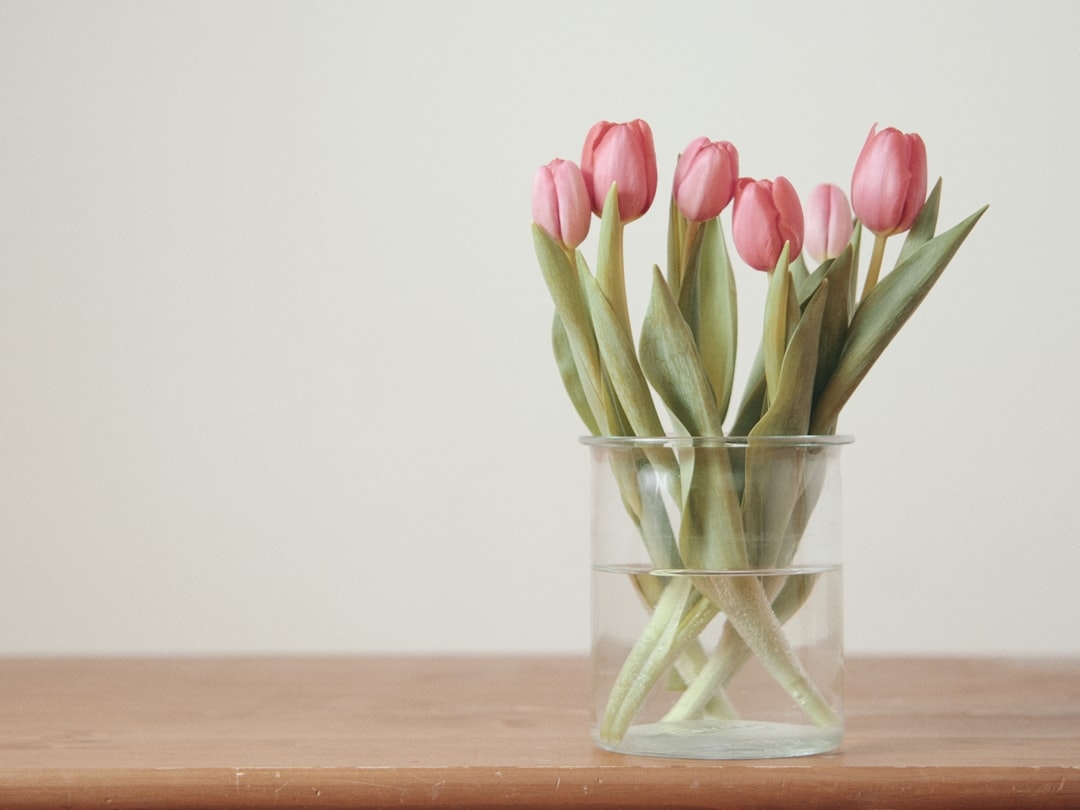
Pink tulips sit comfortably in the space between friendship and romance. Light pink signals care and admiration — appropriate from a close friend, a colleague celebrating your promotion, or someone who likes you but hasn’t said so directly. Hot pink reads as more confident and celebratory. Pink tulips are also one of the most popular choices for spring birthdays, especially for recipients in the 25–45 age range, according to florist ordering data from FTD.
Yellow Tulips: Sunshine, Joy, and Friendship
Modern yellow tulips are unambiguously cheerful. They say I’m happy you exist. This makes them ideal for get-well-soon gestures, congratulations bouquets, or a friend who just moved into a new apartment. If someone gave you yellow tulips after a rough week, they almost certainly wanted to brighten your day. Romantic overtones are minimal unless the yellow is paired with red blooms.
White Tulips: Purity, Forgiveness, and New Chapters
White tulips occupy dual territory. In celebratory contexts — weddings, baby showers, graduation — they represent new beginnings and purity of intention. In more loaded emotional moments, white tulips can function as a peace offering, a quiet apology, or a gesture of respect after conflict. If someone gave you white tulips following a disagreement, that’s worth paying attention to.
Purple Tulips: Royalty, Respect, and Admiration
Purple is historically associated with royalty and power, and purple tulips carry that energy into gifting. They say I think highly of you — making them a strong choice for mentors, bosses, or someone the giver deeply respects. Receiving purple tulips is a genuine compliment. The giver sees something exceptional in you.
Orange Tulips: Energy, Enthusiasm, and Warmth
Orange tulips are underused and underrated. They communicate enthusiasm, warmth, and a kind of bold joy. They’re often chosen by people who want to give something that feels vibrant rather than conventional. If you received orange tulips, the giver likely has a creative or adventurous streak — and they wanted the bouquet to reflect that energy.
Professional florists pay close attention to stem count when building a meaningful bouquet. In many European and Asian gifting traditions — both of which influence American floral culture — even numbers of flowers are for mourning, odd numbers are for celebration. A dozen tulips (even) can feel like a formal, structured gesture. Eleven or thirteen (odd) feels more spontaneous and heartfelt. If you’re trying to decode a bouquet, count the stems.
What the Number of Tulips Means
Quantity carries symbolism that most recipients overlook entirely. Here’s a quick breakdown of common stem counts and what they tend to signal:
- 1 tulip: A singular, pointed statement — “you are the one.” Deeply romantic when given solo.
- 3 tulips: The classic small romantic gesture. Often means “I love you” in the traditional flower language number code.
- 6 tulips: Infatuation or a desire to be with someone. Common in early-stage dating contexts.
- 10 tulips: A bouquet that says “you are perfect.” Often given on anniversaries.
- 12 tulips: A full dozen — the standard “grand gesture” bouquet, used for major romantic declarations or significant occasions.
- 25+ tulips: Celebration at scale. Common for milestone birthdays, retirements, or congratulations on major achievements.
Reading the Context: Occasion and Relationship
Meaning doesn’t live in the flower alone. The relationship between giver and recipient, and the occasion that prompted the gift, shapes everything.
From a Romantic Partner
Red or pink tulips from a partner signal love, appreciation, and attentiveness. If they chose your favorite color, that’s a detail worth noticing — it means they were paying attention. A mixed bouquet of your favorite colors without a clear pattern is often the most personal gesture of all: the giver chose what they thought you’d love, not what the color guide told them to buy.
From Someone Who Might Have Feelings for You
Single-color red or deep pink tulips from someone who isn’t yet your partner is about as clear a signal as you’ll get without a spoken declaration. Especially if they’re accompanied by a handwritten note. Florists report that handwritten note orders spike around Valentine’s Day and late spring — and tulips are the most-requested stem during the March–May tulip season in US florist shops.
From a Friend or Colleague
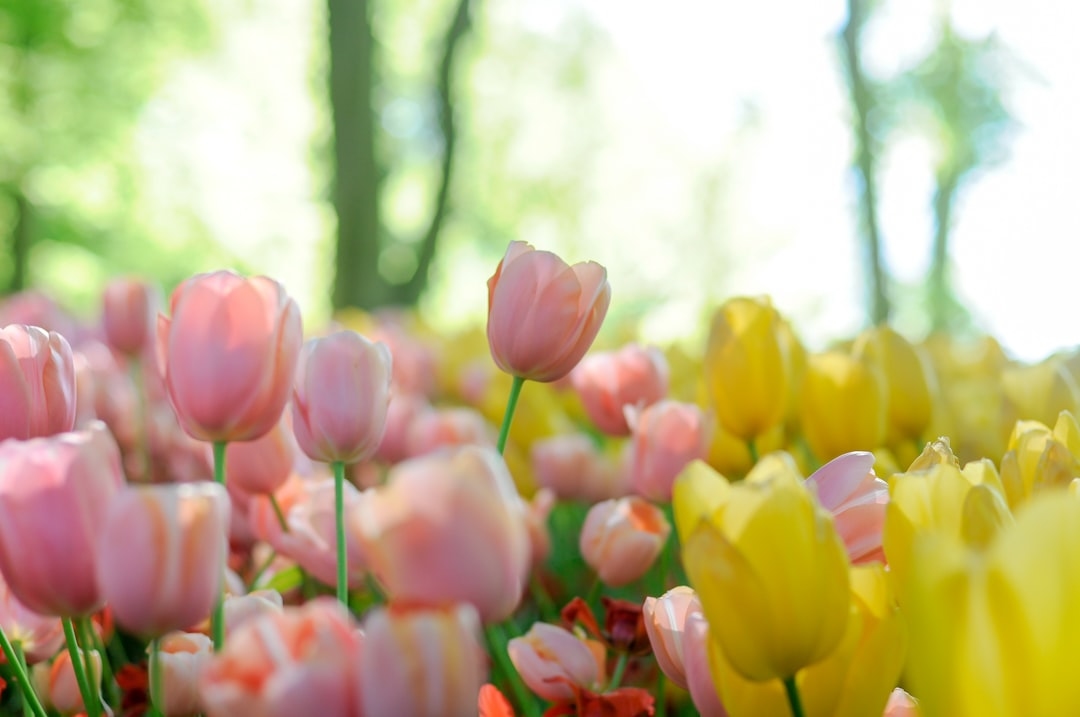
Yellow, orange, or mixed pastel bouquets from a platonic relationship almost always signal celebration, gratitude, or care. Don’t read romantic meaning into a cheerful spring bouquet from your work friend — they probably just wanted to mark the moment.
From a Family Member
Family-given tulips are almost universally about celebration or encouragement. White tulips from a parent at graduation, pink tulips for a birthday, mixed colors from a sibling “just because” — these are warmth made tangible.
Practical Tips for Responding When You Receive Tulips
What you do after receiving a tulip bouquet matters as much as what the gift meant. Here are concrete, situation-specific responses:
- Acknowledge the color specifically. “I love that you chose yellow — it made my whole day” lands far better than a generic thank you. It tells the giver you noticed what they chose.
- Put them in water within two hours. Fresh-cut tulips last 7–10 days with proper care: recut stems at a 45-degree angle, use cool water (not room temperature), and keep them away from direct sunlight and fruit bowls. Ethylene gas from ripening fruit wilts tulips faster than anything.
- Match your response to the gesture’s weight. A single red tulip warrants a different response than a cheerful yellow bunch from a coworker. Read the room, then respond accordingly.
- If the meaning is ambiguous, ask. “I love these — what made you choose tulips?” is a completely natural question that opens conversation without forcing interpretation.
FAQ: Tulip Gift Meaning
What does it mean when someone gives you red tulips?
Red tulips are a symbol of deep romantic love. Giving red tulips to someone typically signals that the giver has strong feelings for them. It’s a direct but elegant romantic gesture, especially when given as a single stem or in a bouquet of a dozen.
Are tulips appropriate for a first date?
Yes — tulips are one of the best first-date flowers precisely because they’re romantic without being as heavy as red roses. A small bouquet of 3–5 pink or peach tulips signals genuine interest and thoughtfulness without overwhelming the moment.
What does a yellow tulip mean from a guy?
In modern American gifting culture, yellow tulips from a man most commonly signal friendship, joy, or a desire to cheer someone up. Romantic intent is unlikely unless yellow tulips accompany a clearly romantic context, like a Valentine’s Day date or a note expressing feelings.
What do white tulips symbolize at a wedding?
White tulips at weddings represent purity, new beginnings, and the clean slate of a new marriage. They’re popular in minimalist and spring wedding arrangements and pair beautifully with greenery or soft pink accents. White tulips typically cost $1.50–$3.00 per stem at US wholesale, making them a budget-friendly choice for large wedding florals.
Can tulips be given for sympathy or funerals?
White and purple tulips are appropriate for sympathy arrangements. White signals respect and peaceful transition; purple conveys deep admiration for the person who passed. Avoid red tulips in sympathy contexts, as their romantic connotation can feel misplaced in grief settings.
Planning a Gift? Here’s Your Next Step
Now that you understand what tulips communicate — by color, by count, and by context — you’re equipped to both interpret a bouquet you’ve received and design one that says exactly what you mean. The gap between a forgettable flower gift and a genuinely memorable one is almost always specificity: the right color for the right person on the right day.
If you’re planning a spring event and want tulips to do some emotional heavy lifting, talk to your florist about what you’re trying to communicate before you decide on a color palette. A good florist can work backward from the message to the bloom — which is, honestly, the most elegant way to give flowers.