Contents:
- The History Behind Forget-Me-Nots
- The Core Forget-Me-Nots Meaning: What the Giver Is Really Saying
- Color Variations and What They Add
- Regional Differences: How Americans Give Forget-Me-Nots
- Practical Tips: What to Do With Forget-Me-Nots You’ve Received
- If They’re Cut Flowers
- If They’re a Living Plant
- Quick Cost Breakdown
- FAQ: Forget-Me-Nots Meaning and Symbolism
- What does it mean when someone gives you forget-me-nots?
- Are forget-me-nots only for romantic relationships?
- What is the forget-me-nots meaning in terms of color?
- Is it appropriate to give forget-me-nots at a funeral?
- How long do cut forget-me-nots last in a vase?
- How to Respond to a Forget-Me-Not Gift
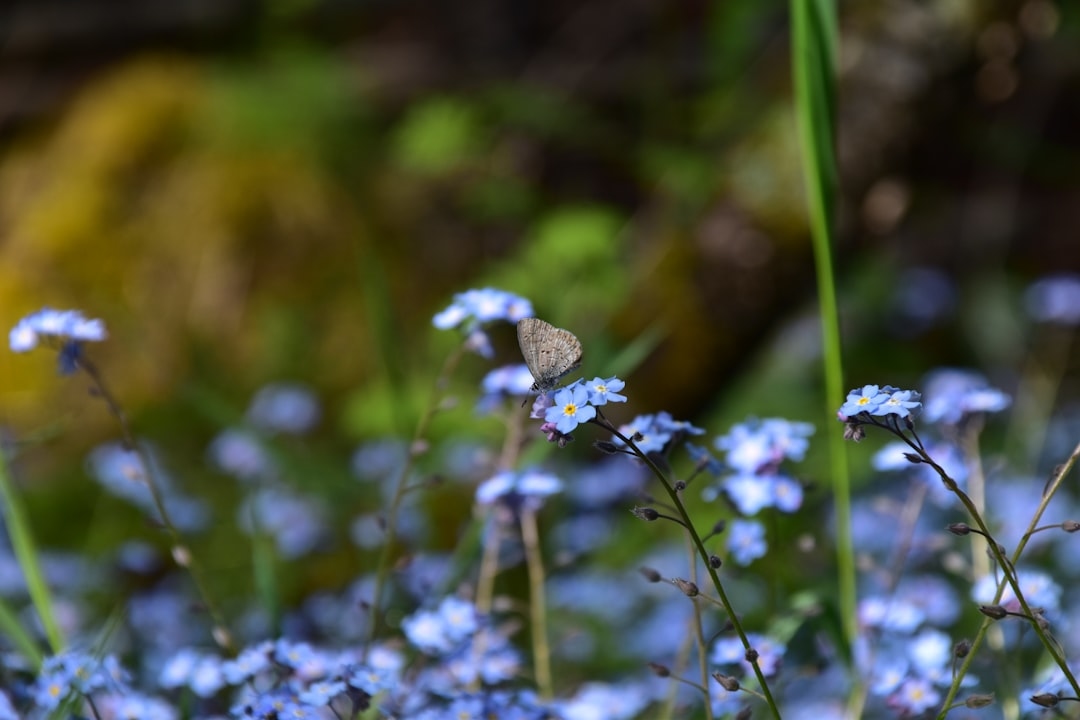
Picture a tiny cluster of sky-blue flowers with bright yellow centers, no bigger than a shirt button, resting in someone’s outstretched hand. They smell faintly of fresh earth and spring rain. They look almost too delicate to be real. And yet, the person handing them to you chose these specific blooms — out of every flower at the market or in the garden — to give to you. That’s not an accident. Forget-me-nots carry one of the oldest and most layered meanings in the flower world, and understanding the forget-me-nots meaning can completely change how you receive this quiet, beautiful gift.
The History Behind Forget-Me-Nots
These flowers have been sending messages for centuries. The most famous origin story comes from medieval Germany, where a knight picking flowers along a riverbank fell into the current. As he was swept away, he threw the blooms to his beloved on the shore and called out “Vergiss mein nicht!” — forget me not. The name stuck, and so did the sentiment.
By the 15th century, forget-me-nots had become symbols of faithful love and enduring memory across Europe. Henry IV of England wore them as an emblem during his exile. Victorian-era lovers pressed them into letters. Soldiers carried them into battle. The flower’s association with remembrance runs so deep that it became the official symbol of Alzheimer’s awareness in the United States — a small blue bloom standing in for the fear of being forgotten.
Botanically, the most common species is Myosotis sylvatica, which translates to “mouse’s ear” — a nod to the soft, fuzzy texture of its leaves. It grows wild across North America, blooms prolifically in spring, and self-seeds so readily that once you plant it, it tends to come back year after year. There’s poetry in that persistence.
The Core Forget-Me-Nots Meaning: What the Giver Is Really Saying
Receiving forget-me-nots is almost never a casual gesture. Unlike a generic bouquet of mixed supermarket flowers, this is a deliberate choice. Here’s what the giver is most likely communicating:
- Faithful love and loyalty. If a romantic partner gives you these, they’re pledging constancy. It’s a flower that says “I’m not going anywhere.”
- Deep friendship. Not all forget-me-nots are romantic. Between close friends — especially when someone is moving away or going through a major life change — they mean “you matter to me, and I will not forget you.”
- Remembrance and grief. At memorials, funerals, or on anniversaries of loss, these flowers honor someone who has died. They’re a way of saying “we still think of them.”
- New beginnings with a promise. Some people give forget-me-nots at graduations or before long separations — a way of anchoring a relationship before distance tests it.
The context matters enormously. A forget-me-not from a grieving parent means something entirely different from one tucked inside a birthday card. Pay attention to when and how they were given.
Color Variations and What They Add
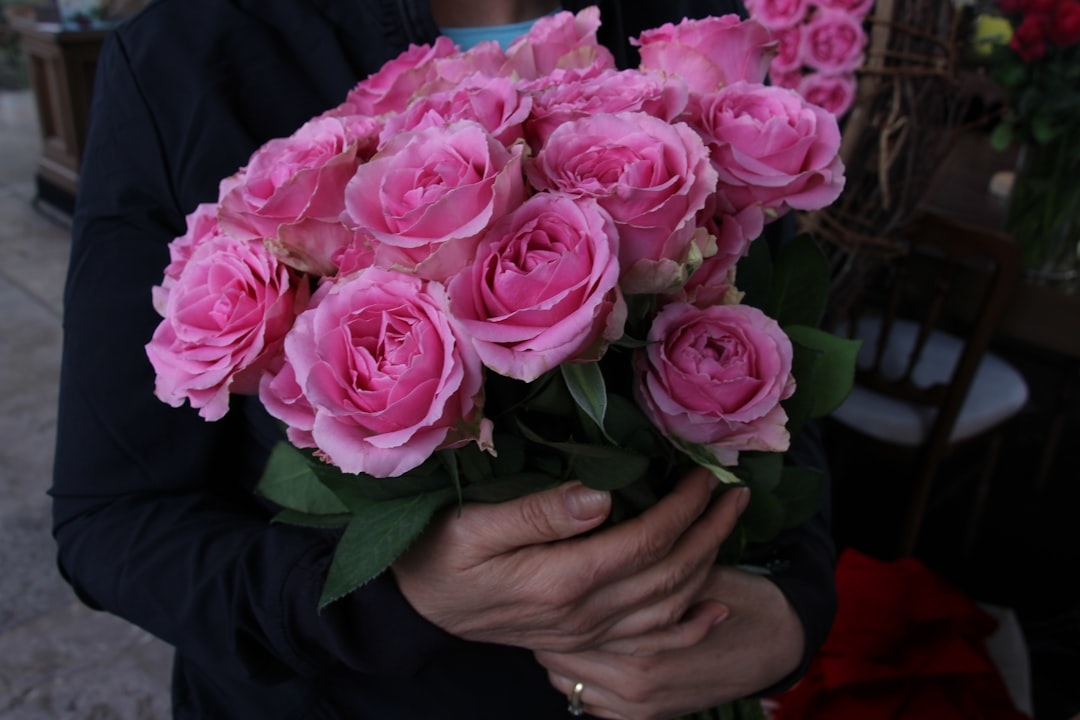
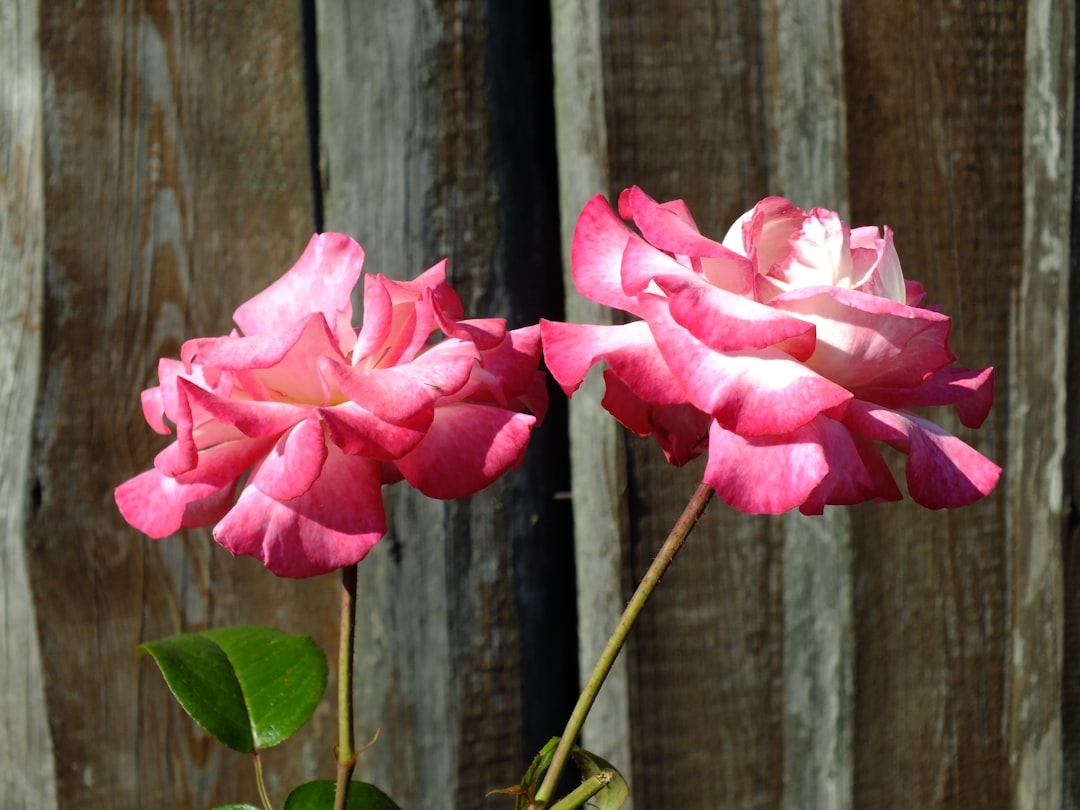
The classic color is that unmistakable cornflower blue, but forget-me-nots also come in pale pink and white. Pink varieties are sometimes associated with young love or gentle affection — a softer, less intense version of the blue’s steadfast devotion. White forget-me-nots lean toward purity and spiritual remembrance. If someone hands you a pink or white bunch, the core message is the same, but the emotional register is slightly lighter.
Regional Differences: How Americans Give Forget-Me-Nots
Flower-giving customs aren’t uniform across the US. In the Northeast — particularly in New England — forget-me-nots are strongly associated with spring gardens and sentimental gifts between longtime friends and family. It’s common to see them at retirement parties and milestone birthday gatherings in this region.
In the South, where gardening culture is deeply tied to heritage and place, forget-me-nots are often passed along as living plants rather than cut flowers — a pot of them given to a neighbor or tucked into a farewell gift basket. The gesture emphasizes roots and continuation rather than a single poignant moment.
On the West Coast, particularly in Northern California and the Pacific Northwest where wildflower aesthetics are popular, forget-me-nots appear frequently in loose, unstructured bouquets alongside lavender and yarrow. Here they tend to signal environmental mindfulness as much as sentimentality — many West Coast gardeners grow them specifically to support pollinators in early spring.
Practical Tips: What to Do With Forget-Me-Nots You’ve Received
So someone handed you a bunch of these tiny blooms. Now what?
If They’re Cut Flowers
Trim about half an inch off the stems at a diagonal and place them in cool, clean water immediately. Change the water every two days. Cut forget-me-nots typically last 5 to 7 days in a vase — shorter than roses, but their charm doesn’t diminish quickly. Keep them out of direct sunlight and away from fruit bowls, which release ethylene gas and shorten the life of cut flowers.
If They’re a Living Plant
You’re in luck. Myosotis sylvatica thrives in USDA Hardiness Zones 3–8 and prefers partial shade with consistently moist soil. Plant it in a spot that gets morning sun and afternoon shade. It blooms from March through June, then sets seed and dies back — but those seeds will produce new plants the following spring. Essentially, a gift of a forget-me-not plant is a gift that keeps returning.
Quick Cost Breakdown
If you’re thinking of giving forget-me-nots in return, here’s what to expect to spend:
- Farmers market or florist bunch: $6–$12 for a small mixed bunch that includes forget-me-nots
- Dedicated forget-me-not bouquet (specialty florist): $15–$25
- Living plant (4-inch pot, garden center): $4–$8
- Seed packet (grow your own): $2–$5 for 200–500 seeds
These are among the most affordable meaningful flowers you can give or receive. Their value is entirely symbolic — and that’s exactly the point.
🌿 What the Pros Know
Experienced floral designers often use forget-me-nots as “filler” flowers in arrangements — but don’t be fooled by that label. A skilled florist will tell you that forget-me-nots create a haze of color that makes every other bloom in a bouquet look more intentional. Ask a florist to add them to a custom arrangement for someone going through a hard time. The recipient probably won’t know the flower by name, but the effect — soft, hopeful, enduring — will land exactly right.
FAQ: Forget-Me-Nots Meaning and Symbolism
What does it mean when someone gives you forget-me-nots?
It typically means the giver wants you to know you are remembered and cherished. Depending on context, it can signal faithful love, deep friendship, or a promise to stay connected across distance or time.
Are forget-me-nots only for romantic relationships?
No. While they are associated with romantic loyalty, forget-me-nots are equally common in friendships, family relationships, and grief contexts. They are a frequent choice for farewell gifts, memorials, and milestone celebrations like graduations.
What is the forget-me-nots meaning in terms of color?
Blue forget-me-nots represent steadfast love and faithful memory. Pink varieties suggest gentle affection or young love. White forget-me-nots are associated with purity and spiritual remembrance.
Is it appropriate to give forget-me-nots at a funeral?
Yes, absolutely. Forget-me-nots are one of the most appropriate flowers for memorial services and funerals because their core symbolism is about honoring and preserving memory. They are widely used in Alzheimer’s awareness contexts for exactly this reason.
How long do cut forget-me-nots last in a vase?
Cut forget-me-nots last approximately 5 to 7 days with proper care — fresh water every two days, trimmed stems, and a cool location away from direct sun and ripening fruit.
How to Respond to a Forget-Me-Not Gift
You don’t need to say something profound. In fact, the simplest response often honors the gesture most. Acknowledge the thoughtfulness directly — “I didn’t know the story behind these, and now I do” is a genuinely meaningful reply. If the gift came during a hard time, consider pressing one of the flowers between the pages of a book you love. If it came from someone who’s moving away, plant the seeds in your garden and send them a photo when they bloom next spring. The flower does the emotional heavy lifting. You just have to let it.