Contents:
- A Brief History: Why Carnations Carry So Much Meaning
- Carnations Gift Meaning by Color: The Complete Breakdown
- Red Carnations: Passionate Love and Deep Admiration
- Pink Carnations: Gratitude, Motherly Love, and “I’ll Never Forget You”
- White Carnations: Luck, Purity, and New Beginnings
- Purple and Lavender Carnations: Capriciousness and Whimsy
- Yellow Carnations: The One to Know About
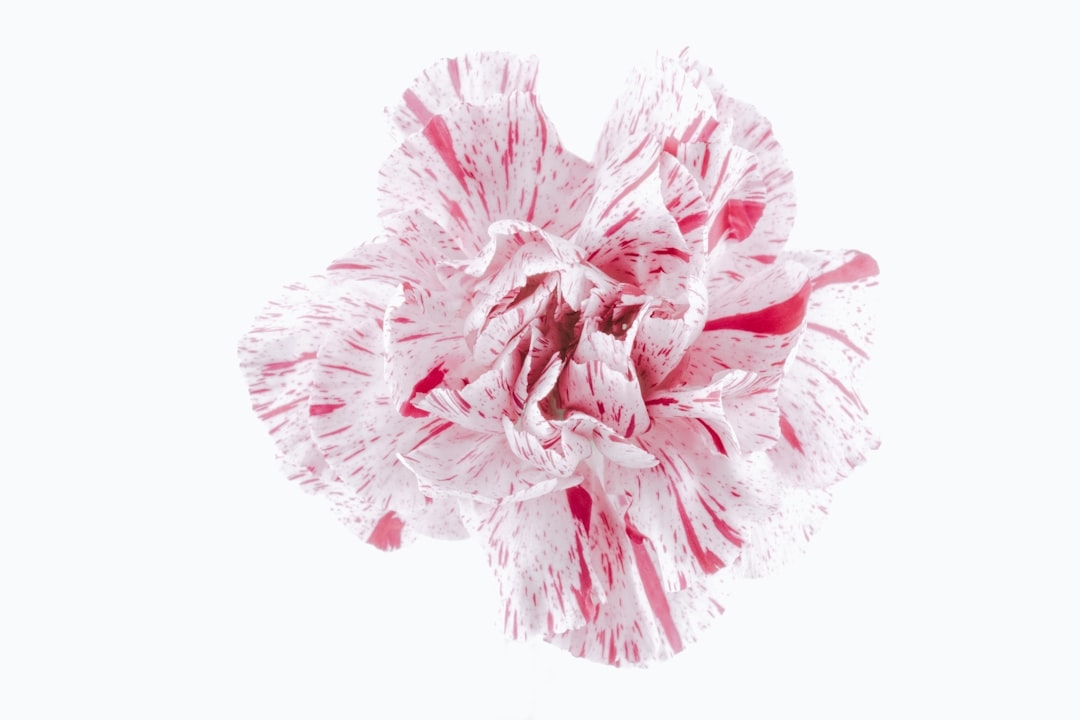
- Striped Carnations: A Soft “No Thank You”
- What the Occasion Tells You About Carnations Gift Meaning
- How to Care for Carnations After Receiving Them
- An Eco-Friendly Note on Receiving Carnations
- Practical Tips: How to Respond When Someone Gives You Carnations
- FAQ: Carnations Gift Meaning
- What does it mean when someone gives you red carnations?
- Are carnations a romantic flower?
- What do pink carnations mean as a gift?
- What does it mean when someone gives you white carnations?
- Is it bad to receive yellow carnations?
You’re standing at your front door holding a bouquet someone just handed you. The flowers are ruffled, layered, faintly sweet-smelling — carnations. And your first thought isn’t “how lovely.” It’s “wait, what does this actually mean?” That question has been asked for over 2,000 years, and the answer is richer than most people expect.
Carnations gift meaning goes far deeper than a simple “I care about you.” These flowers carry centuries of coded language, religious symbolism, and cultural weight that most of us never learned because, honestly, nobody tells you this stuff. Until now.
A Brief History: Why Carnations Carry So Much Meaning
Carnations — Dianthus caryophyllus — have been cultivated for at least 2,000 years. The Greek botanist Theophrastus documented them in the 3rd century BCE, and their Latin name translates roughly to “flower of the gods.” That’s not a small origin story.
In Christian tradition, carnations are said to have first bloomed where the Virgin Mary’s tears fell as she watched Jesus carry the cross. This is why pink carnations became so strongly associated with motherly love — a connection that eventually gave us Mother’s Day carnation customs. Anna Jarvis, the woman who founded Mother’s Day in the US in 1908, chose the white carnation as the holiday’s official flower specifically because her own mother had loved them.
During the late 19th and early 20th centuries, carnations became a recognized symbol in labor movements (red carnations), political parties across Europe, and even LGBTQ+ culture in Oscar Wilde’s era, when a green carnation in a lapel was a discreet signal of identity. These flowers have always been doing quiet, important work.
Carnations Gift Meaning by Color: The Complete Breakdown
Color is everything with carnations. A florist who specializes in occasion flowers will tell you that carnation color choices are made more deliberately than with almost any other bloom. Here’s what each shade communicates.
Red Carnations: Passionate Love and Deep Admiration
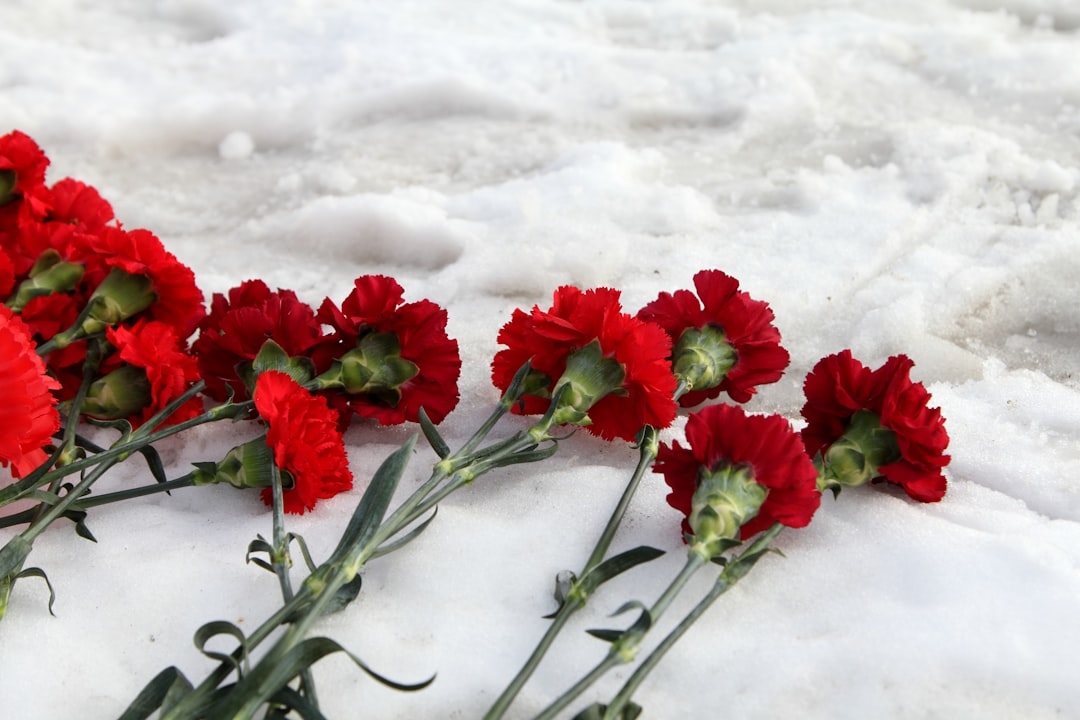
Red carnations mean deep love, admiration, and respect. Unlike red roses, which lean heavily romantic, red carnations carry an additional note of sincere affection — making them appropriate for romantic partners, but also for people you deeply respect, like a mentor or a parent. If someone gives you a red carnation bouquet, they are not being casual. This is a considered, emotionally intentional gift.
Pink Carnations: Gratitude, Motherly Love, and “I’ll Never Forget You”
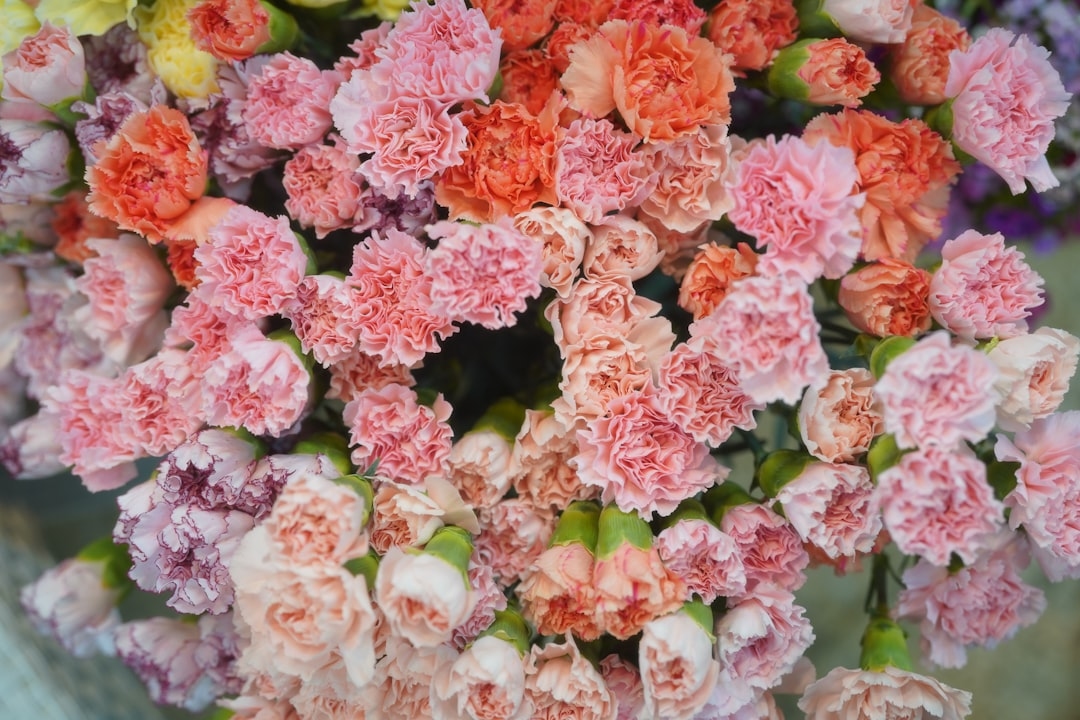
Pink is the most emotionally layered color in carnation symbolism. Light pink carnations express gratitude and the idea that someone is unforgettable. Darker pink shades specifically represent a mother’s love — an association so embedded in American flower culture that carnations are the single best-selling flower for Mother’s Day in the US, outpacing even roses in some years. If you receive pink carnations, someone is telling you that you matter to them in a lasting, not-just-for-today kind of way.
White Carnations: Luck, Purity, and New Beginnings
White carnations are given at graduations, new jobs, and fresh starts because they symbolize good luck and pure intentions. In some East Asian cultures — particularly in South Korea and Japan — white carnations are associated with mourning, so context matters. But in the US gifting context, a white carnation almost always signals a well-wish for something new in your life.
Purple and Lavender Carnations: Capriciousness and Whimsy
Purple carnations are the wildcard. They traditionally represent capriciousness — a light-hearted unpredictability. They’re popular in artistic and creative circles and make an excellent gift for someone who doesn’t fit neatly into categories. Receiving purple carnations suggests the giver sees something uniquely interesting in you.
Yellow Carnations: The One to Know About
Yellow carnations are the rare cautionary note in carnation symbolism. Traditionally, they represent disappointment, rejection, or disdain. In practice, most people giving yellow carnations today have no idea about this history — they simply like the color. If someone close to you who knows flowers gives you yellow carnations in an otherwise tense context, it might be worth a gentle conversation. If they’re from a grocery store bouquet mixed with other colors, it’s almost certainly just aesthetic.
Striped Carnations: A Soft “No Thank You”
Striped carnations historically meant “I’m sorry, I can’t be with you” — a refusal, but a gentle one. Again, most modern gift-givers are unaware of this, so don’t panic if someone shows up with a striped arrangement from Trader Joe’s.
What the Occasion Tells You About Carnations Gift Meaning
The occasion matters as much as the color. Here’s how to read the context:
- Mother’s Day: Pink or red carnations are the classic choice — a deeply loving, traditional gesture.
- Graduation or new job: White carnations signal that the giver is genuinely rooting for your next chapter.
- Valentine’s Day: Red carnations here mean the same thing red roses do, but they’re often a more thoughtful choice — carnations last 2 to 3 weeks in a vase compared to roses’ 7 to 10 days, so in a sense, the love is literally longer-lasting.
- Sympathy: White carnations are common in sympathy arrangements in the US — they express pure, quiet respect.
- Friendship: Mixed pink and white arrangements are a popular friend-to-friend gift, especially for birthdays.
How to Care for Carnations After Receiving Them
Knowing what the flowers mean is one thing. Making them last is another. Carnations are genuinely one of the longest-lasting cut flowers available — with proper care, a fresh-cut carnation will stay beautiful for 14 to 21 days.
- Cut the stems at a 45-degree angle — about half an inch up — immediately before placing them in water. This maximizes surface area for water absorption.
- Use cool water with the flower food packet included in most florist arrangements. The packet contains sugar (for energy), an acidifier (to improve water uptake), and a biocide (to prevent bacterial growth).
- Keep them away from direct sunlight and fruit. Ethylene gas released by ripening fruit — especially apples and bananas — accelerates carnation wilting significantly. Even sitting near a fruit bowl can shorten their life by several days.
- Change the water every two days and re-cut the stems each time.
An Eco-Friendly Note on Receiving Carnations
If you love flowers and care about where they come from, carnations are actually one of the more sustainable choices in commercial floriculture. They’re among the most efficiently grown cut flowers — requiring less water per stem than roses and peonies, and they thrive in controlled greenhouse environments that reduce pesticide use compared to field-grown varieties.
When buying carnations to reciprocate a gift or for your own arrangements, look for the Rainforest Alliance or Fair Trade certification on bouquets. These labels indicate that the farm — most US carnations are grown in Colombia and Ecuador — meets environmental and worker welfare standards. Several US-based online florists, including The Bouqs Co. and Farmgirl Flowers, source carnations from certified sustainable farms and will note this clearly on product pages. Domestically grown carnations are also available from California and Colorado farms, typically from May through October.
Practical Tips: How to Respond When Someone Gives You Carnations
Not sure what to say when you receive them? Here are three simple, genuine responses that match the moment:
- For a romantic gesture: acknowledge the specific color. “I love that you chose red — these are going on my desk where I’ll see them every morning.”
- For a friendship or gratitude gift: “These are going to last forever — I always forget how beautiful carnations are.”
- For a sympathy arrangement: a simple “Thank you for thinking of me” is always enough. You don’t need to interpret the symbolism out loud.
And if you’re ever buying carnations for someone else? A single-color bouquet of 12 stems typically runs between $18 and $35 from a florist, and $8 to $15 from a grocery store. The price difference usually reflects freshness and how many days the flowers have already been in transit.
FAQ: Carnations Gift Meaning
What does it mean when someone gives you red carnations?
Red carnations symbolize deep love, admiration, and sincere affection. They’re appropriate for romantic partners as well as people you deeply respect, like a parent or mentor. Receiving red carnations means the giver feels strongly and positively about you.
Are carnations a romantic flower?
Yes, especially in red and dark pink. Carnations have been used as romantic gifts since ancient Greece. They’re considered a thoughtful alternative to roses because they last significantly longer — up to three weeks with proper care — and carry specific emotional meanings by color.
What do pink carnations mean as a gift?
Pink carnations represent gratitude, undying love, and the idea that someone is unforgettable. Light pink expresses general appreciation and fondness. Dark pink specifically symbolizes a mother’s love, which is why they’re the traditional Mother’s Day flower in the United States.
What does it mean when someone gives you white carnations?
In the US gifting context, white carnations symbolize good luck, purity, and new beginnings. They’re commonly given at graduations, new jobs, and milestones. In some East Asian cultures, white carnations are associated with mourning, but this meaning is not standard in American flower tradition.
Is it bad to receive yellow carnations?
Traditionally, yellow carnations symbolize disappointment or rejection. However, most people giving yellow carnations today are unaware of this history and simply like the color. If the yellow flowers appear in a casual or mixed bouquet, there’s almost certainly no negative message intended. Context and the relationship always matter more than a single color’s historical symbolism.
Now that you know what’s actually being said when someone hands you a stem, you’ll never look at a carnation the same way. And next time you want to say something meaningful — whether it’s deep love, quiet gratitude, or “I’m rooting for you” — you know exactly which color to reach for.