Contents:
- Why Funeral Flower Symbolism Still Matters
- The Most Common Funeral Flowers and Their Meanings
- Lilies: Purity and the Restored Soul
- Roses: Love Differentiated by Color
- Chrysanthemums: Loyalty and Longevity
- Carnations: Enduring Love
- Gladioli: Strength and Character
- What Funeral Flower Colors Communicate
- Funeral Flower Arrangements: Choosing the Right Form
- Religious and Cultural Considerations
- Common Mistakes to Avoid
- Practical Tips for Ordering Funeral Flowers
- Frequently Asked Questions About Funeral Flowers Meaning
- What flowers are most appropriate for a funeral?
- What does it mean when someone sends yellow flowers to a funeral?
- Are there flowers you should avoid sending to a funeral?
- What is the symbolic meaning of white lilies at a funeral?
- Can I send flowers to a Jewish funeral?
- Making Your Choice Count
The funeral flowers meaning we recognize today has roots stretching back to ancient Rome, where mourners placed garlands of rosemary on the deceased to symbolize remembrance. Victorian England formalized this language further, publishing floral dictionaries—called “florographies”—that assigned precise emotional meanings to over 700 plants. That tradition isn’t just historical curiosity. It shapes the arrangements you see at funeral homes across the United States every single day.
Flowers do something words often can’t: they communicate grief, love, and hope simultaneously. Knowing what each bloom conveys helps you make a deliberate, meaningful choice rather than defaulting to whatever the florist has in stock.
Why Funeral Flower Symbolism Still Matters
Modern American funerals spend an average of $300–$700 on floral arrangements, according to the National Funeral Directors Association. That’s a significant investment. Understanding the symbolism behind each flower ensures that investment carries real emotional weight rather than being a reflexive purchase.
Flowers also serve a practical psychological function. Research in environmental psychology consistently shows that natural elements—especially flowers—measurably reduce cortisol levels in high-stress settings. A funeral is precisely that kind of setting. The right arrangement isn’t decoration. It’s an act of emotional care.
The Most Common Funeral Flowers and Their Meanings
Lilies: Purity and the Restored Soul
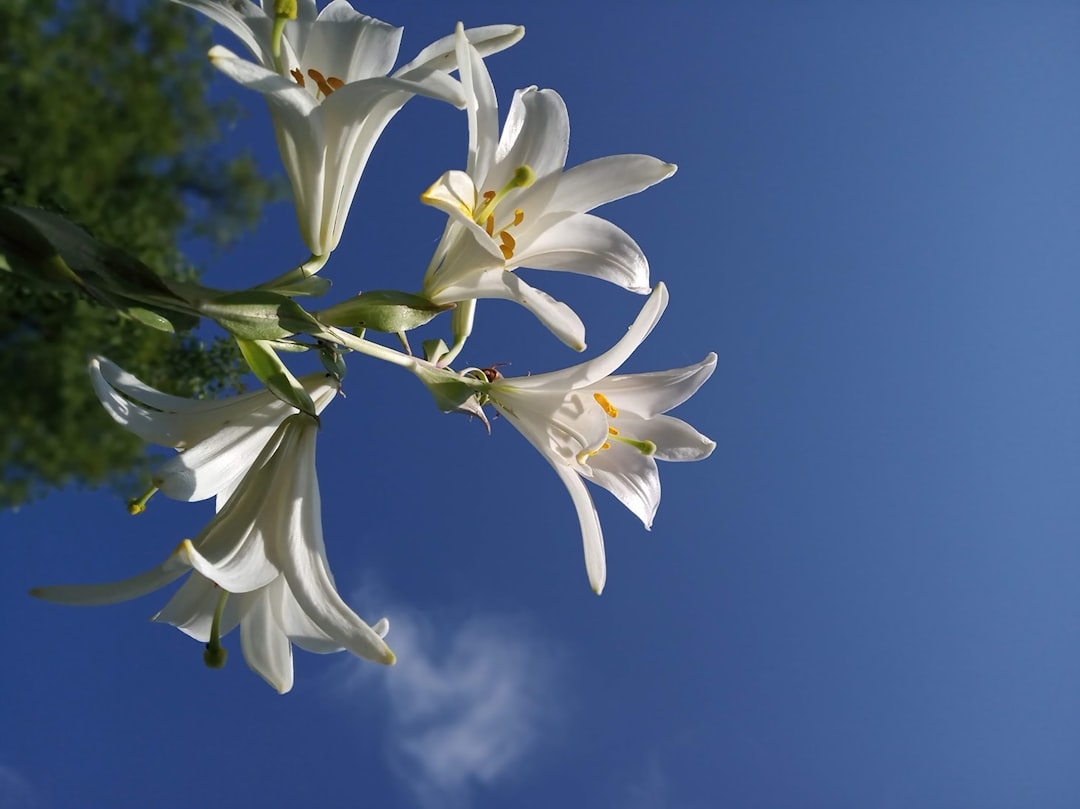
White stargazer and Easter lilies are the most frequently chosen funeral flowers in the US, and for good reason. They carry a layered symbolism: innocence, purity, and the belief that the soul of the deceased has been restored to a state of peace. Their strong, sweet fragrance also serves a practical historical purpose—before refrigeration, heavily scented flowers were used to mask odors at wakes. Today, that scent signals solemnity and reverence.
Roses: Love Differentiated by Color
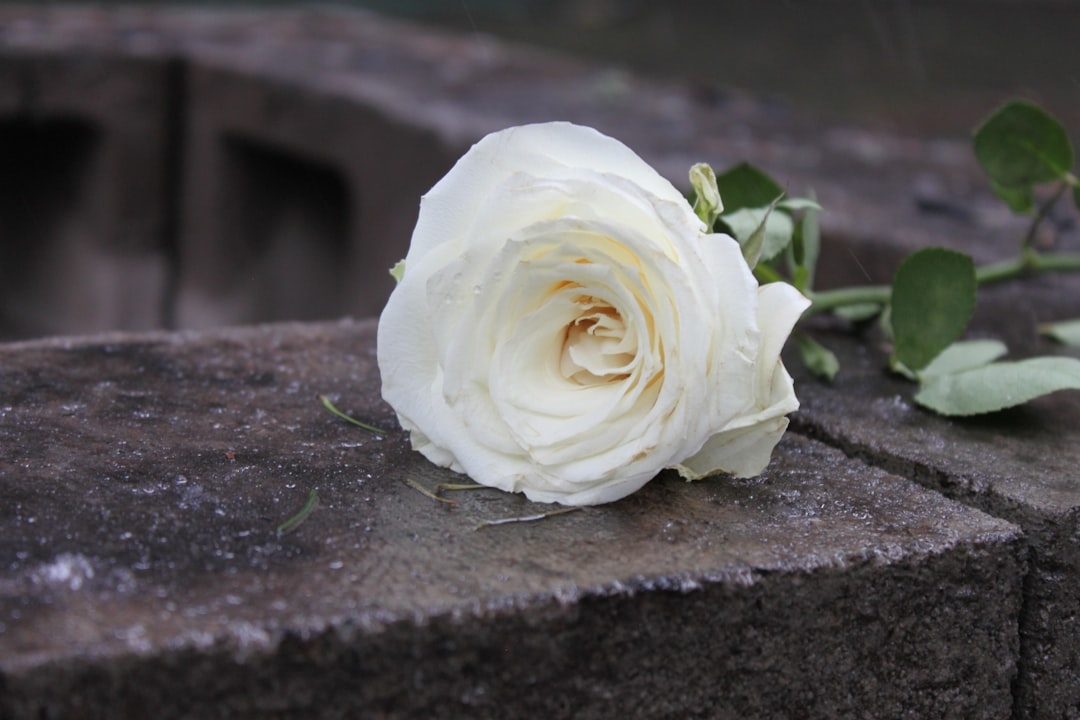
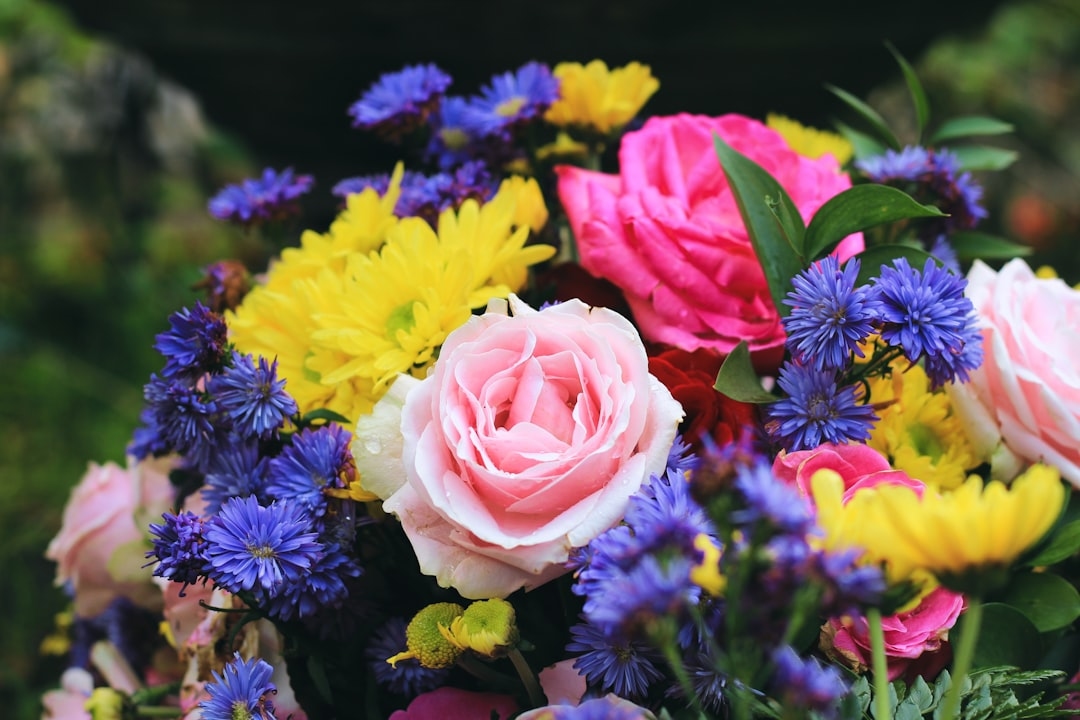
A rose at a funeral isn’t a single message—it depends entirely on color. Red roses express deep love and grief. White roses communicate reverence and purity, making them appropriate for a child’s funeral or the death of someone known for their gentleness. Yellow roses, more common in Southern US funerals, convey friendship and warmth. Pink roses are often chosen for mothers or grandmothers, suggesting admiration and grace.
Chrysanthemums: Loyalty and Longevity
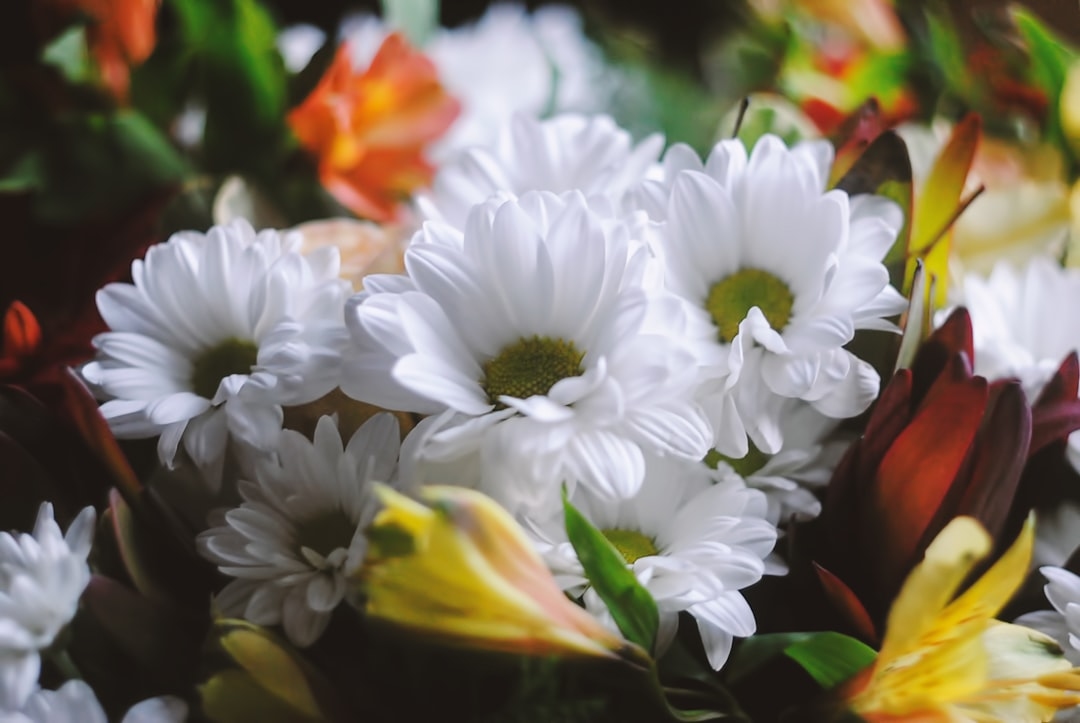
In the US, white chrysanthemums (“mums”) are a staple of sympathy arrangements. They represent loyalty, longevity, and grief. Interestingly, in many European and East Asian countries, chrysanthemums are exclusively associated with funerals and death—so if you’re sending flowers internationally, this is worth knowing before you place an order.
Carnations: Enduring Love
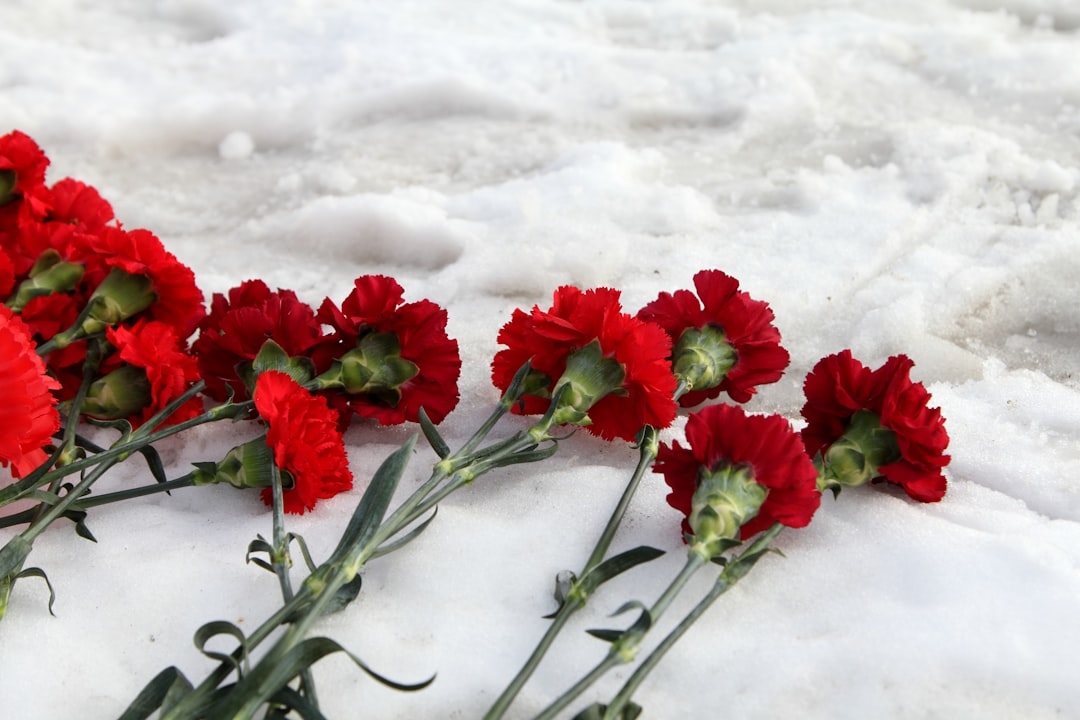
Carnations are often underestimated, but they hold deep meaning. Red carnations symbolize admiration; white carnations suggest pure love and innocence. They’re also exceptionally long-lasting—up to two weeks in a vase—which makes them a practical and symbolic choice, representing love that endures beyond death.
Gladioli: Strength and Character
The gladiolus (plural: gladioli) represents strength of character, moral integrity, and sincerity. Their tall, sword-like stems—”gladius” is Latin for sword—made them a traditional funeral flower for military personnel and community leaders. They’re most commonly used in standing sprays rather than coffin arrangements.
What Funeral Flower Colors Communicate
Color carries as much meaning as species. Here’s a quick reference:
- White: Purity, peace, innocence—appropriate for nearly any funeral
- Red: Deep love, grief, respect
- Yellow: Friendship, warmth, and remembrance in Southern US traditions
- Purple: Dignity, admiration, and respect—often chosen for older adults
- Pink: Grace, compassion, and gentle love
- Blue: Tranquility and calm; less common but increasingly used in modern arrangements
Funeral Flower Arrangements: Choosing the Right Form
The type of arrangement matters as much as the flowers inside it. Casket sprays rest directly on the coffin and are typically ordered by the immediate family—budget between $250 and $700 for a full-casket spray. Standing sprays are sent by extended family or close friends and placed near the casket or urn ($150–$400). Sympathy wreaths and baskets are appropriate for colleagues or acquaintances and typically run $60–$150.
Dr. Helena Marsh, a certified horticulturist and floral grief therapist based in Chicago, recommends this approach: “When you’re unsure what to send, choose white or cream arrangements with lilies and roses. These communicate universal sympathy across almost every religious and cultural tradition in the United States. Save bold color or specific flower choices for when you knew the deceased personally and can tailor the message.”
Religious and Cultural Considerations
Funeral flower symbolism isn’t universal. Christian funerals in the US widely embrace lilies as a resurrection symbol. Jewish funerals, particularly Orthodox ones, traditionally avoid flowers entirely—a food donation or charitable contribution is preferred. Hindu funerals commonly use marigolds, which carry sacred meaning in that tradition. Buddhist ceremonies may incorporate lotus flowers, symbolizing enlightenment and rebirth.
If you’re unsure of the family’s tradition, a white arrangement with minimal fragrance is the safest and most respectful option. Calling the funeral home to ask takes less than five minutes and is always appreciated.
Common Mistakes to Avoid
- Sending potted plants to a graveside service. They’re difficult to transport and often inappropriate for the setting. Save potted plants for the home delivery that follows.
- Choosing highly fragrant arrangements for indoor chapel services. Strong scents like stargazer lilies can trigger migraines in confined spaces. Ask your florist for low-fragrance alternatives like orchids or gladioli.
- Ordering online without verifying the delivery date. Many national delivery services miss the service date by 24–48 hours. Always confirm same-day or next-day delivery with the local florist.
- Assuming all white flowers mean the same thing. White tulips suggest forgiveness; white orchids suggest eternal love; white carnations suggest pure grief. The species still matters within a color palette.
- Overlooking the deceased’s personal preferences. If you knew the person loved sunflowers or had a garden full of lavender, incorporating those into the arrangement is far more meaningful than any symbolic default.
Practical Tips for Ordering Funeral Flowers
- Order at least 48 hours in advance when possible. Rush orders often cost 20–30% more and limit your options.
- Call a local florist rather than a national website for better quality control and same-day guarantees.
- Include a handwritten card. Printed cards feel impersonal; a short handwritten note paired with the arrangement significantly increases emotional impact.
- For Jewish, Muslim, or Buddhist families, verify first. A quick call prevents an unintentional cultural misstep.
- Consider sending flowers to the home 3–5 days after the funeral, when the family is alone and the initial support has dispersed. This timing is often more meaningful than the funeral itself.
Frequently Asked Questions About Funeral Flowers Meaning
What flowers are most appropriate for a funeral?
White lilies, white roses, and chrysanthemums are the most universally appropriate funeral flowers in the US. They convey sympathy, purity, and respect across most religious and cultural traditions.
What does it mean when someone sends yellow flowers to a funeral?
Yellow flowers, particularly yellow roses, symbolize friendship and warmth. They’re a common choice among friends of the deceased rather than close family members, especially in Southern US traditions.
Are there flowers you should avoid sending to a funeral?
Avoid sending brightly colored tropical flowers like birds of paradise unless you know they were a personal favorite of the deceased. Also avoid flowers associated with celebration, like sunflowers, unless the family has specifically requested an upbeat, celebratory tribute.
What is the symbolic meaning of white lilies at a funeral?
White lilies symbolize the restored innocence of the soul after death. They represent purity and the peace believed to follow life. Easter lilies specifically carry Christian resurrection symbolism.
Can I send flowers to a Jewish funeral?
Traditional Jewish mourning customs, particularly in Orthodox communities, discourage sending flowers. Instead, making a donation to a charity in the deceased’s name or sending food to the family’s home is the appropriate gesture. Reform Jewish families may accept flowers—when in doubt, ask the funeral home.
Making Your Choice Count
Funeral flowers aren’t a formality. Every bloom carries centuries of accumulated human meaning, refined through grief and love across cultures. Choosing deliberately—matching the flower, color, and arrangement to the person and their family—transforms a standard sympathy gesture into something personal and lasting.
Start with what you knew about the person. Did they grow roses? Did they love the color purple? Build from there. If you didn’t know them well, lean on the classics: white lilies, white roses, a simple standing spray. Then write the card. The flowers open the door; your words walk through it.