Contents:
- The Historical Roots of Daisy Symbolism
- What the Daisies Gift Meaning Says About Your Relationship
- From a Romantic Partner
- From a Friend or Family Member
- From a Colleague or Acquaintance
- Color Variations and Their Specific Meanings
- Daisies vs. Sunflowers: A Commonly Confused Comparison
- A Reader Story That Captures It Well
- Practical Tips for Receiving (and Responding to) a Daisy Gift
- When Daisies Are the Right Gift to Give Back
- FAQ: Daisies Gift Meaning
- What does it mean when someone gives you daisies?
- Are daisies a romantic flower?
- What is the symbolic meaning of white daisies specifically?
- Do different daisy varieties mean different things?
- Is receiving daisies a sign someone likes you romantically?
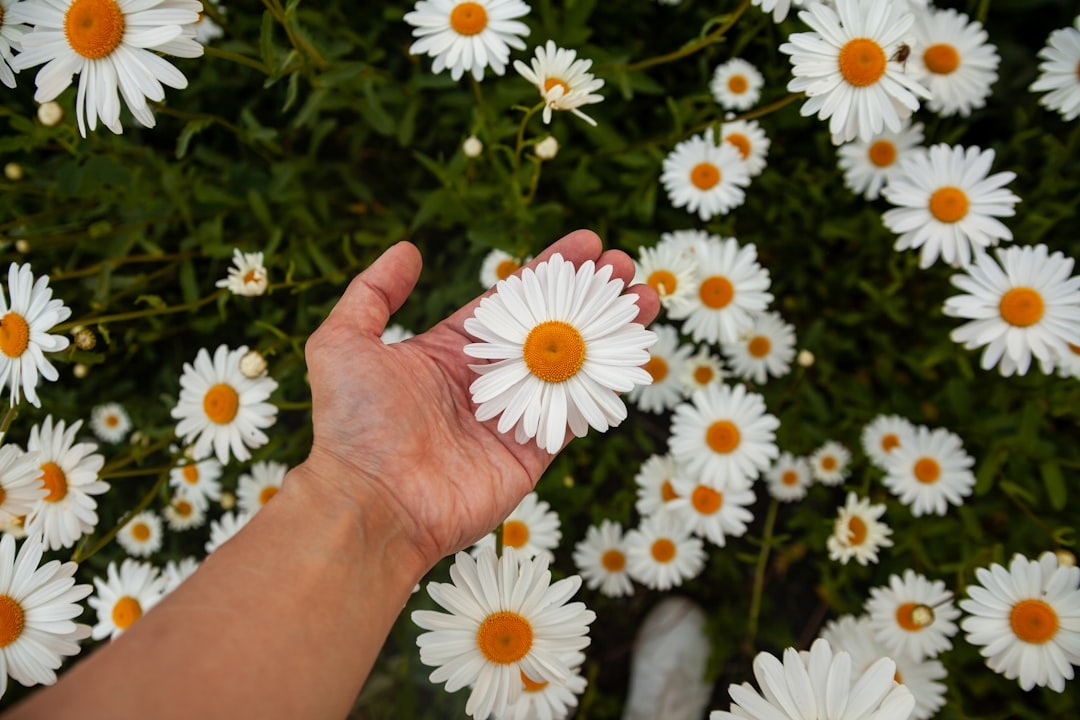
Daisies are one of the oldest cultivated flowers in human history — ancient Egyptians grew them in gardens as far back as 3,000 BCE, long before roses became the default symbol of affection. Yet today, a bouquet of daisies is often dismissed as a simple or casual gift. That assumption misses a great deal. The daisies gift meaning is layered, culturally rich, and surprisingly specific depending on color, variety, and context.
Receiving daisies is rarely accidental. People who choose daisies over roses or lilies are usually communicating something deliberate — even if they couldn’t fully articulate it. This guide unpacks what those flowers are actually saying.
The Historical Roots of Daisy Symbolism
The common daisy, Bellis perennis, takes its name from the Old English phrase “daes eage” — literally “day’s eye” — because the flower opens at dawn and closes at dusk. That natural rhythm gave early cultures a ready-made symbol for renewal, clarity, and the start of something new.
In Celtic tradition, daisies were associated with the souls of children who had died in infancy. Gods were said to scatter daisies across the earth to comfort grieving parents. This connection to innocence and purity carried forward into Victorian flower language — the elaborate system known as floriography — where daisies specifically represented loyal love, new beginnings, and cheerfulness.
By the mid-1800s, giving someone daisies was understood to mean: I will think of you always. That meaning hasn’t fully faded. It’s why daisies still show up at graduations, baby showers, and first-date flower arrangements more often than at formal anniversaries.
What the Daisies Gift Meaning Says About Your Relationship
The occasion and the giver matter enormously when interpreting a daisy bouquet. Context shifts the message more than almost any other flower.
From a Romantic Partner
A partner who brings daisies — especially Shasta daisies or gerbera daisies — is typically signaling lightness, affection, and playfulness rather than deep romantic intensity. This isn’t a lesser gesture. It often reflects a deliberate choice to express joy over passion. Studies on gifting behavior show that givers who select non-traditional flowers tend to score higher on measures of thoughtfulness compared to those who default to red roses, precisely because the choice requires more consideration.
If the bouquet includes white daisies specifically, the message leans toward sincerity and simplicity — a kind of “I see you as you are” sentiment that many people find more intimate than grand romantic gestures.
From a Friend or Family Member
In a friendship or family context, daisies almost universally communicate warmth, encouragement, and celebration of the everyday. They’re the flower equivalent of a genuine smile. A friend who brings daisies to your new apartment or recovery from illness is saying: I’m genuinely happy for you, no performance required.
From a Colleague or Acquaintance
Because daisies carry no strong romantic undertones, they’re also common in professional-adjacent gifting. A coworker leaving a small bunch of daisies on your desk for a birthday or work anniversary is choosing something cheerful and non-presumptuous — a socially safe flower that still feels personal.
Color Variations and Their Specific Meanings
Not all daisies carry the same message. Color changes the symbolism significantly.
- White daisies: Purity, innocence, new beginnings. Most commonly associated with traditional daisy symbolism.
- Yellow daisies (gerbera or sunflower daisy): Happiness, optimism, and platonic warmth. Often given to celebrate achievements or brighten someone’s day without romantic intention.
- Pink daisies: Gentleness, admiration, and budding affection. A softer romantic signal than red roses — appropriate early in a relationship.
- Purple/lavender daisies: Refinement, grace, and a slightly more mysterious admiration. Less common, more likely to be intentional.
- Orange gerbera daisies: Energy, enthusiasm, and bold friendship. Frequently used in “get well soon” arrangements because of their vibrancy.
Daisies vs. Sunflowers: A Commonly Confused Comparison
Daisies and sunflowers share a visual family resemblance — both have a central disc surrounded by ray petals — and people sometimes use them interchangeably when gifting. They’re not the same signal.
Sunflowers (Helianthus annuus) are bold, large, and carry meanings of adoration, loyalty, and longevity. Giving someone sunflowers says: I admire you deeply, and this feeling is enduring. The scale of the flower amplifies the message — a single sunflower commands a room.
Daisies, by contrast, are intimate and light. They say: You bring me joy, and I want you to know it simply. Where sunflowers are a statement, daisies are a conversation. If someone brings you sunflowers, they’re likely making a declaration. If someone brings you daisies, they’re extending warmth.
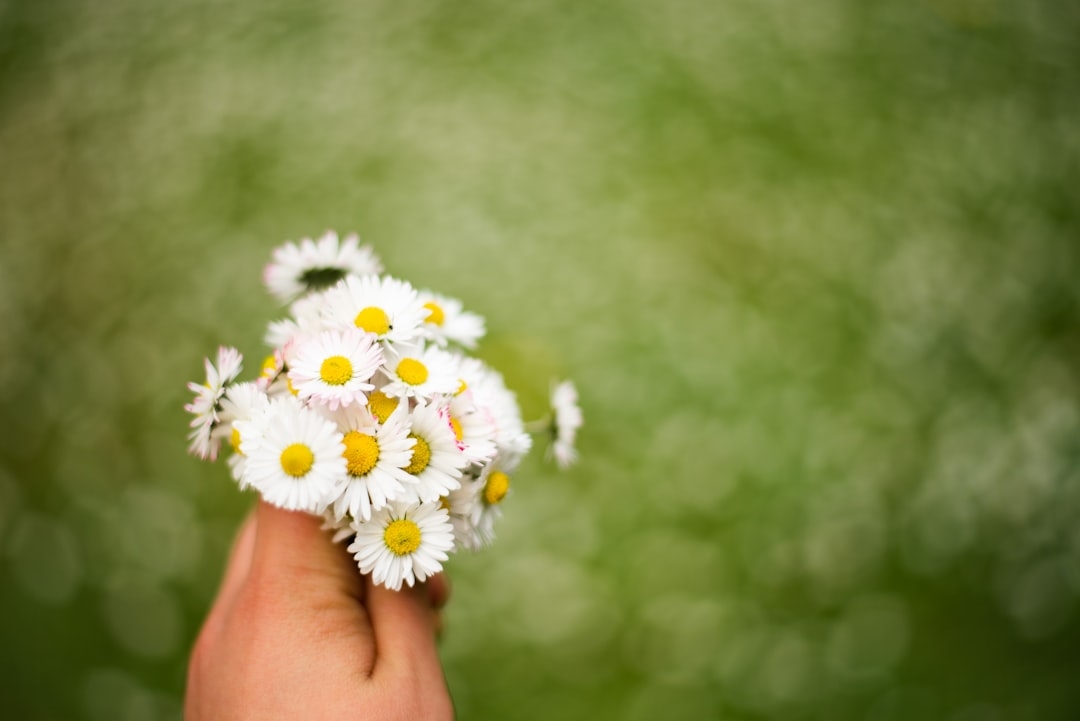
For gifting purposes: sunflowers work well for milestone expressions of gratitude or long-term devotion; daisies work better for everyday affection, new beginnings, and moments that don’t require grand gestures.
A Reader Story That Captures It Well
A reader once shared that her grandmother gave her a small bundle of white daisies on the morning of her college graduation — not roses, not lilies, just daisies from the garden. At the time, she thought it was a bit plain. Years later, she said, she understood it differently. Her grandmother had been saying: You are still exactly who you were, and that is enough. The innocence and simplicity of daisies made that message possible in a way that a formal arrangement never could have.
That quiet specificity is what daisies do best. They hold meaning without announcing it.
Practical Tips for Receiving (and Responding to) a Daisy Gift
- Don’t underestimate the gesture. Daisies at a US florist typically run $15–$40 for a fresh mixed bouquet. The giver made a deliberate choice, not a default one.
- Keep them alive longer: Trim stems at a 45-degree angle, change water every two days, and keep them away from direct heat. Gerbera daisies last 7–14 days with proper care; Bellis perennis runs 5–8 days in a vase.
- Consider the color when responding: If you received yellow or orange daisies, a warm, casual thank-you matches the energy. White daisies merit something a bit more heartfelt.
- Press them: Daisies are among the easiest flowers to press and dry. A single bloom between two sheets of parchment inside a heavy book takes about two weeks. The result is a keepsake that lasts years.
- Pair them in an arrangement: Daisies complement eucalyptus, baby’s breath, and lavender especially well if you want to display them as part of a broader bouquet.
When Daisies Are the Right Gift to Give Back
Understanding daisies gift meaning also helps when you’re deciding whether to give them. Daisies are ideal for:
- Welcoming someone to a new home or city
- Celebrating a recovery, a fresh start, or a small personal victory
- Sending warmth to someone going through a difficult transition without overpowering them with heavy floral drama
- Children’s birthdays or school celebrations — the cheerfulness is age-appropriate and universally understood
- A first-date gesture when you want to show thoughtfulness without intensity
FAQ: Daisies Gift Meaning
What does it mean when someone gives you daisies?
Receiving daisies generally signals innocence, genuine affection, new beginnings, or cheerfulness. The exact meaning depends on context: from a romantic partner, daisies suggest playful warmth; from a friend or family member, they express encouragement and joy.
Are daisies a romantic flower?
Daisies can be romantic, but they’re not primarily so. They represent loyal affection and sincerity more than passion. Pink daisies lean romantic; white daisies lean pure and sincere; yellow daisies are typically platonic and celebratory.
What is the symbolic meaning of white daisies specifically?
White daisies symbolize innocence, purity, and new beginnings. In Victorian floriography, they also meant loyal love and the sentiment “I will think of you always.”
Do different daisy varieties mean different things?
Yes. Gerbera daisies are bold and celebratory; Shasta daisies carry traditional purity symbolism; African daisies suggest creativity and resilience; oxeye daisies are associated with patience and calm endurance.
Is receiving daisies a sign someone likes you romantically?
It can be, especially pink or white daisies in a deliberate bouquet. But daisies are also common in non-romantic gifting. Pay attention to the occasion and whether the giver chose them intentionally over more obvious options like roses.
The next time someone hands you daisies, look at the color, consider who gave them, and think about the moment they chose. Daisies are not a placeholder flower. They are a specific language — quiet, cheerful, and honest — and someone took the time to speak it to you.