Contents:
- Why Flowers Are Never Just Flowers From an Ex
- Decoding the Ex Sends Flowers Meaning by Flower Type
- Red Roses: The Unambiguous Signal
- Mixed Bouquets: Ambiguity on Purpose
- White Lilies or Sympathy Flowers
- Your Favorite Flower
- The Four Most Common Reasons an Ex Reaches Out This Way
- Regional Differences in How This Gesture Reads
- What to Do When the Flowers Arrive
- Don’t React Immediately
- Acknowledge Without Encouraging
- If You Are Interested, Don’t Overreact
- Common Mistakes to Avoid
- A Quick Cost Breakdown: What They Spent
- Frequently Asked Questions
- What does it mean when an ex sends you flowers with no note?
- Should I thank my ex for sending flowers?
- Does sending flowers mean my ex wants to get back together?
- What if my ex sends flowers and I’m in a new relationship?
- Do the specific flowers chosen have meaning?
- What Comes Next Is the Real Answer
You come home on a Tuesday — nothing special about the day — and there’s an arrangement sitting on your doorstep. Roses, maybe, or a mixed bouquet wrapped in kraft paper. The card reads something vague like “Thinking of you.” Your stomach does a little flip. The ex sends flowers meaning question hits you before you’ve even unlocked the door.
It’s one of those gestures that feels loaded with subtext. Flowers aren’t a casual gift. They take thought, money, and — most tellingly — a decision to reach out after silence. So what’s actually going on here?
Why Flowers Are Never Just Flowers From an Ex
A text is easy. A like on an old Instagram photo is practically accidental. But ordering and sending a bouquet? That requires logging onto a website or walking into a shop, choosing an arrangement, writing a note, entering your address (which they still have, apparently), and spending real money. The average floral delivery in the US runs between $50 and $90, with premium arrangements from national retailers like 1-800-Flowers or FTD often starting at $65 before delivery fees.
That level of effort communicates something deliberate. Whether the message behind it is romantic, apologetic, or something murkier depends heavily on context — the relationship history, the timing, and the specific flowers chosen.
Decoding the Ex Sends Flowers Meaning by Flower Type
Flower choice matters more than most people realize. Florists report that customers selecting gifts for former partners often agonize over the arrangement — and that agonizing tells its own story.
Red Roses: The Unambiguous Signal
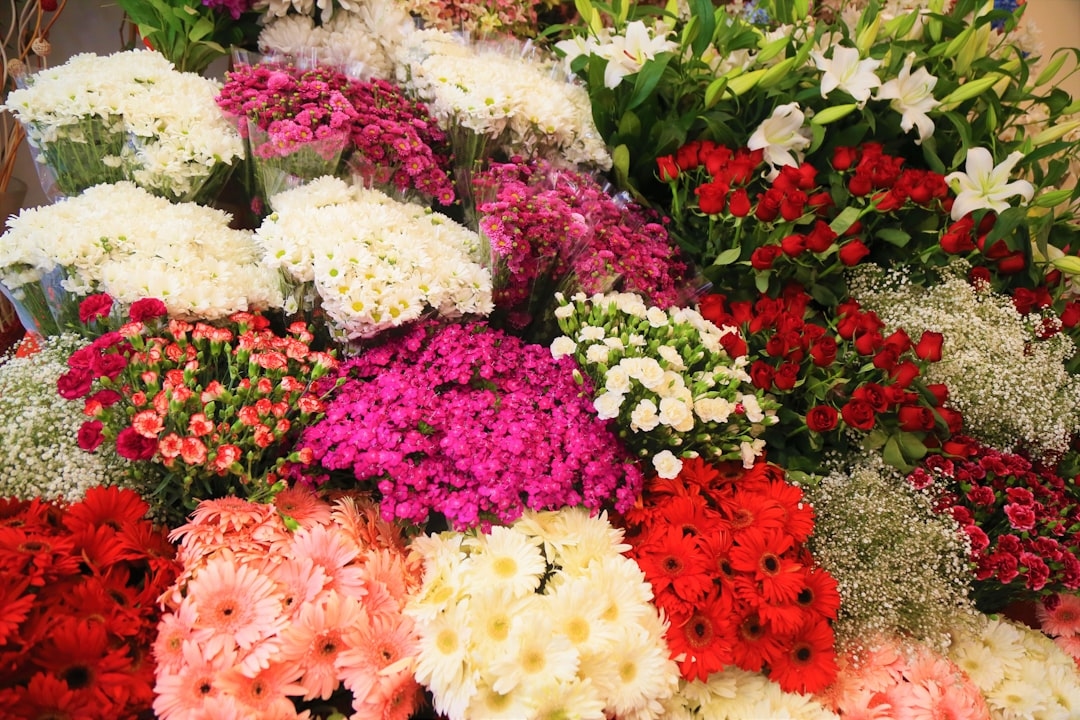
A dozen red roses sent by an ex is about as subtle as a skywriter. Red roses carry a centuries-old romantic association that virtually everyone understands. If your ex sent these, they’re likely testing whether romantic feelings are still mutual. This isn’t a friendship gesture.
Mixed Bouquets: Ambiguity on Purpose
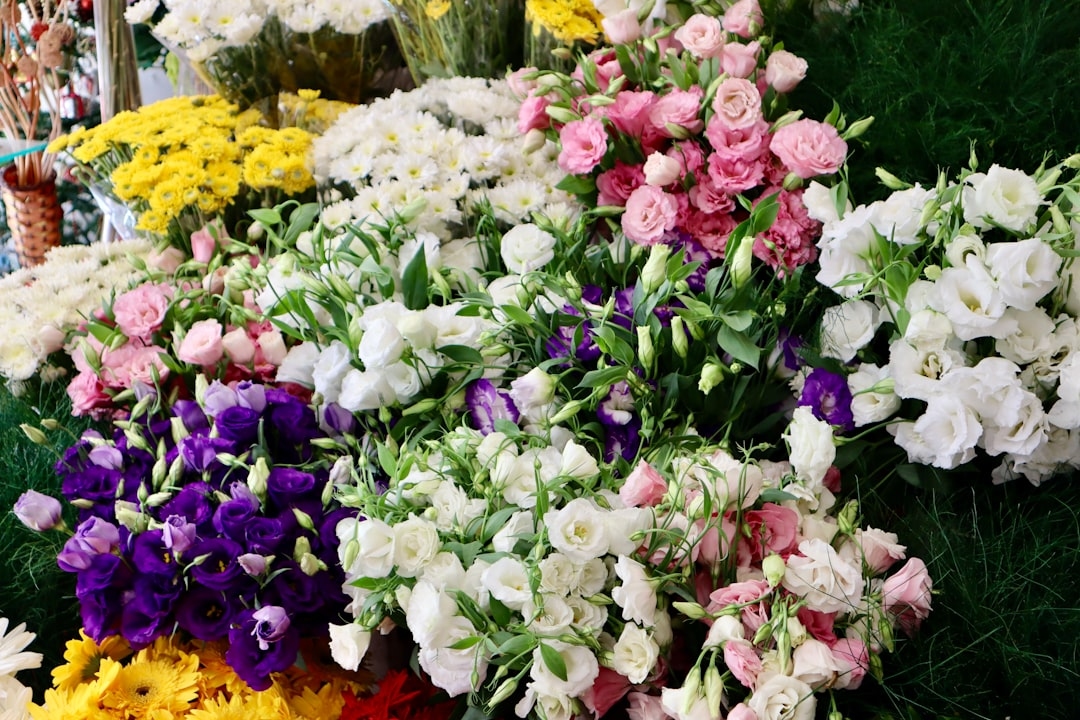
A colorful mixed arrangement — sunflowers, daisies, greenery — is softer. It says “I was thinking of you” without fully committing to a declaration. This is the choice of someone who wants to reopen a line of communication but isn’t ready to show their full hand. Expect a follow-up text within 48 hours.
White Lilies or Sympathy Flowers
If you recently lost a family member or went through a difficult event, white lilies or a soft sympathy arrangement may genuinely be just that — condolences. Context here is everything. Don’t read romantic intent into a grief response.
Your Favorite Flower
If your ex sent something specific — the exact variety you always loved — that’s a memory play. They’re showing you they still know you. This is intimate. It’s meant to be.
The Four Most Common Reasons an Ex Reaches Out This Way
- They want to reconcile. This is the most common motivation. Research from relationship psychology suggests that roughly 40–50% of couples attempt reconciliation at least once after a breakup. Flowers are a low-stakes opener — romantic enough to signal interest, easy to walk back if rejected.
- They feel guilty. If the relationship ended badly — infidelity, a harsh breakup, or unresolved conflict — flowers can be a form of apology without the vulnerability of direct confrontation. The gesture says “I’m sorry” without requiring a conversation.
- A significant date triggered it. Your birthday, an anniversary, Valentine’s Day, or even the anniversary of a loss can prompt impulsive gestures. This type of flower-sending is often emotionally reactive rather than strategically planned.
- They’re testing the water after hearing you’ve moved on. If mutual friends have mentioned you’re dating someone new, some exes respond by reasserting their presence. It’s competitive rather than genuinely romantic — though it may not feel that way.
Regional Differences in How This Gesture Reads
Where you live shapes how this kind of gesture lands culturally. In the Northeast — particularly New York and Boston — grand romantic gestures are often viewed with a degree of skepticism. Receiving flowers from an ex might prompt friends to ask, “What does he want?” before anything else.
In the South, where courtship traditions run deeper, a floral delivery from a former partner is more likely to be read as genuinely romantic and is often met with more openness. There’s a cultural framework for “trying again” that makes the gesture feel less suspicious.
On the West Coast, particularly in cities like LA or Seattle, the gesture might be viewed through a more self-growth lens — friends might suggest your ex has “done the work” and is making amends, rather than immediately reading it as a romantic move.
What to Do When the Flowers Arrive
The bouquet is sitting in a vase. Now what?
Don’t React Immediately
Give yourself 24 hours before responding in any direction. The flowers are designed to create an emotional response — warmth, nostalgia, flattery. Let that initial wave settle before you decide what you want to communicate back.
Acknowledge Without Encouraging
If you’re not interested in reconnecting, a simple acknowledgment works: “Received your flowers. Hope you’re well.” This is polite without being warm. It closes the loop without opening a door.
If You Are Interested, Don’t Overreact
Responding with a long emotional message to a bouquet of flowers puts you off-balance. Match their energy — a brief, warm message leaves room for a real conversation to follow naturally.
Common Mistakes to Avoid
- Assuming the meaning without more data. One bouquet is a signal, not a declaration. Wait to see if action follows before drawing conclusions.
- Posting about it on social media. This escalates the situation publicly and forces your ex into a corner, which rarely produces genuine connection.
- Sending flowers back as a counter-gesture. This can create an emotional loop without anyone actually saying what they mean. Have a real conversation instead.
- Ignoring it entirely if you want closure. If the relationship ended with unresolved pain, a non-response might feel powerful but often prolongs uncertainty. A brief, clear acknowledgment is healthier.
- Reading too much into flower choice alone. Some people just click “popular arrangement” and checkout. Don’t build an entire theory on sunflowers versus peonies without other context.
A Quick Cost Breakdown: What They Spent
Understanding the financial investment can actually be a useful emotional gauge. Here’s what different price points typically signal in terms of effort:
- Under $40: A grocery store bouquet or same-day delivery filler arrangement. Thoughtful but not lavish — possibly impulsive.
- $50–$80: A mid-tier online order from a national florist. Planned enough to browse, choose, and pay. This is the most common ex-bouquet range.
- $80–$150: A premium arrangement, possibly from a local florist with customization. This level suggests real intention — they didn’t just click and checkout.
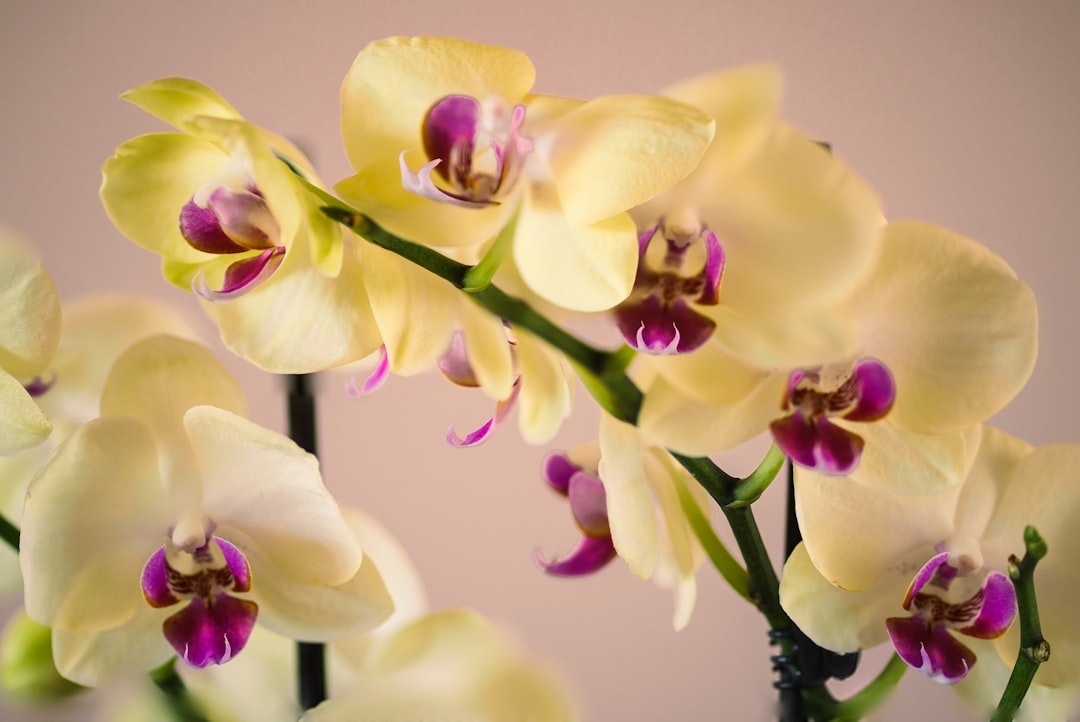
- $150+: A statement. Orchids, large arrangements, luxury packaging. This is someone who wants you to know they spent the money. Reconciliation is almost certainly the goal.
Frequently Asked Questions
What does it mean when an ex sends you flowers with no note?
A bouquet with no card is often more calculated than one with a message. It forces you to reach out to say thank you, which opens communication on their terms. It’s a deliberate move, not an oversight.
Should I thank my ex for sending flowers?
Yes — a brief acknowledgment is the socially appropriate response regardless of your feelings. Keep it short and neutral if you’re not interested. “Thanks for the flowers” is enough.
Does sending flowers mean my ex wants to get back together?
Not always, but it’s the most common motivation. Watch for follow-up contact within a week. If flowers arrive and you hear nothing else, it may have been an emotional impulse rather than a reconciliation plan.
What if my ex sends flowers and I’m in a new relationship?
Be transparent with your current partner — tell them before they find out another way. Then decide how you want to respond (or not) to your ex with your partner’s awareness. Secrecy here creates unnecessary tension.
Do the specific flowers chosen have meaning?
Sometimes yes, often no. Red roses are universally understood as romantic. Beyond that, most people choose what looks nice rather than consulting floriography. Ask about the choice directly if you’re genuinely curious.
What Comes Next Is the Real Answer
The bouquet itself is just the opening line of a longer story. What happens in the days that follow — whether they reach out, what they say, how they say it — tells you far more than the flowers ever could. Use this moment to get clear on what you actually want before their narrative takes over. Because an ex sending flowers isn’t really about the flowers. It’s about whether you’re willing to start a new chapter, or ready to close the book for good.
If you’re leaning toward hearing them out, consider setting a specific, low-stakes meeting — coffee, 45 minutes, a public place. That context tells you everything flowers cannot.