Contents:
- The Symbolism Behind 2 Roses: Mutual Love and Partnership
- 2 Roses Meaning by Color: How Shade Changes the Message
- Mixed Color Pairs: When Two Roses Tell a Layered Story
- 2 Roses vs. 1 Rose: Understanding the Key Difference
- Seasonal and Calendar Context: When Two Roses Carry Extra Weight
- Practical Tips for Giving or Interpreting Two Roses
- FAQ: 2 Roses Meaning
- What does receiving 2 red roses mean?
- Is there a difference between 2 roses and a dozen roses as a romantic gesture?
- What does 2 roses mean for a second anniversary?
- Can 2 roses be platonic?
- What does one red and one white rose together mean?
- Choosing Two Roses With Intention
What does a single extra stem change about a bouquet? Quite a lot, it turns out. The 2 roses meaning is one of the most deliberately intimate messages in floral symbolism — and understanding it can shift how you read a gesture, or how you plan one.
Rose numerology has roots in Victorian-era floriography, the 19th-century practice of assigning coded meanings to flowers and quantities. Two roses meant something specific then, and the symbolism has held up surprisingly well into modern gifting culture.
The Symbolism Behind 2 Roses: Mutual Love and Partnership
One rose says “I love you.” Two roses say “we love each other.” That distinction matters. A pair of roses represents reciprocity — a bond acknowledged by both people, not just declared by one. This makes two roses a popular choice for anniversaries, Valentine’s Day, and relationship milestones where equality in feeling is the point.
In numerology, the number 2 governs balance, duality, and connection. It is the number of pairs — day and night, question and answer, you and me. When that symbolism is layered onto roses, one of history’s oldest love symbols, the message becomes remarkably compact: two of us, together.
Florists and relationship coaches sometimes describe two roses as the “quiet” romantic gesture. There is no spectacle. A dozen roses fills a vase and fills a room. Two roses fit in one hand. That intimacy is the point.
2 Roses Meaning by Color: How Shade Changes the Message
The number carries the primary message, but color layers in nuance. Here is how the most common rose colors interact with the number two:
- Red: The classic pairing. Two red roses = deep, mutual romantic love. Best for established couples or a confession of serious feelings.
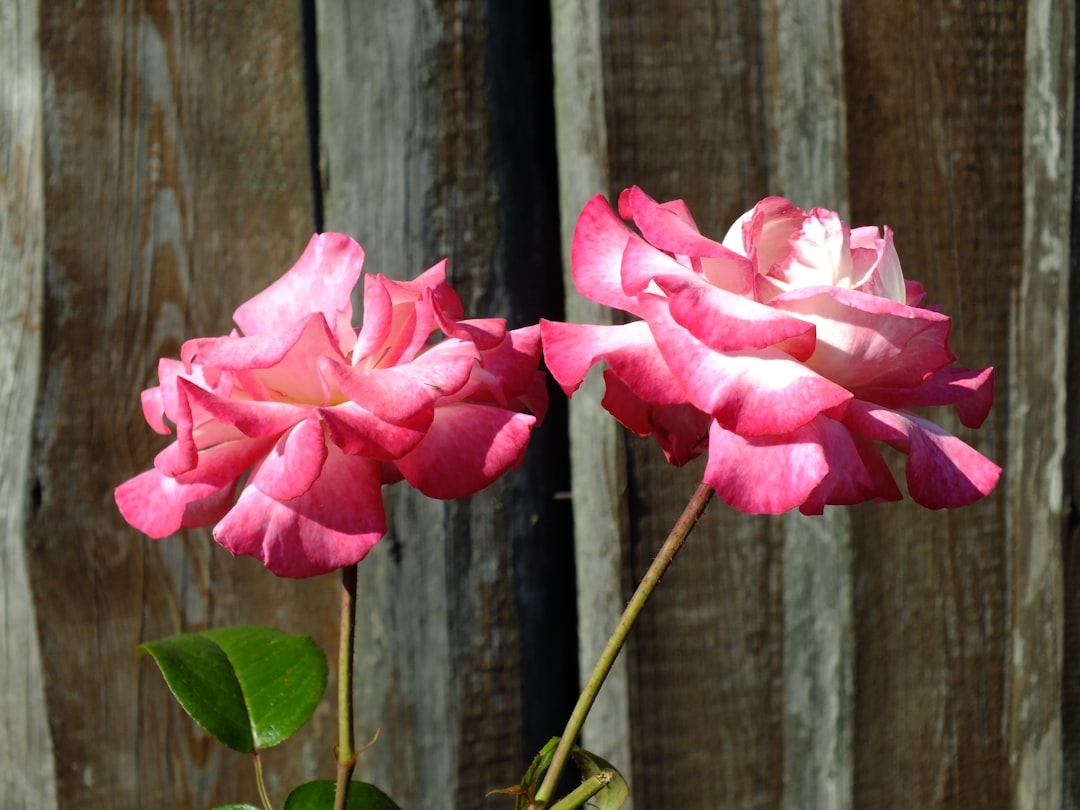
- Pink: Admiration and affection, slightly softer than red. Two pink roses work well for early-stage romance or a gentle “I care about you.”
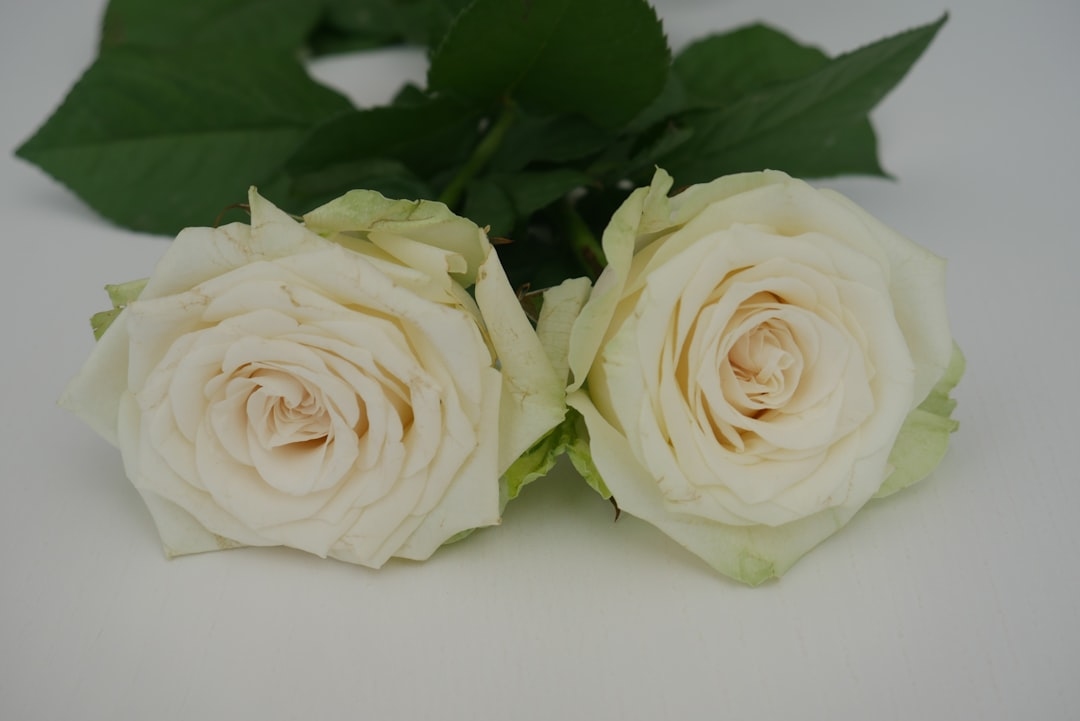
- White: Purity and new beginnings. Two white roses often appear at weddings or to mark a fresh chapter in a relationship.
- Yellow: Friendship and joy. Two yellow roses say “you mean the world to me” in a platonic context — appropriate for close friends or family.
- Peach: Gratitude and sincerity. A less common but thoughtful choice when you want to express appreciation to someone you are also fond of romantically.
Mixed Color Pairs: When Two Roses Tell a Layered Story
Pairing one red and one white rose together is a well-known combination representing unity — two different people becoming one partnership. This specific pairing has appeared in heraldry (the Tudor Rose of England), giving it centuries of symbolic weight. If someone hands you one red and one white rose, they may be signaling something more permanent than a date — think commitment or a marriage proposal context.
2 Roses vs. 1 Rose: Understanding the Key Difference
This is the comparison most people are actually searching for. A single rose is a declaration — often the opening move, an expression of attraction or early love. It says “I feel this.” Two roses confirm that love is a shared state. They say “we feel this.”
Think of it this way: one rose is a sentence. Two roses are a conversation.
In practical terms, a single long-stemmed red rose at a florist runs approximately $6–$12 in the US. A pair typically costs $10–$20, depending on the variety and season. The small price difference carries a meaningful symbolic upgrade — which is why two roses are often deliberately chosen over one, rather than being a budget compromise on a full dozen.
Seasonal and Calendar Context: When Two Roses Carry Extra Weight
Timing shapes meaning. Here is a rough calendar of when the 2 roses meaning resonates most strongly:
- February 14 (Valentine’s Day): The most obvious moment. Two roses signal a committed, mutual love without the sometimes-impersonal volume of a dozen-stem arrangement.
- June (Wedding Season, US Peak): Two roses — especially white or red-and-white — appear in boutonnières, table arrangements, and anniversary gifts during summer weddings.
- August–September (Anniversaries): Many couples use the number of roses to mark years together. Two roses on a second anniversary is a direct, intentional tradition.
- October–November: Rose season winds down in most US growing zones (Zones 5–8 see first frost between October 15 and November 15). Fresh-cut two-rose arrangements bought now often use greenhouse-grown Ecuadorian or Colombian stems — still high quality, but worth asking your florist about origin.
- December holidays: Two red roses make a quiet, romantic gift that avoids the generic holiday bouquet. They stand out precisely because they are understated.
Practical Tips for Giving or Interpreting Two Roses
If you are giving two roses, consider these specifics to maximize the gesture:
- Choose stem length intentionally. Longer stems (50cm+) signal formality and romance. Shorter stems in a small wrapped arrangement read as casual and warm.
- Add a note. Two roses with no context can be ambiguous to some recipients. A single sentence clarifying your intent — “for us” or “one for each year” — grounds the symbolism.
- Match the color to the relationship stage. Pink or peach for early romance; red for established love; yellow for deep friendship. Do not default to red if the relationship is not yet romantic — it can create pressure.
- Consider presentation. Two stems tied with a simple ribbon cost almost nothing extra but elevate the presentation significantly over two loose stems handed over informally.
If you are receiving two roses and trying to read the intent: context and color are your best guides. Red from a romantic partner is almost always a declaration of mutual love. Two roses from a friend, especially in yellow or peach, are most likely an expression of close platonic affection. When in doubt, the gesture itself — two, not one, not twelve — signals that the giver chose deliberately.
FAQ: 2 Roses Meaning
What does receiving 2 red roses mean?
Two red roses symbolize mutual romantic love and a deep connection between two people. The number two emphasizes reciprocity — both individuals share equal feeling — while red reinforces passion and commitment.
Is there a difference between 2 roses and a dozen roses as a romantic gesture?
Yes. A dozen roses is a grand, public-facing gesture often associated with courtship or big occasions. Two roses are more intimate and deliberate — they signal a private, specific bond rather than a sweeping declaration.
What does 2 roses mean for a second anniversary?
Giving two roses on a second anniversary is a direct tradition: one rose for each year together. It is a personal, numerically meaningful gift that outperforms a generic bouquet in sentimental value.
Can 2 roses be platonic?
Absolutely. Two yellow roses, for example, represent deep friendship and joy between people. Color context matters enormously — two roses are not exclusively romantic.
What does one red and one white rose together mean?
A red and white rose pair traditionally symbolizes unity — two distinct individuals becoming one partnership. It carries centuries of symbolic history and is sometimes associated with marriage or long-term commitment.
Choosing Two Roses With Intention
Two roses occupy a precise emotional register that no other quantity quite matches. They are too deliberate to be casual, too intimate to be performative. Whether you are selecting them for a partner, decoding what someone meant by sending them, or planning a second-anniversary gift, the symbolism is consistent across contexts: partnership, balance, mutual feeling.
The next time you are at a florist deciding between one stem and a full bouquet, consider what the number itself communicates. Sometimes two is exactly the right answer — not because it is cheaper or simpler, but because it says precisely what you mean. Start there, pick your color, and let the roses do the rest.