Contents:
- The History Behind Yellow Flowers and Their Symbolism
- Yellow Flowers Meaning Gifted: Decoding by Flower Type
- Yellow Roses: Friendship and Caring
- Sunflowers: Admiration and Loyalty
- Yellow Tulips: Cheerfulness and Fresh Starts
- Yellow Daffodils: Hope and Resilience
- Yellow Chrysanthemums: Celebration and Long Life
- What the Relationship Tells You
- A Seasonal Timeline: When Yellow Flowers Are Given and Why
- Regional Differences in Yellow Flower Meaning
- A Story That Says It All
- Practical Tips for Keeping Your Yellow Flowers Alive Longer
- FAQ: Yellow Flowers Meaning When Gifted
- What does it mean when someone gives you yellow flowers?
- Are yellow flowers romantic?
- What does it mean when a man gives a woman yellow flowers?
- What yellow flower means “I love you”?
- Is it bad luck to receive yellow flowers?
- How to Respond When You Receive Yellow Flowers
Yellow is the most emotionally stimulating color in the visible spectrum — and yet fewer than 12% of people can accurately interpret what yellow flowers mean when they receive them as a gift. That gap between giving and understanding is where so much meaning gets lost. If someone just handed you a bouquet of sunny blooms, you’re right to wonder what they were trying to say.
The yellow flowers meaning gifted to you depends heavily on the specific flower, the relationship, the season, and sometimes even where in the country you live. A bunch of yellow roses from a coworker in Boston reads very differently than a bundle of sunflowers from a friend in Los Angeles. Let’s unpack all of it.
The History Behind Yellow Flowers and Their Symbolism
Yellow flowers have carried symbolic weight for thousands of years. In ancient Egypt, yellow was the color of gold and eternity — yellow blooms were placed in tombs to signal everlasting life. In Victorian England, however, yellow flowers took a darker turn. Sending yellow roses during the 1800s was a coded message of jealousy or even infidelity, a meaning that lingered well into the early 20th century.
The rehabilitation of yellow flowers as a symbol of friendship and joy is largely a post-World War II phenomenon. As global flower trade expanded and cultural meanings blended, yellow blossoms became associated with warmth, optimism, and new beginnings — the dominant interpretation held today in the United States.
That said, context still matters enormously. A single yellow carnation carries a completely different emotional weight than a full arrangement of yellow tulips. Florists in the U.S. report that yellow flowers account for approximately 18% of all non-holiday floral purchases, making them the third most popular color choice behind red and white.
Yellow Flowers Meaning Gifted: Decoding by Flower Type
Not all yellow flowers speak the same language. The species matters as much as the color when you’re trying to understand what someone meant to say.
Yellow Roses: Friendship and Caring
Yellow roses are the most unambiguous yellow flower gift in American culture. They almost universally signal friendship, warmth, and platonic affection. If someone gives you yellow roses, they’re almost certainly saying: I care about you, and I value what we have. This is especially common between close friends, siblings, or colleagues celebrating a milestone. A standard dozen yellow roses from a reputable U.S. florist runs between $45 and $85.
Sunflowers: Admiration and Loyalty
Sunflowers are bold, unsubtle, and deeply earnest. Their symbolism centers on adoration and unwavering loyalty — the way a sunflower tracks the sun is exactly the metaphor being invoked. Receiving sunflowers from someone typically signals that they admire you deeply or are rooting for you with genuine enthusiasm. They’re a particularly common gift in the American South and Midwest, where their agricultural roots give them an extra layer of wholesome sincerity.
Yellow Tulips: Cheerfulness and Fresh Starts
Yellow tulips bloom in spring and carry that seasonal energy into their meaning. They signal cheerfulness, new beginnings, and an almost childlike joy. If you received yellow tulips, the giver likely wanted to celebrate something new in your life — a job, a move, a recovery — or simply wanted to brighten a difficult week. On the West Coast, particularly in the Pacific Northwest, yellow tulips are a staple of early spring gifting from March through May.
Yellow Daffodils: Hope and Resilience
Daffodils signal hope — specifically the kind that pushes through adversity. They’re the flower equivalent of saying you’ve got this. In the Northeast, daffodils are the first flower of spring and carry massive emotional weight after long winters. Receiving daffodils often means the giver sees strength in you, even when you don’t see it yourself.
Yellow Chrysanthemums: Celebration and Long Life
In East Asian cultures widely represented across the U.S., yellow chrysanthemums symbolize longevity and joy. In mainstream American contexts, they signal festivity and celebration. They’re common in fall arrangements — particularly October through November — and are frequently gifted at graduations, retirements, and milestone birthdays.
What the Relationship Tells You
The giver’s relationship to you is the single most important interpretive lens. Here’s a practical breakdown:
- Romantic partner: Yellow flowers from a partner can signal warmth and affection, but if the relationship is new, some people still associate yellow roses with the “friend zone.” Communication matters more than symbolism here.
- Friend or family member: Almost certainly an expression of love, support, or celebration. Take it at face value — it’s a good thing.
- Coworker or boss: Typically professional appreciation or congratulations. Yellow is a safe, neutral celebratory color in workplace contexts.
- Someone you’ve just met: A bold and optimistic choice that likely signals they find you energizing or inspiring.
- Anonymous giver: Yellow flowers as a mystery gift suggest admiration without romantic pressure — more curiosity than declaration.
A Seasonal Timeline: When Yellow Flowers Are Given and Why
The time of year shapes yellow flower gifting significantly in the U.S. Here’s how it breaks down across the calendar:
- January–February: Yellow flowers are rare in winter gifting, making them highly intentional — usually a deliberate mood-lifter during the bleakest months.
- March–April: Peak yellow flower season. Daffodils and tulips flood the market. Spring gifting is celebratory and hopeful.
- May–June: Sunflowers emerge. Graduation season makes yellow a dominant gift color, symbolizing future brightness.
- July–August: Sunflowers at their peak availability and lowest prices — often under $15 for a farmers’ market bunch. Casual, warm-weather gifting.
- September–October: Yellow chrysanthemums dominate fall arrangements. Harvest themes bring yellow into seasonal celebrations.
- November–December: Yellow recedes in favor of red and white for the holidays, making a yellow gift in this window especially meaningful and personal.
Regional Differences in Yellow Flower Meaning
Flower symbolism isn’t uniform across the United States. Regional culture subtly shapes how yellow blooms are given and received.
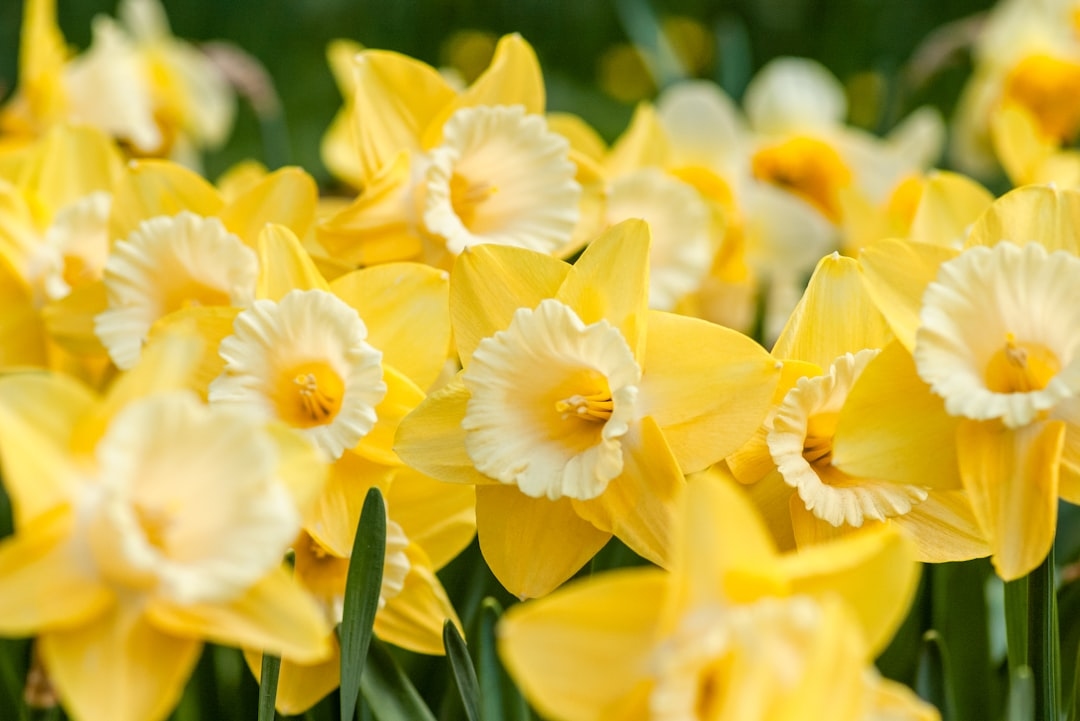
In the Northeast, yellow flowers — especially daffodils — carry intense seasonal significance after long, gray winters. They’re an emotional marker of renewal, and receiving them in March or April hits differently than anywhere else in the country.
In the South, sunflowers and black-eyed Susans tap into a deep agricultural and pastoral tradition. Yellow flowers here often signal community, warmth, and genuine hospitality — the floral equivalent of a front-porch welcome.
On the West Coast, where flower markets are more international and culturally diverse, yellow flowers are often chosen for their visual energy rather than traditional symbolism. A Los Angeles gifter might choose yellow proteas or yellow orchids — choices that read as artistic and contemporary rather than conventionally sentimental.
A Story That Says It All
A reader named Claire from Chicago shared her experience: she’d been going through a brutal stretch at work — missed promotions, a difficult manager, a project that collapsed publicly. One Monday morning, she arrived at her desk to find a mason jar with five yellow sunflowers and a note that just said “Monday needs this.” No signature. She eventually figured out it was a coworker she barely knew from another department.
“I cried in the bathroom,” she told us. “Not because it was romantic or grand. Because someone saw that I was drowning and just… showed up with sunshine.” That’s the quiet power of yellow flowers. They don’t demand anything. They just radiate.
Practical Tips for Keeping Your Yellow Flowers Alive Longer
Yellow flowers tend to be sensitive to heat and direct light — which is ironic, given their sunny appearance. Here’s how to get the most out of your gifted bouquet, especially in a small apartment where space and light conditions vary:
- Cut stems at a 45-degree angle before placing them in water — this increases surface area for hydration.
- Change the water every two days. Yellow roses and tulips are particularly prone to bacterial buildup.
- Keep them away from direct sunlight and heating vents. A bright but indirect light spot is ideal.
- Add a small amount of sugar and a drop of bleach to the water if you don’t have flower food — roughly 1 teaspoon of sugar and 1 drop of bleach per quart of water extends vase life by 2–3 days.
- Sunflowers last 7–12 days in a vase; yellow roses average 5–7 days; tulips often last just 4–5 days but look spectacular while they do.
FAQ: Yellow Flowers Meaning When Gifted
What does it mean when someone gives you yellow flowers?
Yellow flowers most commonly symbolize friendship, joy, warmth, and admiration in American culture. The specific meaning depends on the flower type and your relationship with the giver, but it’s almost always a positive, affirming gesture.
Are yellow flowers romantic?
Yellow flowers are generally considered platonic rather than romantic in the U.S. Yellow roses in particular are strongly associated with friendship. That said, yellow flowers can be romantic when paired with other colors like red or given in a clearly romantic context.
What does it mean when a man gives a woman yellow flowers?
It typically signals admiration, warm friendship, or celebratory support rather than romantic love. If a man gives yellow roses specifically, he’s most likely communicating care and appreciation in a platonic or affectionate-but-not-romantic way.
What yellow flower means “I love you”?
No yellow flower has a strong traditional association with romantic love in American floral language. Yellow acacia, however, has historically symbolized secret love. For a romantic message, most florists recommend red roses or deep pink peonies instead.
Is it bad luck to receive yellow flowers?
In mainstream American culture, no — yellow flowers are considered lucky and uplifting. However, in some Eastern European and Latin American traditions, yellow flowers are associated with separation or bad luck, so regional and cultural context matters if you know the giver’s background.
How to Respond When You Receive Yellow Flowers
Now that you understand what yellow flowers likely mean, here’s how to respond in a way that honors the gesture. A simple, specific thank-you goes far: mention the flower type, not just “the flowers.” Say something like, “The sunflowers absolutely made my week — I put them right by my kitchen window.” Specificity signals that you truly received the gift, not just acknowledged it.
If you’re unsure about the intent — especially in a new relationship — let the flowers do their ambiguous, beautiful work without over-analyzing. Sometimes a bouquet of yellow tulips is just someone saying: you matter to me. And that’s more than enough.