Contents:
- The Rich History Behind Sunflower Symbolism
- What Sunflowers Mean When Gifted: Breaking Down the Most Common Reasons
- A Sign of Genuine Friendship and Appreciation
- Romantic Interest — Especially Early On
- Admiration and Encouragement
- Sunflowers vs. Yellow Roses: An Important Distinction
- The Eco-Friendly Case for Gifting Sunflowers
- Practical Tips: How to Read the Gesture More Accurately
- Frequently Asked Questions About Sunflower Gifts
- What does it mean when a guy sends you sunflowers?
- Are sunflowers romantic or just friendly?
- What does a single sunflower mean as a gift?
- Do sunflowers have a specific meaning in different colors?
- Is it appropriate to send sunflowers for sympathy?
- What to Do Next If You Received Sunflowers
A lot of people assume sunflowers are just a cheerful, casual flower — the kind you grab when roses feel like too much. That’s only part of the story. The sunflowers meaning when gifted runs deeper than most people realize, carrying centuries of symbolism that changes depending on who’s sending them and why. So if a bouquet of tall, golden blooms just showed up at your door, here’s what it might actually be telling you.
The Rich History Behind Sunflower Symbolism
Sunflowers (Helianthus annuus) have been cultivated for over 4,000 years, originating with Indigenous peoples of North America who used them for food, dye, and ceremony. By the time they reached Europe in the 1500s, they had already accumulated deep meaning tied to the sun itself — warmth, sustenance, and life-giving energy.
In the Victorian language of flowers, known as floriography, sunflowers symbolized adoration and loyalty. Sending a sunflower meant “I am devoted to you” — not in a romantic-obsession way, but in a steady, reliable, “I’m in your corner” kind of way. That meaning hasn’t faded. It’s just been layered with new ones over time.
Today, sunflowers are one of the top five most gifted flowers in the United States, according to the Society of American Florists. Their appeal spans age groups and occasions in a way that roses and lilies simply don’t.
What Sunflowers Mean When Gifted: Breaking Down the Most Common Reasons
A Sign of Genuine Friendship and Appreciation
The most common reason someone sends sunflowers? They genuinely care about you and want you to feel good. Unlike roses, which carry romantic weight, sunflowers sit comfortably in the friendship lane. If a coworker, neighbor, or old friend sends them after a tough week or a big achievement, they’re essentially saying: I see you, and I’m rooting for you.
This makes sunflowers an especially thoughtful gift after a job loss, a move, or a hard personal moment — situations where roses would feel tone-deaf and lilies too formal.
Romantic Interest — Especially Early On
Sunflowers can absolutely signal romantic feelings, particularly at the start of a relationship. They’re lighter than red roses, which can feel like a lot of pressure in early dating, but they’re still intentional. Someone who sends sunflowers on a second or third date is telling you they like you without putting you on the spot.
In fact, yellow flowers broadly are associated with new beginnings and optimism in color psychology — a fitting choice when someone hopes a relationship is just getting started.
Admiration and Encouragement
Sunflowers are heliotropic in their early growth stages, meaning young sunflowers physically turn to follow the sun throughout the day. That quality — always orienting toward light — has made them a universal symbol of optimism and resilience. When someone sends them after you’ve shared a difficult goal or a personal struggle, they’re likely saying: keep going, I believe in you.
Sunflowers vs. Yellow Roses: An Important Distinction
Here’s where people often get confused. Yellow roses and sunflowers look somewhat similar in a bouquet, but their meanings diverge significantly. Yellow roses traditionally symbolize friendship and caring, but they also carry a historical association with jealousy and infidelity in older floriography traditions — which is why some people still hesitate to send them.
Sunflowers carry none of that baggage. They read as purely positive: warmth, admiration, loyalty, joy. If someone chose sunflowers over yellow roses, that choice was likely deliberate. They wanted something unambiguous.
The Eco-Friendly Case for Gifting Sunflowers
If you’re thinking about what to send back — or you want to reciprocate the gesture — sunflowers are worth considering from a sustainability angle too. Domestically grown sunflowers are widely available across the US from late June through September, which means they’re often sourced locally rather than flown in from South America like many out-of-season roses.
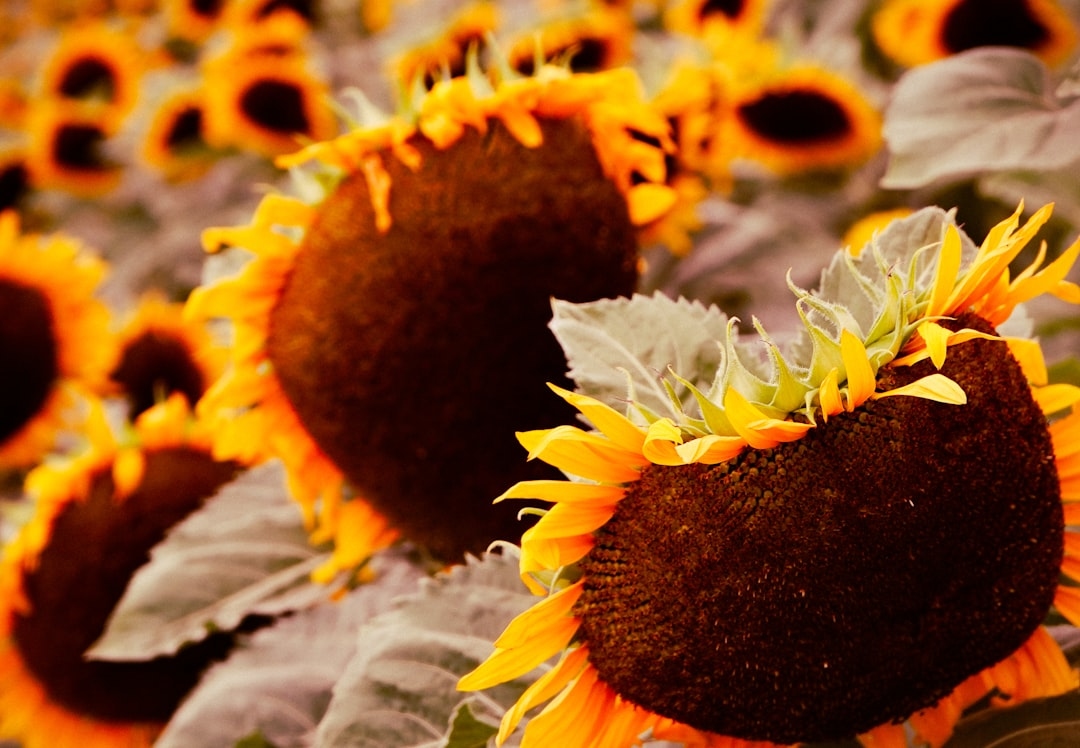
Buying sunflowers from a local farmers market or farm-direct florist during peak season cuts the carbon footprint of a bouquet significantly compared to imported flowers. Several certified sustainable flower programs, including Veriflora and the Rainforest Alliance certification, also cover sunflower growers. If environmental impact matters to you, sunflowers are one of the easiest low-footprint choices in the floral market.
Practical Tips: How to Read the Gesture More Accurately
- Count the stems. A single sunflower is an intimate, personal statement. A full bouquet of 12 or more is celebratory and generous — two very different tones.
- Check what’s mixed in. Sunflowers paired with lavender suggest calm affection. With red roses? That’s a romantic arrangement. With eucalyptus and greenery? Likely a gesture of warmth and wellness.
- Consider the occasion. Sent on your birthday or work anniversary, it’s celebratory. Sent randomly on a Tuesday with no explanation? Someone is thinking about you specifically.
- Look at the card. Even a short note changes everything. “Thinking of you” reads differently than “Couldn’t stop thinking about you.”
Frequently Asked Questions About Sunflower Gifts
What does it mean when a guy sends you sunflowers?
When a man sends sunflowers, it typically signals admiration, warmth, or romantic interest — especially if there’s no obvious occasion like a birthday. Sunflowers are a softer, less pressuring choice than red roses, often used when someone likes you but wants to keep the tone light and positive rather than intense.
Are sunflowers romantic or just friendly?
Sunflowers can be both, depending on context. On their own, they lean toward friendship and admiration. Combined with roses or sent with a personal note, they read as clearly romantic. The arrangement and accompanying message tell you more than the flower alone.
What does a single sunflower mean as a gift?
A single sunflower is a deliberate, personal gesture. It says “I was thinking of you specifically” rather than “I bought a bunch of flowers.” It’s intimate without being over the top, and often more meaningful than a large bouquet precisely because of its simplicity.
Do sunflowers have a specific meaning in different colors?
Classic yellow sunflowers represent happiness, loyalty, and adoration. Darker, burgundy-toned sunflower varieties — such as ‘Moulin Rouge’ or ‘Chocolate Cherry’ — carry a more dramatic, passionate connotation. Red-toned sunflowers are rarer and are often chosen to signal deep affection or a bold romantic statement.
Is it appropriate to send sunflowers for sympathy?
Yes, but with care. Sunflowers are appropriate for expressing support and warmth during grief, particularly if the recipient loved them or if the tone is more “celebrating a life” than somber condolence. For traditional funeral arrangements, white lilies or mixed whites are more conventional. Sunflowers work best as a personal gift to the grieving person directly, not as a formal sympathy display.
What to Do Next If You Received Sunflowers
The honest answer is: the gesture almost certainly means something good. Sunflowers aren’t a throwaway gift — they’re specific, bright, and require someone to think about you. Whether it’s a friend showing up for you, someone testing the romantic waters, or a colleague celebrating your win, sunflowers communicate positivity and intention.
If you’re unsure about the sender’s meaning, the fastest way to find out is to thank them directly and watch how they respond. A warm “those made my whole day — what’s the occasion?” opens a door without any pressure. And if you want to return the gesture sustainably, look for locally grown stems from a regional florist or farmers market — you’ll get a fresher, longer-lasting bouquet while supporting American growers at the same time.