Contents:
- Why People Choose Mixed Bouquets
- The Budget Factor
- Decoding the Mixed Bouquet Meaning by Flower Type
- Roses + Fillers (Baby’s Breath, Greenery)
- Sunflowers + Daisies
- Lilies + Roses
- Wildflower Mixes
- Color Carries More Weight Than You Think
- Regional Differences in Bouquet Gifting Across the US
- Practical Tips for Reading (and Responding to) a Mixed Bouquet
- When the Mixed Bouquet Has a Specific Message
- FAQ: Mixed Bouquet Meaning
- What does a mixed bouquet symbolize?
- Is a mixed bouquet romantic?
- What does it mean when a guy gives you a mixed bouquet?
- Does the number of flowers in a mixed bouquet matter?
- How much should I spend on a mixed bouquet as a gift?
- Make the Most of What You Received
You’re standing in your kitchen, a colorful bundle of flowers in your hands, and you’re not quite sure what just happened. Someone handed you a mix of sunflowers, roses, and something purple you can’t name — and now you’re overthinking it. That’s completely normal. Mixed bouquets are one of the most common floral gifts in the US, yet their meaning gets surprisingly little attention compared to the classic dozen red roses.
The truth is, a mixed arrangement can communicate a lot — or very little — depending on the details. Let’s break it down so you actually know what you’re holding.
Why People Choose Mixed Bouquets
Mixed bouquets outsell single-variety arrangements at most US grocery stores and flower shops. According to the Society of American Florists, cut flowers are a $4+ billion industry annually in the US, and mixed arrangements make up the majority of everyday purchases — largely because they’re versatile and visually striking without requiring the giver to commit to one specific meaning.
That versatility is intentional. A florist building a mixed bouquet can layer in meaning through color, flower type, and proportion. But plenty of givers just ask for “something pretty” in a price range. Knowing which scenario you’re in helps you interpret the gift more accurately.
The Budget Factor
Here’s a quick cost snapshot for US buyers in 2026–2026:
- Grocery store mixed bouquet: $8–$18 (think Trader Joe’s, Whole Foods, Kroger)
- Florist-designed mixed arrangement: $35–$75 for a standard size
- Premium or custom mixed bouquet: $80–$150+
- Online delivery (1-800-Flowers, Teleflora, etc.): $45–$120 including delivery
A $12 grocery store bouquet and a $90 florist arrangement can look equally lovely, but the florist version usually signals more deliberate planning. If someone went out of their way to order ahead and pick it up from a local florist, that extra effort carries its own message.
Decoding the Mixed Bouquet Meaning by Flower Type
The flowers themselves are the real vocabulary here. Most mixed bouquets in the US pull from a fairly consistent palette of readily available blooms. Here’s what the most common ones typically communicate:
Roses + Fillers (Baby’s Breath, Greenery)
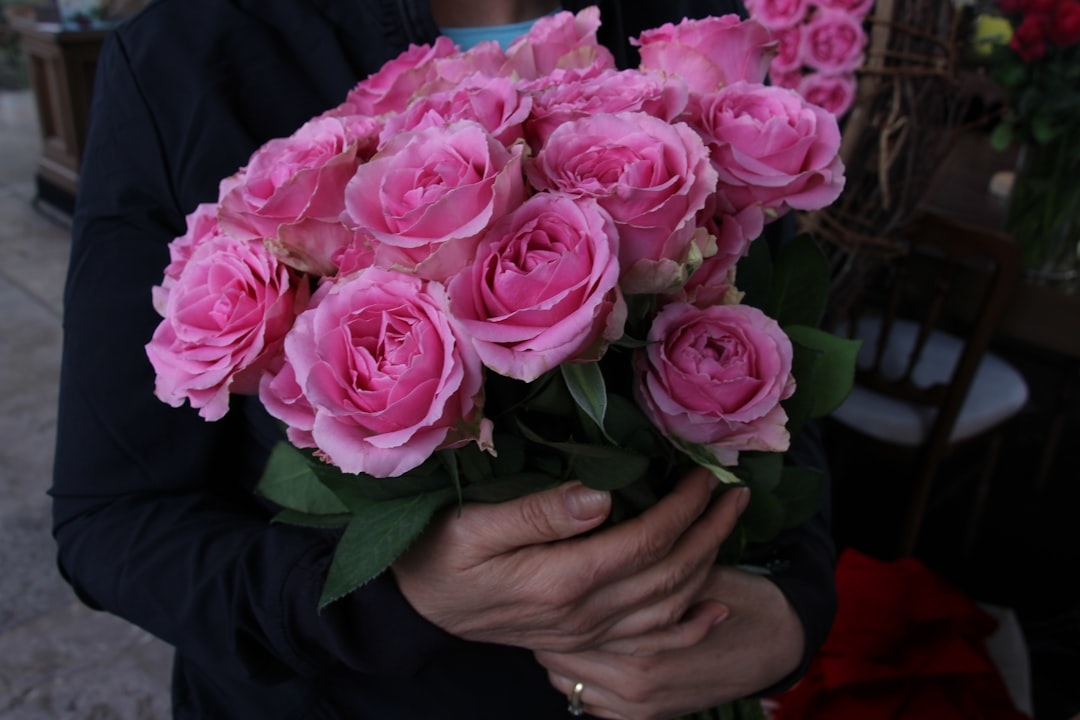
Classic and romantic, but in a mixed context rather than an all-rose bouquet, this combination softens the intensity. It says “you matter to me” without the pressure of “I’m declaring something.” Common for anniversaries, Valentine’s Day, or early-stage romantic interest.
Sunflowers + Daisies
This is a friendship bouquet through and through. Bright, cheerful, zero ambiguity. If someone gave you sunflowers and daisies together, they almost certainly wanted to make you smile — not make a romantic statement. Great for birthdays, get-well gestures, or just-because moments.
Lilies + Roses
This pairing signals elegance and sincere affection. Lilies represent devotion and purity in Western floral tradition. Together with roses, the arrangement reads as emotionally serious — often chosen for milestone birthdays, sympathy, or a deeply felt thank-you.
Wildflower Mixes
Lavender, chamomile, Queen Anne’s lace, and similar “garden” blooms communicate a casual but creative warmth. This person likely put thought into aesthetics. Wildflower bouquets have spiked in popularity since 2020, driven partly by cottagecore trends and partly by their lower price point — usually $15–$30 at a farmers market.
Color Carries More Weight Than You Think
In a mixed bouquet, the dominant color palette often communicates as much as the flower varieties themselves.
- Red and pink dominant: Romantic or deeply affectionate intention
- Yellow and orange dominant: Joy, friendship, and celebratory energy
- Purple and white dominant: Elegance, respect, admiration — often sympathy or professional appreciation
- Pastel mixed: Gentle affection, often used for new babies, spring celebrations, or soft romantic interest
- Bold, contrasting colors with no clear theme: Usually signals the giver prioritized visual impact over symbolic meaning — still a kind gesture, just less coded
Regional Differences in Bouquet Gifting Across the US
Where you live actually influences both what you’re likely to receive and how it’s typically meant. Floral gifting culture isn’t uniform coast to coast.
Northeast (NY, MA, CT): Formal flower gifting is still common here, especially in urban centers. A mixed bouquet in New York City often comes from a deli or corner flower stand — it’s a quick, affectionate gesture with less symbolic weight. Expect lots of roses and tulips mixed together.
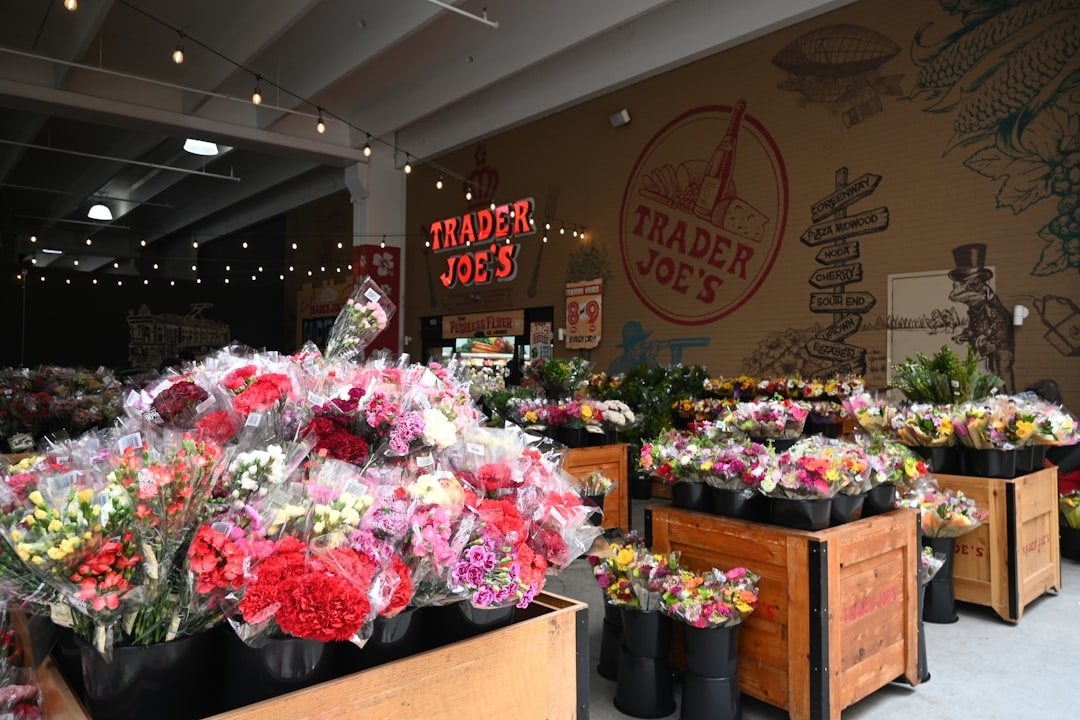
South (TX, GA, SC): Bouquet-giving in Southern states tends to be tied to specific occasions — church events, hospitality, and celebrations. Receiving a mixed arrangement in the South often signals a milestone or a formal expression of care. Gardenia and magnolia accents show up more frequently here.
West Coast (CA, OR, WA): Farmers market culture dominates. Wildflower and seasonal mixed bouquets are the norm, and the gesture tends to be casual and eco-conscious. California-grown dahlias, eucalyptus, and protea show up regularly in West Coast arrangements. The meaning here skews relaxed and personal rather than formal.
Midwest (IL, OH, MN): Practical and sincere. Mixed bouquets in Midwestern gifting contexts often emphasize volume and longevity over rare blooms — expect sturdy chrysanthemums, alstroemeria, and carnations alongside focal flowers.
Practical Tips for Reading (and Responding to) a Mixed Bouquet
You don’t need a floral dictionary. A few simple observations tell you most of what you need to know.
- Check for a note. A handwritten card almost always clarifies intent better than the flowers themselves. If there’s no note, the flowers are doing all the talking.
- Notice the wrapping. A craft-paper-wrapped arrangement from a florist signals more planning than a cellophane-wrapped grocery store bundle — though both are genuinely kind.
- Consider the occasion. The same bouquet means something different at a graduation party versus a quiet Tuesday afternoon visit.
- Look at the size. A small, 5–7 stem arrangement is intimate and personal. A large, statement bouquet of 20+ stems is making a bigger impression — literally.
- Ask, if you’re genuinely curious. Most givers are happy to explain what drew them to a particular arrangement. It usually opens a warm conversation.
When the Mixed Bouquet Has a Specific Message
Sometimes the combination is very intentional. Victorian-era “floriography” — the language of flowers — has seen a quiet revival, and some givers research flower symbolism before buying. A few meaningful combos worth knowing:
- Red rose + white lily + blue delphinium: Passion, purity, and dignity — a layered romantic message
- Sunflower + yellow tulip + chamomile: Pure friendship and cheerfulness with zero romantic subtext
- Purple lavender + white rose + greenery: Admiration and calm affection, often given to mentors or close friends
- Pink peony + ranunculus + dusty miller: A romantic, slightly nostalgic gesture — this combo says “I find you charming”
FAQ: Mixed Bouquet Meaning
What does a mixed bouquet symbolize?
A mixed bouquet generally symbolizes warmth, celebration, or affection. The specific meaning depends on the flowers and colors chosen. Bright, cheerful mixes often express friendship or joy, while deeper-toned arrangements with roses and lilies signal romantic or sincere emotional intent.
Is a mixed bouquet romantic?
It can be, but it isn’t automatically romantic. A mixed bouquet with red or pink roses as the focal flower leans romantic. One built around sunflowers, daisies, or wildflowers is usually a friendly or celebratory gesture. Context and the relationship between giver and receiver matter enormously.
What does it mean when a guy gives you a mixed bouquet?
It typically signals he wanted to do something thoughtful and chose variety over a single strong symbolic statement. If the bouquet includes red roses, there’s likely romantic intent. A more colorful, casual mix usually means he cares about you and wanted to brighten your day — not necessarily a declaration of love.
Does the number of flowers in a mixed bouquet matter?
In the US, the number of stems is less codified than in some European or Asian cultures. However, 12 stems still carries a “classic romantic” association, while odd numbers (7, 9, 11) often appear in artisan or florist arrangements and signal a design-forward choice rather than a specific symbolic count.
How much should I spend on a mixed bouquet as a gift?
For a casual or friendship gift, $15–$30 is perfectly appropriate. For a romantic gesture or milestone celebration, $45–$80 from a local florist is a comfortable range. If you’re ordering delivery through an online service, add $10–$20 for shipping. Grocery store bouquets in the $10–$18 range are completely acceptable for spontaneous, everyday kindness.
Make the Most of What You Received
Now that you can read your bouquet more clearly, there’s one more thing worth knowing: mixed arrangements last longer when you treat each flower type individually. Recut stems at a 45-degree angle, remove any leaves below the waterline, and change the water every two days. Sunflowers and chrysanthemums are hardy and can last 10–14 days. Roses and peonies typically peak at 5–7 days. Keep the vase away from direct sunlight and fruit (ethylene gas from ripening fruit shortens flower life).
If you want to return the gesture someday, a thoughtfully chosen mixed bouquet from a local florist — even one in the $35–$50 range — communicates more care than a pricier pre-packaged option. Tell the florist the occasion and your relationship to the person. They’ll do the rest.