Contents:
- The Science Behind Why Blue Roses Are Rare
- Varieties Often Sold as Blue Roses
- Core Blue Rose Meaning: What This Flower Symbolizes
- Blue Rose Meaning by Shade
- Cultural and Historical Context
- When to Give a Blue Rose: Practical Gifting Guide
- Ideal Occasions
- Quick Cost Breakdown for Blue Rose Arrangements (US Market)
- Growing Blue-Toned Roses in Your Garden
- Common Mistakes to Avoid
- Frequently Asked Questions About Blue Rose Meaning
- What does a blue rose symbolize?
- Is it appropriate to give blue roses romantically?
- What is the difference between blue and purple roses in meaning?
- Are blue roses real or dyed?
- What do blue roses mean at a funeral or memorial?
- Bringing Blue Rose Meaning Into Your Practice
Have you ever held a blue rose and wondered why it feels different from any other flower you’ve ever given or received? The blue rose meaning carries centuries of longing, scientific ambition, and layered symbolism that no other bloom quite matches. Blue roses don’t exist in nature—not truly—and that absence is precisely what makes them so powerful as symbols.
For the hobbyist gardener who already understands soil pH and seasonal pruning, blue roses represent a fascinating intersection of botany, culture, and human desire. Understanding what they communicate can sharpen how you use them in your garden, your arrangements, and your relationships.
The Science Behind Why Blue Roses Are Rare
Roses lack the genetic machinery to produce delphinidin, the pigment responsible for true blue coloration in flowers like delphiniums and morning glories. Their petals cannot synthesize this compound naturally, which is why every “blue” rose you see in a florist’s cooler is either dyed, genetically engineered, or a deep purple variety marketed as blue.
In 2004, the Japanese company Suntory and Australian biotech firm Florigene made headlines by introducing a genetically modified rose carrying the delphinidin gene from pansies. Even so, the resulting bloom lands closer to lilac than a true cobalt blue. Achieving a genuinely vivid blue rose remains an open horticultural challenge—which reinforces everything the flower symbolizes culturally.
Varieties Often Sold as Blue Roses
- Blue Moon – A hybrid tea rose with silvery-lavender blooms, widely available at garden centers, typically $8–$15 per bare-root plant.
- Rhapsody in Blue – A shrub rose with violet-purple flowers and a strong fragrance, suited to USDA Hardiness Zones 5–9.
- Blue Girl – Another hybrid tea with mauve-blue tones, popular in cut flower arrangements.
- Dyed blue roses – White roses soaked in blue dye or spray-painted; commonly found at florists priced between $4–$9 per stem, or $35–$75 for a dozen.
Core Blue Rose Meaning: What This Flower Symbolizes
The symbolism of blue roses clusters around a few persistent themes. Mystery is the most recognized. Because the flower defies easy natural explanation, it has long been associated with the unknown, the magical, and the genuinely surprising.
The unattainable is another core meaning—the thing you reach for but can never quite hold. In Victorian flower language, or floriography, a blue rose sent to someone meant “I cannot have you” or “you are extraordinary beyond what is possible.” This made them a romantic gesture for admirers who knew their love was unrequited.
More optimistically, blue roses also stand for new beginnings and limitless possibility. Gift one to someone starting a business, moving to a new city, or embarking on an ambitious creative project. The message is: this is uncharted territory, and that’s exactly why it matters.
Blue Rose Meaning by Shade
Not all blue roses carry the same emotional weight. Shade matters—both botanically and symbolically.
- Pale blue / icy blue – Tranquility, calm, and emotional clarity. Appropriate for sympathy arrangements or post-surgery recovery gifts.
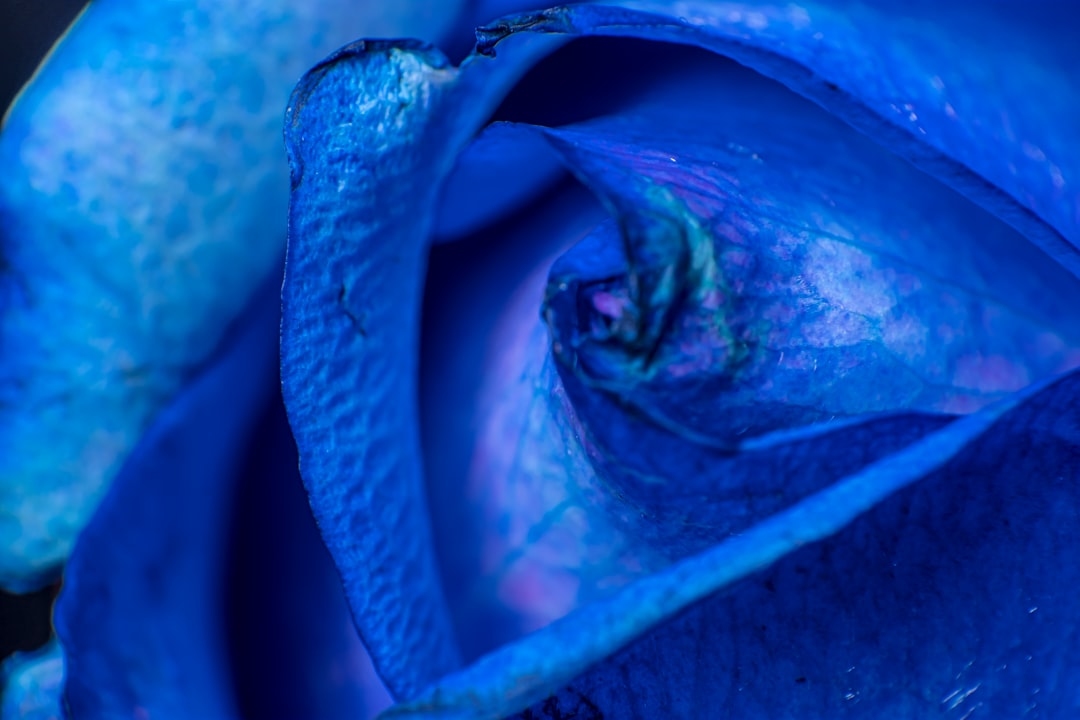
- Vivid cobalt blue (typically dyed) – Bold mystery, fascination, and intensity of feeling. Often used in dramatic event florals.
- Lavender-blue – Love at first sight, enchantment, and gentle wonder. The most romantic reading of the blue rose family.
- Deep navy or indigo – Depth, wisdom, and introspection. A meaningful choice for milestone birthday arrangements for someone turning 50 or 60.
Cultural and Historical Context
Blue rose symbolism appears across multiple cultures, each adding its own layer. In Chinese culture, blue roses are associated with prosperity and good fortune in the face of difficult odds. In Western Romantic literature of the 19th century, the blue rose became a shorthand for impossible dreams—appearing in poems by writers who used it to describe longing for something pure and untouchable.
In Japan, where Suntory’s engineered rose was first commercialized, the blue rose is sold under the name Applause and marketed explicitly as a symbol of the impossible becoming possible. A single stem retailed for approximately ¥2,000–¥3,000 (roughly $15–$22 USD) at its peak commercial debut—a price point that reinforced its status as something rare and aspirational.
When to Give a Blue Rose: Practical Gifting Guide
Context shapes meaning. Giving a blue rose without awareness of its symbolism can create confusion; giving one with intention can be deeply memorable.
Ideal Occasions
- Graduations – Celebrates achievement of something that once seemed out of reach.
- New business launches – Signals ambition and the courage to pursue the unprecedented.
- Creative milestones – A finished novel, a gallery opening, a debut album.
- Romantic gestures with depth – When “I love you” feels insufficient and you want to convey genuine wonder at the other person.
- Memorials or tribute arrangements – Pale blue roses in funeral flowers acknowledge mystery and the unknown nature of what lies beyond.
Quick Cost Breakdown for Blue Rose Arrangements (US Market)
- Single dyed blue stem from a florist: $5–$10
- Dozen dyed blue roses, arranged: $40–$85
- Blue rose plant (shrub variety, nursery): $12–$30
- Luxury arrangement featuring blue and white: $90–$160
- Same-day delivery premium (major US cities): add $15–$25
Growing Blue-Toned Roses in Your Garden
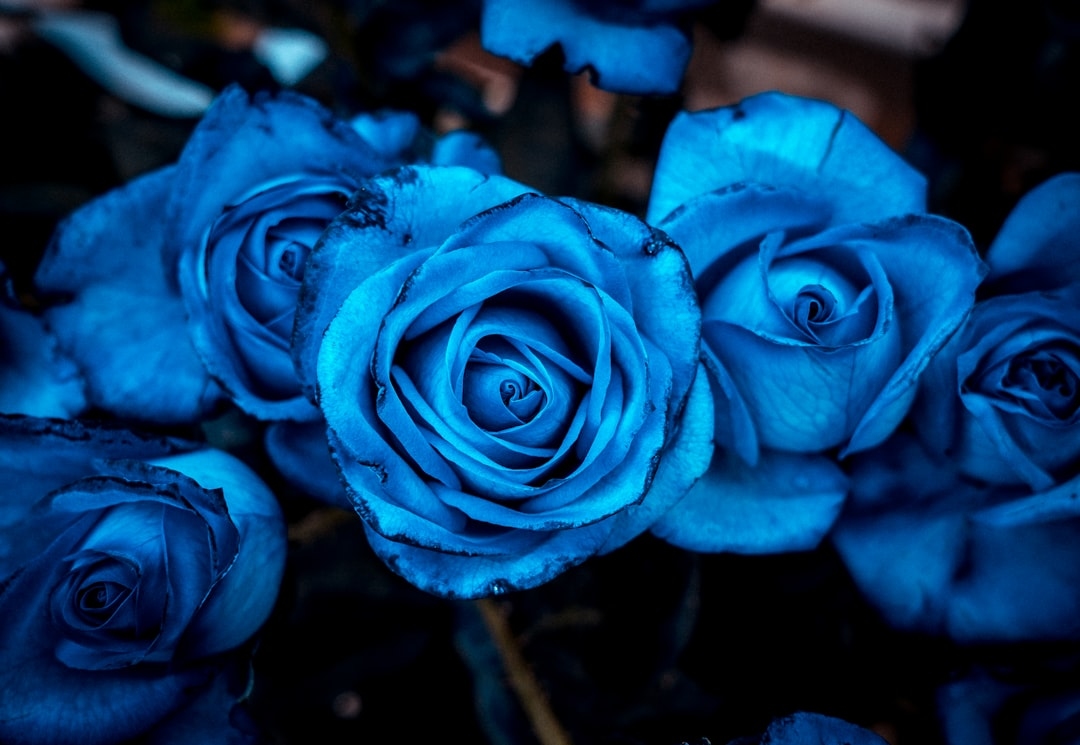
For hobbyist gardeners wanting to grow blue-adjacent roses, the lavender-to-blue spectrum is achievable without genetic engineering. Varieties like Rhapsody in Blue perform well in full sun with at least 6 hours of direct light daily. They prefer slightly acidic soil with a pH between 6.0 and 6.5—a range you can verify with an inexpensive soil test kit ($8–$15 at most garden centers).
Cooler growing climates tend to intensify the blue-purple tones. Gardeners in USDA Zones 5–7 often report richer pigmentation than those in warmer zones, where heat can push the blooms toward pink. Watering consistently at the base—about 1 inch per week—and avoiding overhead irrigation will help maintain petal color intensity and reduce fungal problems.
Common Mistakes to Avoid
- Assuming all “blue” roses are the same: Lavender, lilac, and dyed blue all carry different visual weight and symbolism. Clarify with your florist before ordering.
- Pairing blue roses with red in romantic arrangements: Red typically dominates the symbolism. If the blue rose meaning is your intent, use white, cream, or silver foliage as companions instead.
- Planting blue varieties in alkaline soil: Soil with pH above 7.0 weakens blue-purple tones significantly. Always amend before planting.
- Overwatering dyed cut roses: Excess water causes dye to bleed and the color to fade within 24–48 hours. Keep vase water cool and change it daily.
- Treating lavender roses as synonymous with blue: They carry similar but distinct symbolism—lavender leans toward enchantment and admiration, while blue leans toward mystery and the impossible.
Frequently Asked Questions About Blue Rose Meaning
What does a blue rose symbolize?
A blue rose symbolizes mystery, the unattainable, new beginnings, and deep wonder. Because true blue roses don’t exist in nature, they represent pursuing something rare or extraordinary.
Is it appropriate to give blue roses romantically?
Yes. Lavender-blue roses in particular symbolize love at first sight and enchantment. They’re a meaningful choice when you want to express that the person seems extraordinary or almost unreal in how special they are to you.
What is the difference between blue and purple roses in meaning?
Purple roses symbolize majesty, admiration, and opulence. Blue roses lean more toward mystery and the impossible. The distinction matters when choosing between deep lavender varieties—which shade you select sends a different message.
Are blue roses real or dyed?
Most commercially available blue roses are dyed white roses or deep-purple varieties marketed as blue. A genetically modified blue rose exists (Suntory’s Applause), but it’s not widely available in the US and skews lavender rather than true blue.
What do blue roses mean at a funeral or memorial?
Pale blue roses in sympathy arrangements convey peace, calm, and acknowledgment of mystery. They’re an alternative to white when you want to honor someone whose life felt genuinely rare or one-of-a-kind.
Bringing Blue Rose Meaning Into Your Practice
The blue rose meaning rewards those who engage with it deliberately. Whether you’re selecting a variety for your cutting garden, composing an arrangement for a milestone occasion, or simply trying to understand what you received from someone, the blue rose asks you to sit with ambiguity and find beauty there.
For your next step: visit a local nursery and ask to see their blue-toned rose selection in person. The difference between a pale lavender hybrid tea and a deep violet shrub rose is striking in direct light—and that difference will shape which meaning lands most authentically in your garden and your gifting. If you’re serious about growing blue-adjacent roses, start with Rhapsody in Blue in a well-amended bed and track how your local climate influences the petal color across the season. You may find the pursuit of the impossible more rewarding than you expected.