Contents:
- A Quick History of Lilac Symbolism
- What the Color of the Lilacs Tells You
- Lilacs Gift Meaning by Relationship Type
- From a Romantic Partner or Someone Interested in You
- From a Friend or Family Member
- From Someone Who Grew Up With Lilacs
- Regional Differences in Lilac Giving Across the US
- Lilacs vs. Wisteria: A Common Confusion
- Practical Tips for Responding to a Lilac Gift
- FAQ: Lilac Gift Meaning
- What does it mean when someone gives you purple lilacs?
- Are lilacs appropriate for sympathy or funerals?
- What is the lilacs gift meaning in a friendship context?
- Why are lilacs considered a meaningful gift compared to roses?
- Can lilacs be sent as a gift for a birthday?
- The Bottom Line on Lilacs as a Gift
Most people assume lilacs are just a pretty spring flower — something grabbed from a garden or a grocery store bouquet rack without much thought. That assumption is wrong. Lilacs carry one of the most layered symbolic histories in the floral world, and the person who sent them may be communicating something far more intentional than you realize. Understanding the lilacs gift meaning can change how you read the gesture entirely.
A Quick History of Lilac Symbolism
Lilacs have been assigned meaning since at least the Victorian era, when the “language of flowers” — called floriography — was a genuine social code. Sending flowers wasn’t decoration; it was communication. Lilacs, classified under Syringa vulgaris, were among the most loaded blooms in that system.
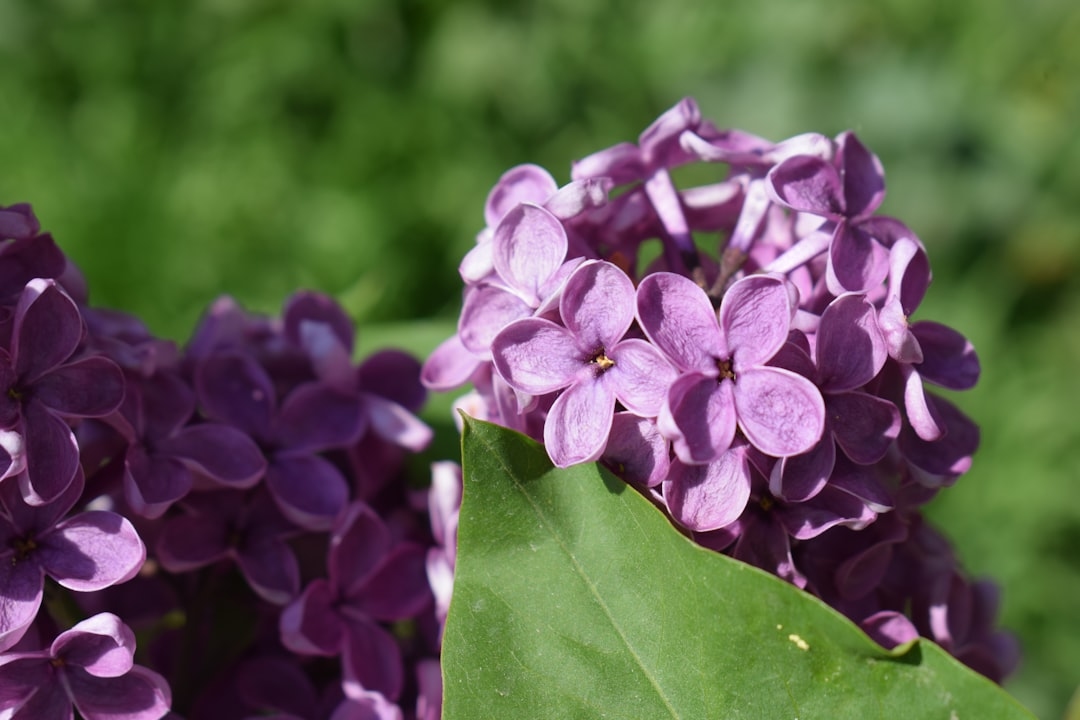
Purple lilacs traditionally signified first love or the emotions of early romance — that particular mix of excitement and uncertainty. White lilacs meant innocence or youthful purity. Magenta and deep violet varieties leaned toward spiritual protection and remembrance. These weren’t arbitrary — the Victorians cross-referenced color symbolism with the flower’s natural associations: brief bloom time, intoxicating scent, spring arrival.
That brevity matters. Lilacs bloom for roughly 2 to 3 weeks per year. A gift of lilacs says something about the moment itself — that it’s precious, maybe fleeting.
What the Color of the Lilacs Tells You
Don’t overlook color. The specific shade in that bouquet isn’t accidental, especially if the sender took time to select it.
- Purple lilacs: The most common. Associated with first love, nostalgia, and emotional depth. Often sent between people with romantic history or new romantic interest.
- White lilacs: Purity, new beginnings, sympathy. Appropriate for graduations, new babies, or condolence arrangements.
- Pink lilacs: Youthful affection and friendship. Less intense than purple, often given between close friends or to younger recipients.
- Blue lilacs: Rare and striking. Associated with serenity and loyalty — a more considered, deliberate emotional message.
Lilacs Gift Meaning by Relationship Type
Context shapes everything. A bouquet of lilacs from a coworker lands differently than the same bouquet from an ex.
From a Romantic Partner or Someone Interested in You
This is the most emotionally loaded context. Purple lilacs, in particular, have a centuries-old association with early romantic feeling. If someone you’ve been dating for a short time sends lilacs, they may be signaling that they feel something significant — more than casual. It’s a historically informed choice, even if the sender doesn’t know the Victorian background.
From a Friend or Family Member
White or pink lilacs in this context usually signal celebration, care, or a desire to mark a milestone. If there’s no obvious occasion, the sender likely just wanted to say they were thinking of you. Lilacs are a more personal choice than roses or tulips — harder to find, seasonal, and specific.
From Someone Who Grew Up With Lilacs
For many senders, lilacs are purely nostalgic. They grew up with a lilac bush in the backyard, and giving them is an act of sharing something intimate. That’s worth recognizing regardless of romantic implication.
Regional Differences in Lilac Giving Across the US
Where someone lives shapes both the availability and the cultural weight of lilacs as a gift.
In the Northeast — particularly New England — lilacs are deeply rooted in regional identity. New Hampshire’s state flower is the purple lilac, and communities there have cultivated them for over 200 years. Receiving lilacs in the Northeast often carries genuine local pride alongside the emotional symbolism.
In the South, lilacs are less common because most varieties require cold winters (typically 6 to 8 weeks below 45°F) to bloom. A Southerner who gifts lilacs likely ordered them specifically or sourced them from a specialty florist — which signals deliberate effort and elevated cost, usually $15–$40 more than in northern regions.
On the West Coast, particularly in the Pacific Northwest, newer heat-tolerant lilac cultivars like ‘Bloomerang’ have expanded availability. Gifting lilacs there is becoming more common in spring, though the emotional symbolism remains less culturally embedded than in New England.
🌿 What the Pros Know
Experienced florists will tell you that lilacs are one of the hardest cut flowers to condition properly. They wilt fast unless the stems are cut at a 45-degree angle and immediately placed in warm water mixed with a teaspoon of sugar per quart. A sender who chose lilacs despite their short vase life (typically 4–7 days) chose them on purpose. That intentionality is part of the message.
Lilacs vs. Wisteria: A Common Confusion
People frequently confuse lilacs and wisteria — both bloom in spring, both feature cascading purple flowers, and both have a strong fragrance. But their symbolism diverges sharply.
Wisteria traditionally represents obsessive devotion, long life, and sometimes a love that’s enduring but painful. In Japanese floral symbolism (hanakotoba), wisteria signals a clinging or melancholic attachment. Lilacs, by contrast, point toward first love, innocence, and brief but beautiful feeling.
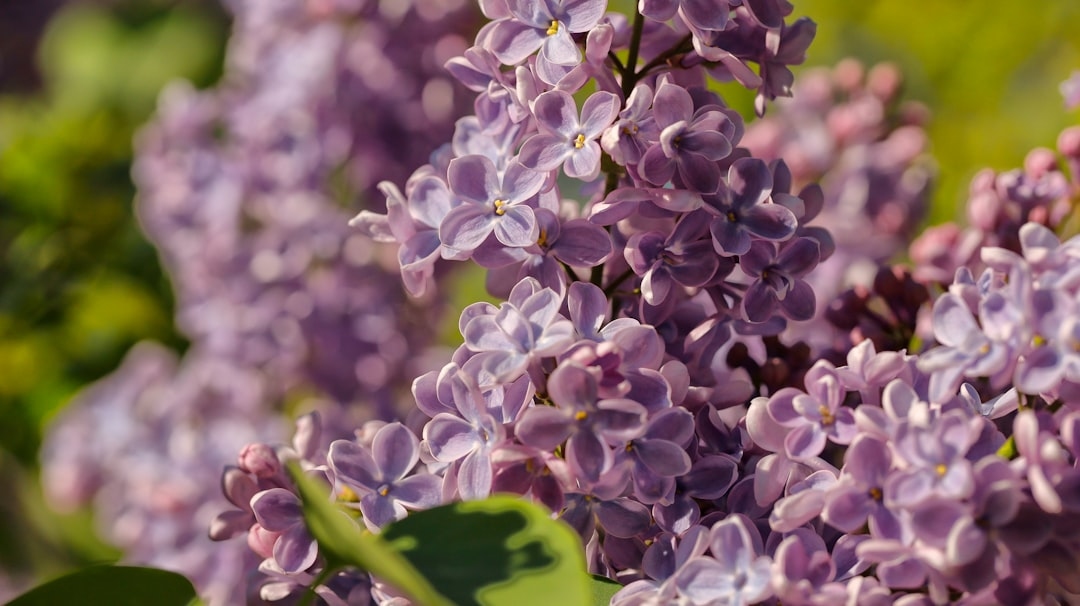
If someone sent you actual lilacs — clusters of small, four-petaled florets on upright panicles — the message is emotionally lighter and more hopeful than wisteria’s heavier symbolism. Check the bloom structure if you’re unsure: lilac clusters point upward; wisteria droops in long hanging racemes.
Practical Tips for Responding to a Lilac Gift
- Acknowledge the effort. Lilacs are seasonal and not always easy to find. A simple “these are my favorite spring flower” response undervalues the gesture. Mention that you appreciate the specific choice.
- Ask about origin if appropriate. If the relationship allows it, ask if they grew up around lilacs. The answer often reveals more about the sender’s intent than the flowers themselves.
- Don’t over-romanticize automatically. Not every lilac gift is a love declaration. Read it alongside tone, timing, and your existing relationship dynamic.
- Care for them properly. Re-cut stems, remove leaves below the waterline, and change water every 2 days. A lilac bouquet that lasts 6 days instead of 3 is a small but satisfying way to honor someone’s gesture.
FAQ: Lilac Gift Meaning
What does it mean when someone gives you purple lilacs?
Purple lilacs traditionally represent first love and the deep emotions of early romance. Receiving them often signals that the sender has genuine or nostalgic romantic feeling toward you, though context always matters.
Are lilacs appropriate for sympathy or funerals?
White lilacs are considered appropriate for sympathy arrangements. They symbolize innocence and peace. Purple lilacs are generally avoided in funeral contexts due to their romantic associations.
What is the lilacs gift meaning in a friendship context?
Pink and white lilacs are most common between friends. They communicate affection, celebration, and care without romantic implication. If a friend sends purple lilacs, consider whether the relationship has shifted or whether they simply chose them for the fragrance and season.
Why are lilacs considered a meaningful gift compared to roses?
Lilacs are seasonal, regionally variable, and harder to source than roses — which are available year-round from commercial growers. Choosing lilacs requires more deliberate effort, which adds weight to the gesture. They also carry specific historical symbolism that roses don’t share.
Can lilacs be sent as a gift for a birthday?
Yes. Lilacs are traditional birth flowers for May. Sending lilacs for a May birthday is both seasonally appropriate and symbolically fitting. For birthdays in other months, they still work as a spring seasonal gift, especially for recipients who appreciate flowers with layered meaning.
The Bottom Line on Lilacs as a Gift
Understanding the lilacs gift meaning means reading three things at once: the color, the relationship, and the effort. Someone who sourced lilacs out of season, selected a specific color, or chose them over easier alternatives is making a statement. Take the time to decode it properly. And if you’re ever on the sending end — know that a well-chosen bunch of lilacs, properly cared for, communicates more than a generic bouquet ever could. Consider starting with a spring visit to a local nursery to find a cutting-garden variety like ‘Miss Kim’ or ‘Sensation’ — so next time, you can grow the message yourself.