Contents:
- The Cultural Roots of Cherry Blossom Meaning
- Core Cherry Blossom Symbolism: What Each Meaning Represents
- Impermanence and the Acceptance of Change
- Renewal and New Beginnings
- Love and Romance
- Strength and Courage
- Cherry Blossom vs. Peach Blossom: A Common Source of Confusion
- Bringing Cherry Blossom Symbolism Into a Small Space
- Common Mistakes to Avoid
- The Eco-Friendly Side of Cherry Blossom Culture
- FAQ: Cherry Blossom Symbolism
- What does a cherry blossom tattoo symbolize?
- What does a cherry blossom mean in love?
- What color cherry blossom has the strongest symbolic meaning?
- Are cherry blossoms lucky?
- What does a falling cherry blossom mean?
- Take the Symbolism With You
Cherry blossoms last an average of just 7 to 14 days. That fleeting window — barely two weeks of peak bloom — is not a flaw in the design. It is the entire point. The Japanese have a word for it: mono no aware, loosely translated as “the bittersweet awareness of impermanence.” For over a thousand years, this fragile flower has carried the weight of that idea. And understanding cherry blossom symbolism means understanding why something so temporary can feel so profound.
The Cultural Roots of Cherry Blossom Meaning
The cherry blossom — known as sakura in Japanese — has been a central symbol in Japanese culture since at least the 8th century. The Man’yōshū, Japan’s oldest poetry anthology compiled around 759 AD, references sakura dozens of times. For the Imperial court, the blossoms represented the divine and the noble. By the Edo period (1603–1868), the tradition of hanami — flower-viewing picnics beneath blooming trees — had spread from aristocracy to everyday people.
In China, where cherry blossoms are called yīng huā, the flower carries its own distinct weight. There, it symbolizes feminine beauty, love, and the power that can exist within softness. The Chinese poetic tradition links cherry blossoms to courage and strength precisely because the tree blooms in the cold, often before its own leaves appear.
In Korea, the cherry blossom (beotkkot) stands for purity and the beauty of life. Spring blossom festivals draw millions of visitors annually, particularly along the famous Jinhae Gunhangje route, where over 300,000 cherry trees line the streets.
Core Cherry Blossom Symbolism: What Each Meaning Represents
Cherry blossoms do not carry a single meaning — they carry a constellation of meanings, and context shapes which one takes center stage.
Impermanence and the Acceptance of Change
This is the deepest layer of cherry blossom symbolism. The blossoms peak brilliantly, then fall within days. Rather than representing loss or sadness, this cycle is read as an invitation to be present. Mindfulness practitioners and therapists sometimes reference this symbolism when helping clients accept life transitions — job changes, relationships ending, children growing up.
Renewal and New Beginnings
In Japan, the school year and fiscal year both begin in April, precisely when the sakura blooms. The timing is deliberate. Cherry blossoms have become the visual shorthand for fresh starts — graduations, new jobs, new chapters. If you’ve ever received cherry blossom artwork as a gift during a life transition, this is the meaning the giver almost certainly intended.
Love and Romance
A single cherry blossom petal is a classic romantic symbol across East Asian cultures. Pink blossoms, in particular, are associated with gentle affection and new love. In the Victorian “language of flowers” (floriography), cherry blossoms specifically signaled a good education and spiritual beauty — a slightly different but equally tender interpretation.
Strength and Courage
This one surprises people. The same tree that symbolizes fragility also represents resilience. Cherry trees bloom in late winter or early spring, often pushing through frost. In Japanese warrior culture, the samurai identified with the sakura — a short, vivid life lived with full commitment. The flower appears on Japanese 100-yen coins for this reason.
Cherry Blossom vs. Peach Blossom: A Common Source of Confusion
Many people mix up cherry blossoms and peach blossoms — and the confusion is understandable. Both bloom in spring, both come in shades of pink and white, and both appear widely in Asian art. But the symbolism diverges significantly.
Peach blossoms in Chinese culture specifically symbolize longevity, luck, and immortality. They’re associated with the Taoist concept of paradise — the “peach garden” of the immortals. Cherry blossoms, by contrast, carry the theme of transience and present-moment beauty. A peach blossom on a greeting card says “long life and prosperity.” A cherry blossom says “this moment is precious — don’t miss it.”
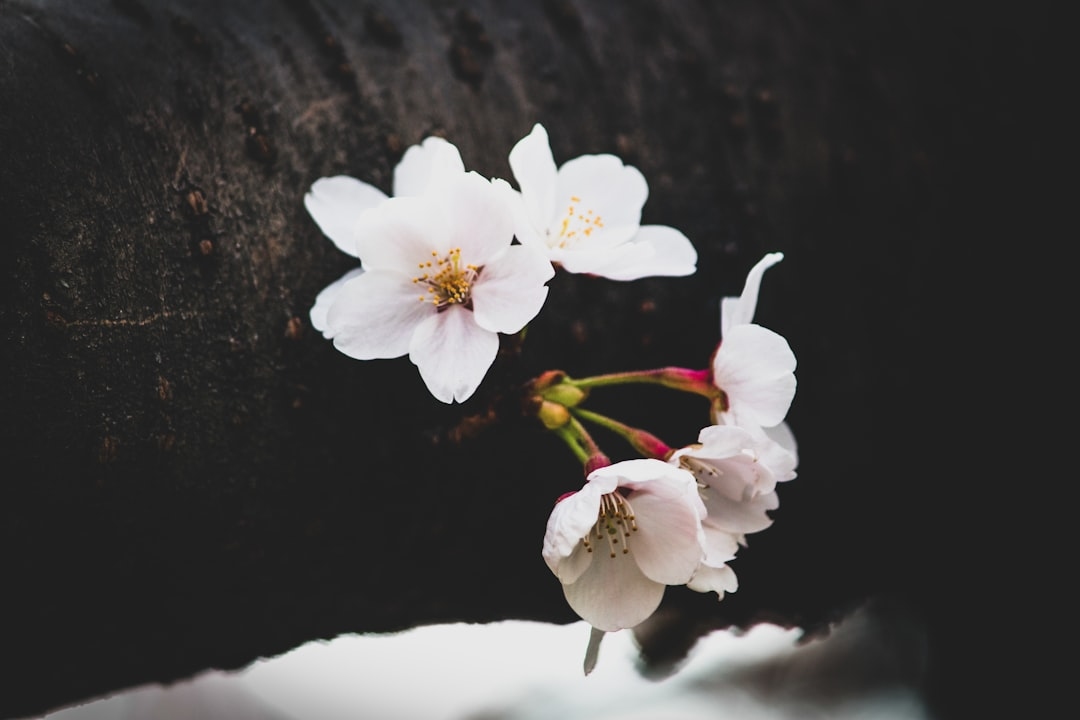
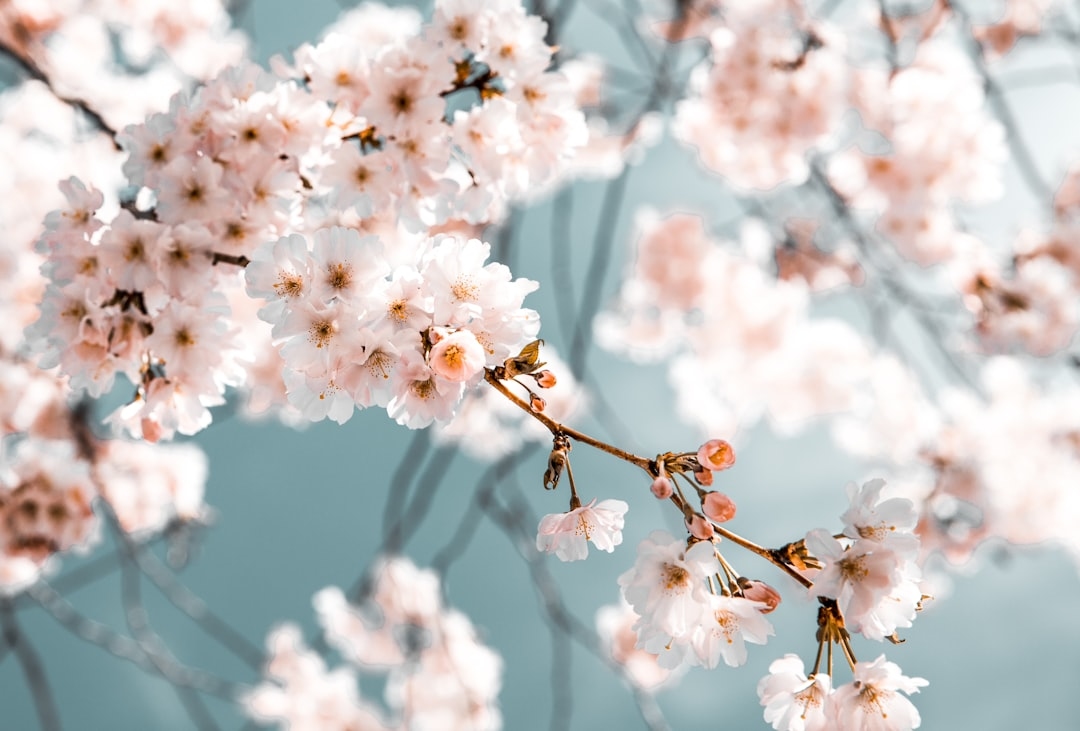
Visually, peach blossoms tend to be slightly larger, with more deeply notched petals and a stronger pink color. Cherry blossoms are typically more delicate, often white or very pale pink, with a small notch at the tip of each petal. If you’re choosing botanical prints for a small apartment wall, knowing this distinction helps you select the meaning you actually want to display.
Bringing Cherry Blossom Symbolism Into a Small Space
You don’t need a backyard or a sprawling garden to bring this symbolism home. In a small apartment, a few well-chosen elements can carry significant meaning without visual clutter.
- Forced branches: A single branch of Yoshino cherry (Prunus × yedoensis) forced in a vase in late winter will bloom indoors for 1 to 2 weeks. A 24-inch branch typically costs $8–$15 at a florist in late February or March.
- Botanical prints: A framed 8×10 sakura print on a single wall communicates the symbolism without overwhelming a small room. Stick to one focal piece rather than multiple competing images.
- Dwarf cherry trees: The ‘Hiromi’ dwarf cherry variety grows 4–6 feet tall and thrives in a large container (at least 15 gallons). It blooms in USDA Hardiness Zones 5–8 and can live on a balcony or near a bright window.
- Ceramics and textiles: A single sakura-patterned ceramic mug or a cushion cover with a subtle blossom motif is an understated way to keep the symbolism present in daily life.
Common Mistakes to Avoid
Cherry blossom symbolism is rich, but it’s easy to misread or misuse it in decor and gifting contexts.
- Assuming all pink flowers are interchangeable: Gifting peach blossoms when you mean cherry blossoms (or vice versa) sends a different message entirely — especially in Chinese cultural contexts where floral symbolism is more codified.
- Over-accessorizing: Cherry blossom symbolism is rooted in simplicity and restraint. A room filled with 12 different sakura items loses the quiet power of one or two. Less is genuinely more here.
- Conflating Japanese and Chinese meanings: While both cultures revere the cherry blossom, the symbolic emphasis differs. In Japanese tradition, impermanence is central. In Chinese tradition, feminine strength and love take precedence. If you’re giving a gift with cultural intention, know which tradition you’re drawing from.
- Buying out-of-season cut blossoms without checking sourcing: Cherry blossoms flown in from overseas in December may arrive wilted after a long supply chain. When in doubt, ask your florist about origin and condition.
The Eco-Friendly Side of Cherry Blossom Culture
Japan’s hanami tradition has faced environmental criticism in recent decades. Single-use plastic picnic ware and litter beneath famous blossom spots became a growing problem in the 2010s. Many local governments now enforce strict cleanup rules, and sustainable hanami kits — reusable mats, bamboo chopsticks, and compostable packaging — have become commercially popular.
If you want to grow your own cherry blossom experience sustainably, consider a native North American species like Prunus serotina (black cherry), which supports over 450 species of butterflies and moths according to entomologist Doug Tallamy’s research. It blooms in May with small white flowers and carries its own quiet beauty without the import footprint. For container gardening in a small space, look for grafted dwarf varieties from nurseries certified by the Sustainable Agriculture Research & Education (SARE) program.
FAQ: Cherry Blossom Symbolism
What does a cherry blossom tattoo symbolize?
A cherry blossom tattoo most commonly represents the impermanence of life, beauty, and the value of living in the present moment. In Japanese tattoo tradition (irezumi), it often symbolizes the acceptance of mortality and the courage to live fully. Pink blossoms tend to emphasize love and femininity, while white blossoms lean toward purity and spirituality.
What does a cherry blossom mean in love?
Cherry blossoms are associated with gentle, new love and romantic beauty — particularly in Japanese and Chinese cultural contexts. The brief bloom period can also represent the intensity of early romance: vivid, beautiful, and not to be taken for granted. Giving cherry blossom flowers or artwork to a partner signals affection and an appreciation for the present moment you share.
What color cherry blossom has the strongest symbolic meaning?
Pale pink and white are the most symbolically significant colors. White cherry blossoms are linked to purity and spiritual clarity. Light pink blossoms represent love, new beginnings, and gentle strength. Deeper pink varieties exist but carry less codified symbolic weight in traditional texts.
Are cherry blossoms lucky?
In Japanese culture, cherry blossoms are considered auspicious — they signal the arrival of spring, new beginnings, and positive change. In Chinese tradition, they carry luck in love and are associated with feminine power and beauty. In both contexts, encountering cherry blossoms in full bloom is generally seen as a good omen.
What does a falling cherry blossom mean?
A falling cherry blossom petal is one of the most iconic images in Japanese aesthetics. It represents mono no aware — the poignant beauty of things that do not last. Rather than signaling sadness, it’s meant to evoke gratitude for what exists right now. In meditation and mindfulness practices, the falling petal is sometimes used as a visual anchor for accepting impermanence.
Take the Symbolism With You
Cherry blossom symbolism has endured for over a millennium because it speaks to something genuinely human: the awareness that beautiful things are temporary, and that this makes them more worth noticing. Whether you’re marking a life transition, decorating a small apartment with intention, or simply trying to understand a piece of art or a tattoo, the meaning is consistent at its core — cherry blossom symbolism is an invitation to pay attention while you still can.
Start small. Find one cherry blossom element — a branch, a print, a plant — that resonates with you. Place it somewhere you’ll see it daily. Let it do what it has always done: remind you that the moment you’re in right now is the one worth showing up for.