Contents:
- The Most Common Reasons Someone Leaves a Flower on Your Desk
- Romantic Interest
- Appreciation and Gratitude
- Sympathy or Support
- Friendship and Celebration
- Reading the Flower: What Different Blooms Signal
- Regional Differences in Flower-Giving Culture
- A Reader’s Story: When a Flower Said Everything
- What the Pros Know: The One-Stem Rule
- How to Respond When You Find a Flower on Your Desk
- If You Know Who Left It
- If You Don’t Know Who Left It
- If It Made You Uncomfortable
- Frequently Asked Questions
- What does it mean when someone leaves a single flower on your desk?
- Does a flower on your desk always mean romantic interest?
- What flower is most commonly left as a romantic gesture at work?
- Should I say something if I find a flower on my desk?
- What does it mean if the flower has no note?
- Making Sense of the Gesture — and What Comes Next
You sit down at your desk Monday morning, coffee in hand, and there it is — a single stem resting quietly against your keyboard. No note. No explanation. Just a flower. The flower on desk meaning isn’t always obvious, and that ambiguity is exactly what makes it so fascinating. Is it romantic? Friendly? A silent apology? The answer depends on more than you might expect.
Flowers have carried coded messages for centuries. The Victorian practice of floriography — assigning specific meanings to different blooms — turned flower-giving into a full language. That tradition hasn’t disappeared. It’s just gone casual, migrating from formal parlors into open-plan offices and college dorm hallways. Understanding what a flower left on your desk might mean requires reading several signals at once: the type of flower, the relationship you have with the giver, and even the region of the country you’re in.
The Most Common Reasons Someone Leaves a Flower on Your Desk
Before reading too much into the gesture, it helps to know the full range of reasons people do this. Most fall into one of four categories.
Romantic Interest
A single flower left anonymously — or by someone you’ve been talking to more than usual lately — is one of the oldest expressions of romantic interest. Red roses are the classic choice, but a single tulip, a ranunculus, or even a sunflower carries similar weight depending on context. Research from the Society of American Florists found that nearly 58% of Americans associate flower-giving with romantic gestures, making this the first interpretation most people jump to. If the flower arrived without a card, that anonymity is often intentional — it’s a low-stakes way to signal interest without full vulnerability.
Appreciation and Gratitude
Not every flower signals romance. Colleagues leave flowers on desks after a teammate pulls them through a deadline, after someone covers a shift, or simply to say thank you in a way that feels more personal than a Slack message. Yellow flowers — daisies, sunflowers, or yellow tulips — appear frequently in this context. Yellow has long been associated with warmth and platonic care, and a sprig of yellow freesia on your desk almost certainly means someone noticed something you did and wanted to acknowledge it.
Sympathy or Support
If you’ve recently been through something difficult — a loss, a health scare, a rough stretch at work — a flower left quietly on your desk is sometimes a person’s way of saying “I see you” without forcing a conversation. White lilies, white chrysanthemums, and soft lavender stems are the flowers most commonly chosen for this purpose. The gesture respects your privacy while still offering comfort.
Friendship and Celebration
Birthdays, work anniversaries, a promotion, finishing a big project — any of these can prompt a coworker or classmate to leave a small floral token. In this case, the flower is less about the bloom itself and more about marking the moment. Bright gerbera daisies and mixed mini bouquets from a grocery store are the go-to options here, typically costing between $4 and $12.
Reading the Flower: What Different Blooms Signal
The type of flower matters more than most people realize. Here’s a quick guide to the most commonly left varieties and what they tend to communicate.
- Red rose: Romantic love or deep admiration — this one is rarely ambiguous.
- Single sunflower: Warmth, loyalty, and friendship; common in workplaces for its cheerful neutrality.
- White daisy: Innocence and new beginnings; often left by someone who is thoughtful but not necessarily romantic.
- Pink carnation: Gratitude and affection — a classic “thank you” flower in many office cultures.
- Lavender sprig: Calm, devotion, or quiet sympathy; it carries an understated sincerity.
- Yellow tulip: Cheerfulness and platonic care; a safe choice that doesn’t imply romance.
- Purple iris: Admiration and respect, sometimes with a hint of something more.
A stem that’s been cut fresh, with its leaves trimmed and placed carefully in a small vase or wrapped in tissue, signals more intentionality than a flower grabbed from a garden and dropped without much thought. Presentation is part of the message.
Regional Differences in Flower-Giving Culture
Geography shapes these gestures more than people expect. In the Northeast — particularly in cities like New York and Boston — workplace culture tends toward the formal and reserved. A flower left on a desk there is relatively uncommon and typically signals something deliberate. Recipients in these cities often read it as a significant gesture, whether romantic or otherwise.
In the South, flower-giving carries a long-standing tradition of hospitality and neighborly warmth. A coworker in Atlanta or Nashville leaving a garden bloom on your desk might simply be expressing everyday friendliness — the gesture is warmer but sometimes less charged with specific meaning. Gardenia, magnolia blossom, and Confederate jasmine are flowers you’re more likely to encounter there, often clipped straight from someone’s yard.
On the West Coast, particularly in California and the Pacific Northwest, the culture blends environmental awareness with emotional openness. Wildflower stems, protea, or native California poppies might appear on a desk — and the giver might be just as likely to explain their meaning directly as to leave any ambiguity at all. The flower-on-desk gesture in these regions often comes with a conversation attached.
A Reader’s Story: When a Flower Said Everything
A teacher in her mid-thirties — we’ll call her Mara — returned to her classroom after taking three days off following her mother’s passing. On her desk sat a single white peony in a small mason jar, left by a student who had lost his own father the year before. No card. No note. Just the flower. “I didn’t need him to say anything,” she later shared. “I knew exactly what it meant. It meant he understood.” That’s the quiet power of a well-chosen bloom: sometimes it communicates with more precision than words.
What the Pros Know: The One-Stem Rule
💡 What the Pros Know: Florists and floral designers consistently point to the single stem as the most emotionally loaded gift in their repertoire — more so, sometimes, than a full bouquet. A dozen roses says “I spent money.” A single rose says “I thought of you specifically.” When someone takes the time to select and deliver just one flower, the restraint itself is the message. Pay attention to that intentionality.
How to Respond When You Find a Flower on Your Desk
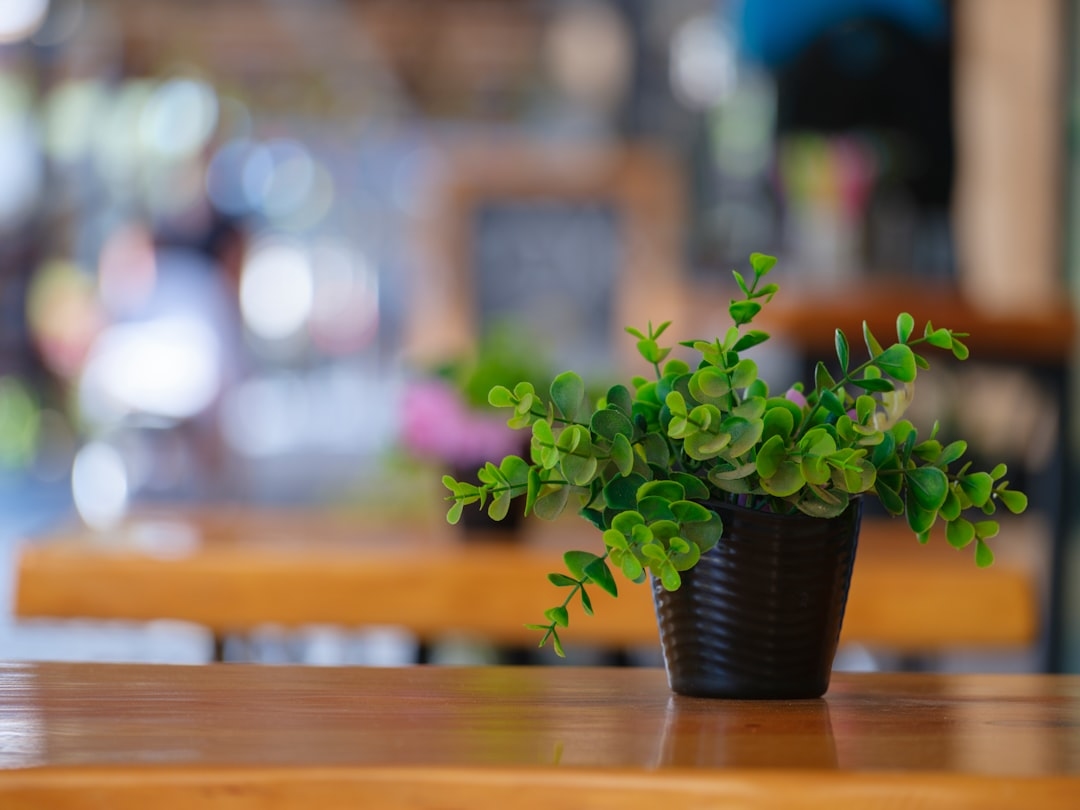
Your response should be proportional to your certainty about the giver and your own feelings. Here are three approaches depending on the situation.
If You Know Who Left It
A genuine, specific thank-you goes a long way. Avoid vague responses like “that was sweet.” Instead, try something like: “The sunflower completely changed the mood of my afternoon — thank you for thinking of me.” Specificity signals that you noticed the gesture and valued it. If the flower felt romantic and you don’t share those feelings, a warm but neutral acknowledgment — “That was really thoughtful of you” — closes the loop without making things awkward.
If You Don’t Know Who Left It
You can mention it casually to the people around you — “Someone left me a flower this morning, which was such a nice surprise” — and watch the reactions. If the giver wants to reveal themselves, they will. If not, the gesture is complete in itself. Don’t force an investigation; part of the beauty of an anonymous flower is the mystery.
If It Made You Uncomfortable
A flower left on your desk by someone whose attention you haven’t welcomed is worth addressing directly. A calm, private conversation — “I appreciate the thought, but I’d prefer we keep things purely professional” — is the clearest path forward. Document the exchange if there’s a pattern of unwanted attention.
Frequently Asked Questions
What does it mean when someone leaves a single flower on your desk?
A single flower on your desk typically signals intentional, personal communication — whether romantic interest, gratitude, sympathy, or friendship. The specific meaning depends on the flower type, your relationship with the giver, and the context. A red rose leans romantic; a yellow daisy leans friendly or appreciative.
Does a flower on your desk always mean romantic interest?
No. While romantic intent is common, flowers are also left to express gratitude, mark a celebration, offer silent sympathy, or simply brighten someone’s day. Read the flower type and your relationship with the giver together for the most accurate interpretation.
What flower is most commonly left as a romantic gesture at work?
Red roses remain the most universally recognized romantic flower. However, in professional settings, givers often choose softer options — a single pink tulip, a ranunculus, or a peony — to express interest without the full weight of a red rose, which can feel intense in a workplace context.
Should I say something if I find a flower on my desk?
If you know who left it, a brief, sincere acknowledgment is appropriate. If it was anonymous, a general comment to those nearby is enough. You’re not obligated to mount a search for the sender — the gesture is complete whether or not its source is identified.
What does it mean if the flower has no note?
The absence of a note is often deliberate. It allows the giver to express a feeling without full exposure, giving both parties space to interpret the gesture at their own comfort level. It tends to signal something personal rather than purely transactional.
Making Sense of the Gesture — and What Comes Next
The next time you find a flower waiting at your workstation, resist the urge to overthink it into one single meaning. The flower on desk meaning is rarely just one thing — it’s a layered communication shaped by the bloom itself, the person who chose it, and the moment it arrived. Pay attention to all three, and you’ll have a much clearer picture.
And if you’ve been thinking about leaving a flower for someone yourself — whether to say thank you, offer comfort, or take a quiet leap — consider this your encouragement. A single, well-chosen stem costs less than a cup of coffee and lands with far more weight. Choose thoughtfully, and let the flower do the talking.