Contents:
- Why Women Give Men Flowers — The Cultural Shift
- The Most Common Girl Gives Guy Flowers Meanings
- Romantic Interest
- Appreciation or Gratitude
- Celebration
- Comfort or Emotional Support
- Friendship and Deep Platonic Affection
- How Flower Type and Color Add Meaning
- A Seasonal Timeline: When She Gives Flowers Matters Too
- How to Respond — Practically
- FAQ: Girl Gives Guy Flowers Meaning
- Is it common for a girl to give a guy flowers?
- Does it always mean she likes him romantically?
- What flower type most strongly signals romantic interest?
- Should a guy reciprocate with flowers?
- What if she gave me flowers after a difficult time — is that romantic?
- What to Do Next
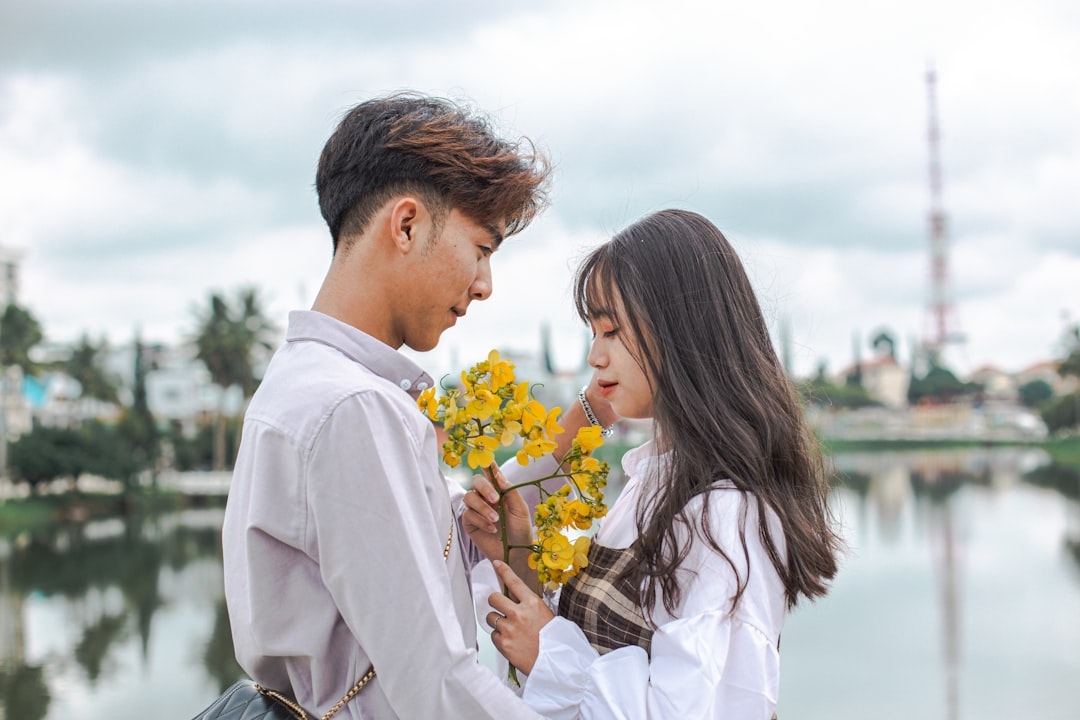
Has a woman ever handed you a bouquet and left you standing there wondering what just happened? You’re not alone. The girl gives guy flowers meaning question gets asked more often than most men admit — because flowers still carry weight, and receiving them unexpectedly can feel like trying to read a book in a language you only half-speak.
Here’s the truth: flowers from a woman to a man are rarely random. They mean something. The question is knowing what.
Why Women Give Men Flowers — The Cultural Shift
For most of the 20th century, flower-giving flowed in one direction: man to woman. That norm has steadily eroded. A 2026 survey by the Society of American Florists found that over 35% of flower purchases are now made by women buying for men — up from roughly 18% a decade earlier. The gesture is no longer unusual. It’s just less common than the reverse, which is exactly why it carries so much signal.
Flowers have a language — floriography — that dates back to the Victorian era, when specific blooms carried specific meanings. Red roses meant passionate love. Yellow roses meant friendship or jealousy depending on context. Sunflowers signaled admiration. That system has softened over time, but the underlying idea hasn’t gone anywhere. When a woman chooses flowers for a man, she’s usually making a deliberate choice, even if she couldn’t spell out every implication.
The Most Common Girl Gives Guy Flowers Meanings
Context is everything here. The same bouquet of tulips reads differently on Valentine’s Day versus after a job interview. Here are the most common reasons — and what distinguishes them.
Romantic Interest
This is the most loaded interpretation, and often the correct one. When a woman gives a man flowers with no obvious occasion attached — a random Tuesday, a casual hangout, just because — romantic interest is frequently the driver. Watch for flowers that lean red, deep pink, or include roses. Those color choices don’t happen by accident. If she hands them to you in person and holds eye contact a beat longer than necessary, the message is probably what you think it is.
Appreciation or Gratitude
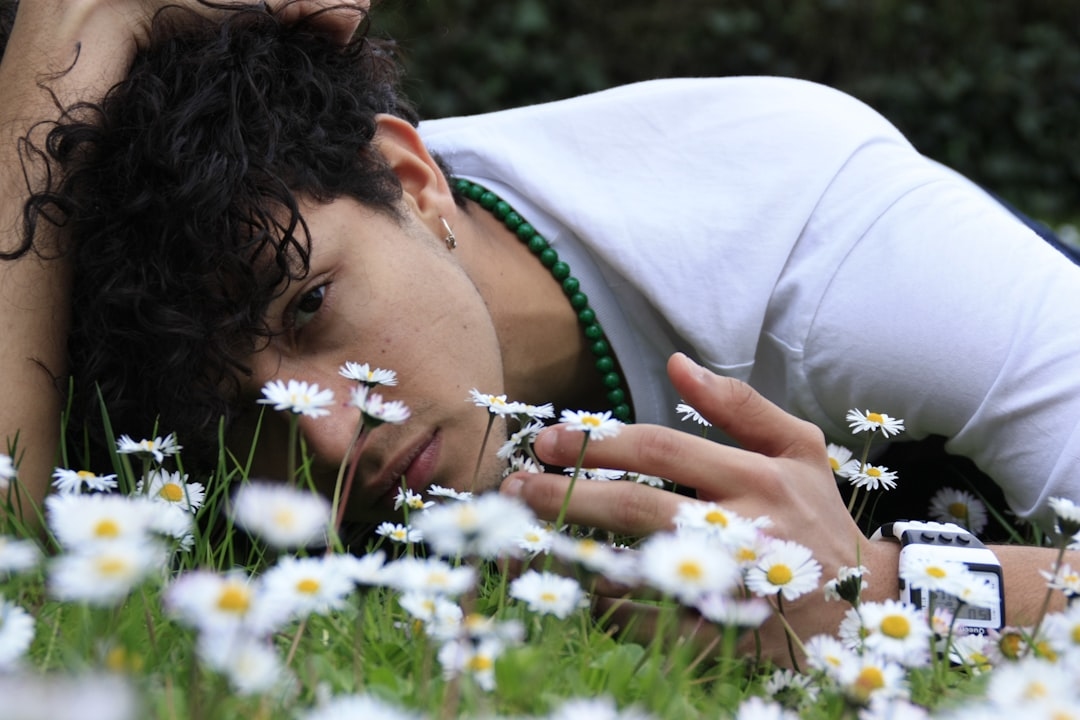
Helped her move? Fixed her car? Supported her through something difficult? Flowers are one of the oldest thank-you notes in existence. Gratitude-driven arrangements tend to be cheerful and practical — think mixed bouquets, sunflowers, or daisies. They’re warm without being smoldering. The wrapping is often simpler, sometimes from a grocery store rather than a florist, because the gesture matters more than the budget.
Celebration
Graduation, promotion, birthday, retirement — women give men flowers to mark milestones too. This one is the least complicated to decode. The occasion announces itself. The flowers are punctuation, not a question.
Comfort or Emotional Support
Loss, illness, hard weeks — flowers show up here too. A woman who brings you flowers during a difficult time is communicating care in a tactile, concrete way. These arrangements often include white lilies, soft lavender, or eucalyptus. They’re not about romance. They’re about presence.
Friendship and Deep Platonic Affection
Close female friends give each other flowers all the time. When that same impulse extends to a male friend, it usually means the friendship has genuine emotional depth. Don’t over-read it — but don’t dismiss it either. Strong platonic care is its own valuable thing.
How Flower Type and Color Add Meaning
“Flower choice is rarely accidental,” says Margaret Osei, a certified floral designer with 14 years at a boutique florist in Portland, Oregon. “Most women, even if they don’t know floriography by name, have absorbed color and flower associations from culture. Red means something different than yellow. A single stem means something different than a dozen.”
Here’s a quick reference:
- Red roses: Romantic love, desire — the least ambiguous flower on earth
- Yellow roses or sunflowers: Friendship, warmth, cheerfulness
- White flowers (lily, tulip, orchid): Respect, sympathy, new beginnings
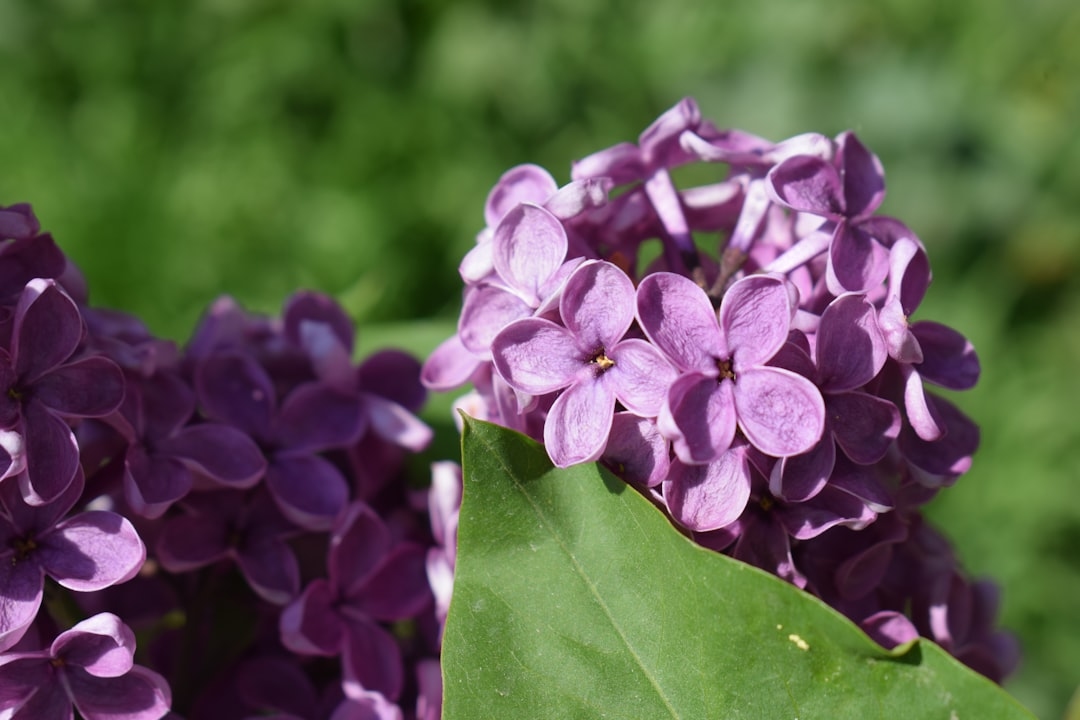
- Purple or lavender: Admiration, enchantment, sometimes apology
- Mixed wildflowers: Casual affection, free-spirited warmth, low-pressure appreciation
- Single stem: Intentional, personal, more intimate than a full bouquet
A Seasonal Timeline: When She Gives Flowers Matters Too
Timing layers onto meaning. Here’s how the calendar affects interpretation:
- January–February: Valentine’s season makes flower-giving feel expected. A woman who gives you flowers now is participating in a cultural moment — but if she does it on February 10th or 16th instead of the 14th, she’s deliberately stepping outside the script. That’s notable.
- March–May: Spring is prime casual-giving season. Flowers are cheap, abundant, and joyful. A spring bouquet is more likely appreciation or affection than a grand declaration.
- June–August: Farmer’s markets overflow with zinnias, dahlias, and sunflowers averaging $8–$15 a bunch. Summer flowers often carry a relaxed, spontaneous energy.
- September–November: Harvest season blooms — mums, marigolds, deep-hued dahlias. Flowers given in fall often mark transitions or milestones.
- December: Holiday amaryllis, poinsettias, and evergreen arrangements signal warmth and inclusion. Being given flowers at Christmas carries a “you matter in my life” tone.
How to Respond — Practically
Men sometimes fumble this moment by under-reacting (seeming ungrateful) or over-reacting (making it weird). Neither serves you.
- Say thank you immediately and specifically. “These are beautiful — I love sunflowers” beats a generic “Thanks.”
- Put them in water within 2 hours. Cut the stems at a 45-degree angle, use a clean vase, and add the provided flower food or a drop of bleach to extend life by 3–5 days. Mentioning later that they’re still looking great signals you cared enough to tend them.
- Ask about the flowers if you’re curious. “Did you pick these out yourself?” opens a conversation without forcing an interpretation.
- Match the energy of the moment. If the vibe was romantic, you have an opening. If it felt like friendship, honor that. Don’t project.
FAQ: Girl Gives Guy Flowers Meaning
Is it common for a girl to give a guy flowers?
It’s becoming more common. Over a third of flower purchases in the US are now made by women buying for men, according to the Society of American Florists. It’s no longer rare — just less expected than the reverse.
Does it always mean she likes him romantically?
No. Flowers communicate gratitude, celebration, sympathy, and deep friendship just as often as romance. Context — the occasion, the flower type, the color, and her behavior — determines the meaning more than the gesture alone.
What flower type most strongly signals romantic interest?
Red roses are the clearest signal, followed by deep pink roses and red tulips. A single red rose given without occasion is about as direct as a non-verbal gesture gets.
Should a guy reciprocate with flowers?
Not necessarily immediately, but acknowledging the gesture is important. A thoughtful response — verbal appreciation, caring for the flowers, or a follow-up gesture that matches the relationship tone — is more valuable than an automatic reciprocal bouquet.
What if she gave me flowers after a difficult time — is that romantic?
Not necessarily. Comfort-driven flower-giving is an act of emotional support, not a confession. White, soft-toned arrangements given during hardship usually mean “I care about you,” which spans both platonic and romantic relationships. Watch for other signals before drawing conclusions.
What to Do Next
The flowers are sitting in your kitchen. You’ve thought about why she gave them. Here’s the move: stop analyzing and start paying attention. Flowers open a window — they don’t slam a door. If you’re curious whether her gesture means what you hope it means, the best data you’ll collect comes from the next conversation, not the current bouquet. Put the stems in water, reach out to thank her again, and see where it goes from there. That’s the most practical and honest use of the signal she gave you.