Contents:
- The Psychology Behind Spontaneous Gesture-Giving
- He Sent Flowers No Reason Why — But There’s Almost Always a Reason
- He’s Romantically Interested and Testing the Waters
- He Wants to Strengthen an Existing Bond
- He’s Processing Feelings He Hasn’t Verbalized Yet
- It’s an Apology in Disguise
- Spontaneous Flowers vs. Obligatory Flowers: How to Tell the Difference
- What the Flower Choice Actually Communicates
- A Note on Sustainable and Locally Grown Flowers
- How to Respond When He Sends Flowers Unexpectedly
- Frequently Asked Questions
- What does it mean when a guy sends you flowers for no reason?
- Is receiving flowers unexpectedly a sign he likes me romantically?
- Should I ask him why he sent me flowers?
- Can flowers with no reason be a red flag?
- What’s a good way to display the flowers so they last longer?
- What to Do Next
In Victorian England, an entire language — called floriography — was built around flowers. A red rose meant passionate love. Yellow tulips signaled hopeless adoration. Even the way a bouquet was held communicated intent: presented upright, it expressed positive sentiment; handed upside down, it flipped the meaning entirely. Men and women exchanged floral messages in place of words they couldn’t speak aloud. That tradition hasn’t vanished. It’s just become harder to decode.
So when he sent flowers no reason why seems obvious to you — no birthday, no anniversary, no apology in sight — you’re not imagining that something is being communicated. You’re right to wonder what it is.
The Psychology Behind Spontaneous Gesture-Giving
Psychologists who study attachment and relational behavior consistently find that spontaneous, unprompted gestures carry more emotional weight than expected ones. A 2019 study published in Emotion (journal of the American Psychological Association) found that surprise gifts triggered significantly higher feelings of social connectedness than gifts given on expected occasions — even when the gift itself was of lower monetary value.
Flowers specifically occupy a unique psychological space. They are perishable. Unlike jewelry or a card, they demand acknowledgment within days. Sending something that will fade is, paradoxically, a high-commitment act — it says: I wanted you to feel something right now, not later.
This is the first thing worth understanding. He didn’t choose a candle or a gift card. He chose living flowers. That choice is already telling you something.
He Sent Flowers No Reason Why — But There’s Almost Always a Reason
Even when a gesture appears unprompted, there’s usually an internal trigger. These are the most common ones:
He’s Romantically Interested and Testing the Waters
Flowers are one of the oldest non-verbal ways to signal romantic interest without making a direct verbal declaration. If you’re not yet in a relationship with this person, a spontaneous bouquet is frequently a low-risk way to gauge your reaction. Did you text him excitedly? Post about it? Seem touched? He’ll read those signals carefully. Research from the Society for Personality and Social Psychology notes that indirect courtship gestures are particularly common among men who fear direct rejection — the flowers serve as a trial balloon.
He Wants to Strengthen an Existing Bond
If you’re already in a relationship, spontaneous flowers are often an expression of what relationship scientists call “relationship maintenance behavior.” Dr. John Gottman’s decades of couples research show that small positive gestures — particularly those that require effort and thoughtfulness — are among the most reliable predictors of long-term relationship satisfaction. Sending flowers mid-week, for no occasion, is a textbook example of this behavior in action.
He’s Processing Feelings He Hasn’t Verbalized Yet
Sometimes the flowers arrive before the conversation does. He may be working through something — growing feelings, a desire to get closer, gratitude for something you did — and hasn’t yet found the words. The bouquet is the precursor. In these cases, a gentle, warm response from you often opens the door to the verbal follow-through.
It’s an Apology in Disguise
Not every apology comes with an explicit “I’m sorry.” If there was a recent tension — even something minor that he may have felt worse about than you realized — flowers can be a way of making amends without reopening the wound. Watch for accompanying behavior: is he being more attentive than usual? More communicative? The flowers may be part of a broader reconciliatory pattern.
Spontaneous Flowers vs. Obligatory Flowers: How to Tell the Difference
A common point of confusion is distinguishing between a genuine spontaneous gesture and a guilt-driven or performative one. Here’s a practical framework:
- Spontaneous (meaningful): Arrives with no external trigger, accompanied by a thoughtful note or specific flower choice, no recent conflict or suspicious behavior beforehand.
- Performative or guilt-driven: Follows a period of distance, broken plans, or known wrongdoing; may be paired with excessive reassurance; flower choice feels generic (default grocery store arrangement).
- Habitual (also meaningful, just differently): He’s a regular flower-sender — perhaps raised in a family where this was normal. This is worth knowing, because it doesn’t diminish the gesture; it contextualizes it.
Pay attention to the flowers themselves. A generic dozen red roses from a national delivery chain reads differently than a hand-selected arrangement from a local florist. One takes thirty seconds online; the other takes intentionality.
What the Flower Choice Actually Communicates
“Most people don’t consciously choose flowers based on their symbolic meaning anymore, but they do make intuitive choices that reflect their emotional state,” says Dr. Marlena Theis, PhD, horticulture and consumer behavior researcher at Oregon State University Extension. “A man who selects sunflowers is expressing something different than one who selects white lilies — even if he couldn’t articulate why he chose them.”
Here’s a quick decoder for the most common spontaneous picks:
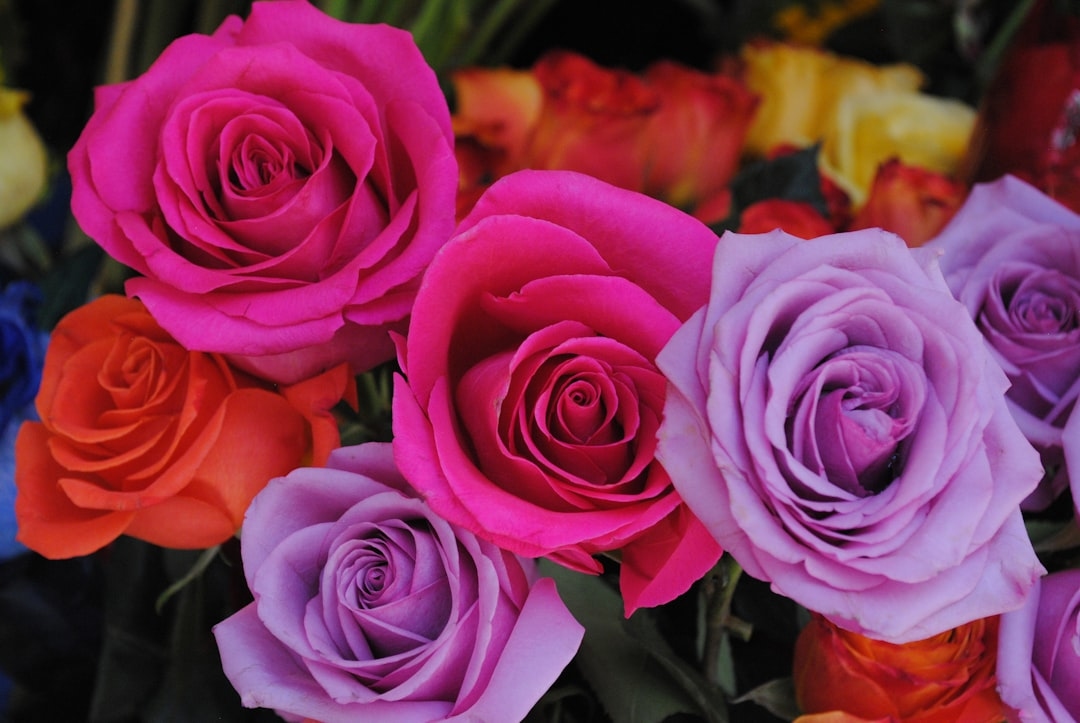
- Red roses: Classic romantic intent. Rarely accidental.
- Sunflowers: Warmth, admiration, a desire to make you smile. Often chosen by emotionally expressive personalities.
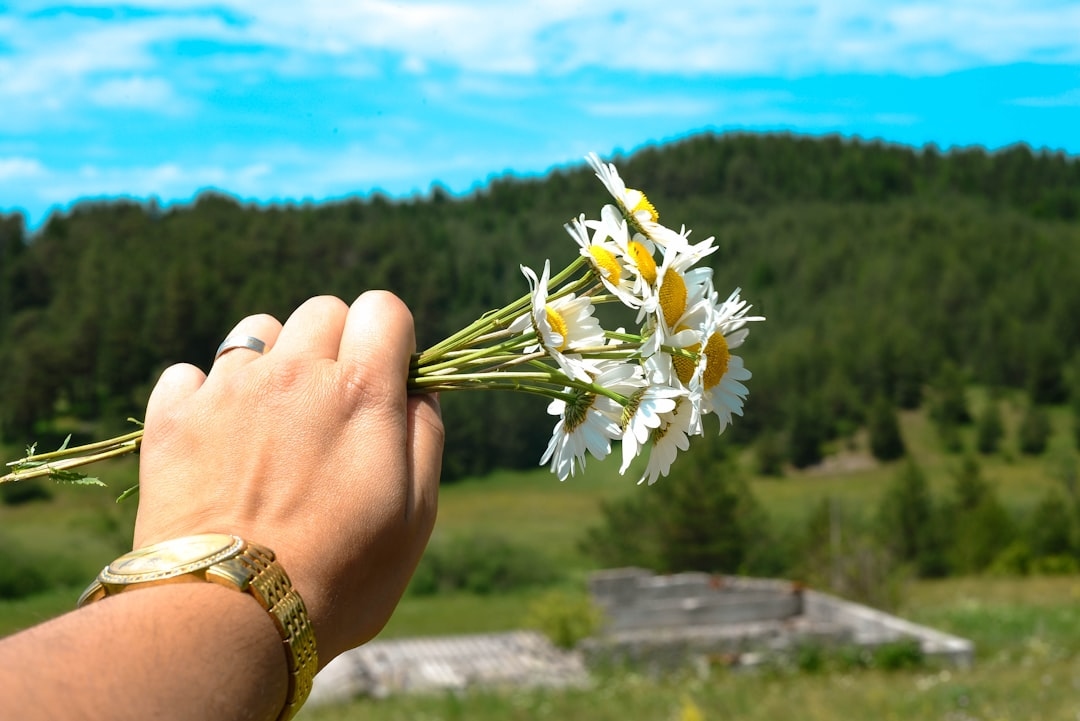
- Mixed wildflower bouquets: Thoughtful and personal. He likely put real effort into this choice.
- Pink peonies or ranunculus: Increasingly popular among younger men; signals he did some research, which itself signals effort.
- White lilies or orchids: Elegant and restrained — sometimes signals admiration from a respectful distance.
A Note on Sustainable and Locally Grown Flowers
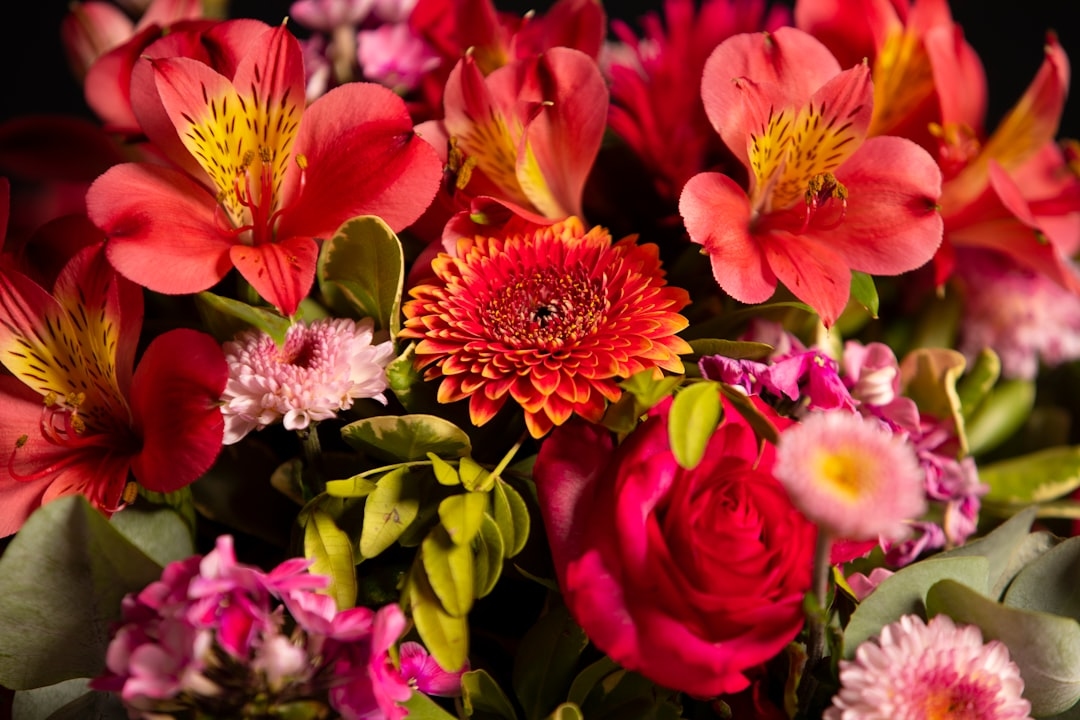
If he sourced the flowers from a local florist, farmers market vendor, or a certified sustainable farm (look for the Rainforest Alliance or VeriFlora certification labels), that adds another data point. Roughly 80% of cut flowers sold in the US are imported, primarily from Colombia and Ecuador, and choosing local or sustainably grown flowers requires deliberate research. It’s a small detail — but deliberate choices in small things often reflect deliberate thinking about you.
Sustainably grown flowers also tend to last longer, since they haven’t spent days in cold storage during international transit. If his bouquet is still vibrant four or five days later, that’s a quality indicator worth noting.
How to Respond When He Sends Flowers Unexpectedly
Your response matters. Here are practical, specific approaches depending on the situation:
- If you’re interested: Acknowledge the gesture warmly and specifically. “The ranunculus are my favorite — how did you know?” invites more conversation than a simple “thank you.”
- If you’re unsure of his intentions: A warm but neutral acknowledgment buys time: “These are beautiful — completely made my day.” It’s genuine without being conclusive.
- If you’re not interested: Respond graciously but without effusive language. Don’t over-explain, but don’t mirror the romantic energy either.
- If you’re already together: Tell him specifically what it meant to you. Behavioral reinforcement — letting him know this kind of gesture lands — significantly increases the likelihood of its continuation, according to positive reinforcement research in relationship psychology.
Frequently Asked Questions
What does it mean when a guy sends you flowers for no reason?
It almost always signals some form of positive emotional intent — romantic interest, affection, appreciation, or a desire to strengthen the connection. Truly random flower-giving is rare. There is usually an internal trigger, even if he hasn’t articulated it externally.
Is receiving flowers unexpectedly a sign he likes me romantically?
It’s one of the strongest non-verbal indicators of romantic interest, particularly if you’re not already in a relationship. Pay attention to the flower type, the accompanying message (if any), and his behavior in the days following.
Should I ask him why he sent me flowers?
Yes — if you want clarity, ask directly and warmly. Something like “I loved them — what’s the occasion?” opens the door without pressure. Most men who send spontaneous flowers are hoping for exactly that conversation.
Can flowers with no reason be a red flag?
Occasionally. If the flowers arrive alongside a pattern of boundary-crossing behavior, love-bombing, or come after a serious breach of trust, treat them as part of a larger behavioral pattern rather than an isolated gesture. A single bouquet in a healthy relational context, however, is rarely cause for concern.
What’s a good way to display the flowers so they last longer?
Trim stems at a 45-degree angle, change the water every two days, keep them away from direct sunlight and ripening fruit (which emits ethylene gas that accelerates wilting), and use the floral preservative packet if included. Most fresh-cut arrangements last 7–10 days with proper care.
What to Do Next
You now have a clear framework: the flowers aren’t random, the choice of bloom matters, and your response shapes what comes next. If this gesture has you thinking about him differently — or confirmed something you already suspected — trust that instinct. The Victorians built an entire botanical vocabulary because some things are easier to say with flowers first. He may be doing exactly that.
The next move is yours. Make it intentional.