Contents:
- The History Behind Bi-Color Rose Symbolism
- Yellow Rose Red Tips Meaning: The Core Interpretation
- Other Accepted Meanings
- A Reader’s Story: The Rose That Said Everything
- When to Give a Yellow Rose with Red Tips
- Appropriate occasions:
- Less appropriate occasions:
- Common Mistakes to Avoid
- Practical Tips for Displaying Yellow-Red Roses in Small Spaces
- FAQ: Yellow Rose with Red Tips
- What does a yellow rose with red tips mean in a relationship?
- Is a yellow rose with red tips romantic?
- Can you give a yellow rose with red tips as a friendship gift?
- What is the name of the yellow rose with red tips?
- Does the yellow rose red tips meaning differ by culture?
- Choose Your Rose With Intention
You’re standing at a flower stall, and a bouquet catches your eye — bright yellow roses, each petal edged in a vivid red blush. You buy them for a friend, or maybe someone gave them to you, and now you’re wondering what exactly you just gave or received. It’s not a pure red rose. It’s not a cheerful all-yellow stem. It’s something in between, and that middle ground matters more than most people realize.
The yellow rose red tips meaning has roots in Victorian floriography — the practice of sending coded messages through flowers. Understanding it can change how you choose, give, or display roses entirely.
The History Behind Bi-Color Rose Symbolism
Victorian-era flower language, codified in books like Le Language des Fleurs (1819) by Charlotte de Latour, assigned specific meanings to flower colors, combinations, and even how a bouquet was held. Yellow roses historically represented friendship, caring, and warmth — but not romantic love. Red roses carried passion and desire. A rose that wore both colors was seen as a flower caught in transition: affection deepening into something more intense.
This wasn’t just poetic license. Sending a bi-color rose was a deliberate social signal in an era when direct declarations of love were considered improper. The flower did the talking.
Today’s bi-color varieties like ‘Circus’, ‘Caribbean’, and the widely available ‘Piccadilly’ aren’t the result of hand-painting — they’re bred or are natural mutations. Some varieties develop red tips as the bloom ages or as temperatures drop, which itself became symbolic: feelings intensifying over time.
Yellow Rose Red Tips Meaning: The Core Interpretation
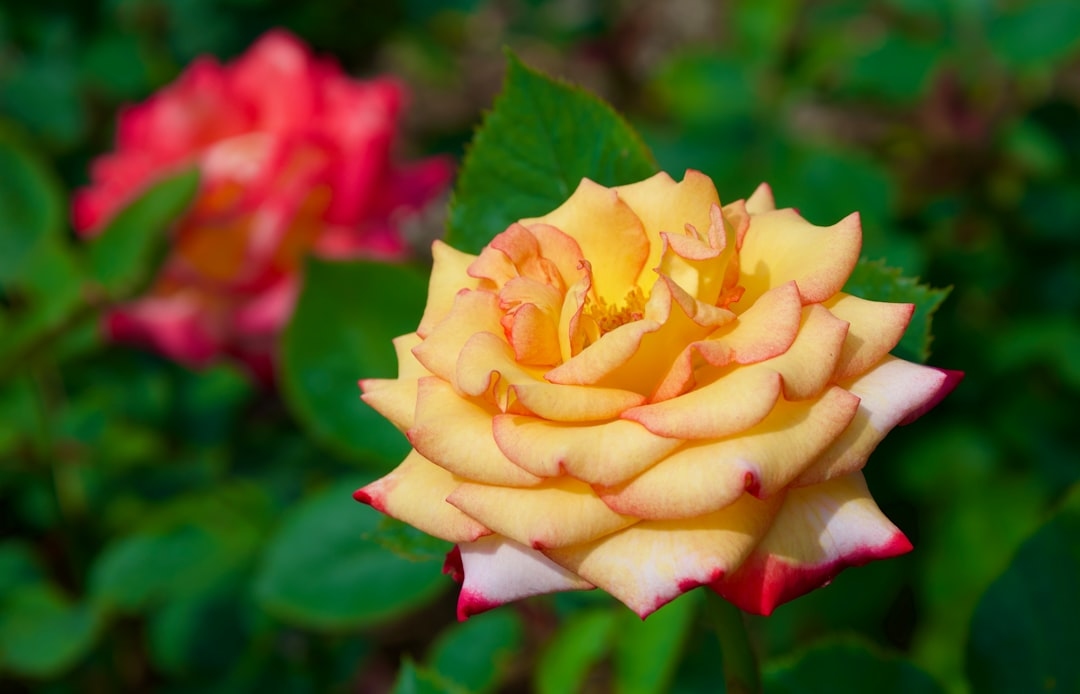
The most widely accepted meaning is falling in love with a friend. The yellow base represents an established foundation — trust, companionship, history. The red tips point toward where things are heading: passion, romantic love, desire. Together, the message is: what we have is becoming something more.
That’s a specific and emotionally loaded message. It’s not “I like you.” It’s “I’ve liked you for a while, and now I feel something stronger.”
Other Accepted Meanings
- Excitement and enthusiasm: In some modern floral traditions, especially in the US, yellow-tipped-red or red-tipped-yellow roses express joy with an edge — celebration that carries emotional weight.
- Congratulations with warmth: They’re appropriate for milestones like graduations or promotions where you want to convey pride and genuine affection, not just formality.
- Appreciation bordering on admiration: If you deeply admire someone but the relationship isn’t romantically defined, this rose lands in that nuanced space.
A Reader’s Story: The Rose That Said Everything
A woman named Carla shared her experience in an online flower forum: her coworker of three years left a single yellow rose with red tips on her desk the week before he transferred to another city. No note. She didn’t understand it at the time and tossed it, assuming it was a generic farewell gesture. Six months later, a mutual friend told her he had been in love with her for two years and couldn’t say it out loud. The rose was his goodbye.
She never forgot it. “I wish I’d known what it meant,” she wrote. “I might have said something back.”
That story captures exactly why flower symbolism still matters. A rose isn’t just décor. It can carry a message that words can’t hold.
When to Give a Yellow Rose with Red Tips
Occasion matters as much as meaning. These roses work in specific contexts — and fall flat in others.
Appropriate occasions:
- Confessing developing romantic feelings to a close friend
- Anniversary gifts early in a relationship (under 2 years), where passion is still building
- Valentine’s Day for a newer partner — more nuanced than all-red roses
- Congratulating someone on a major achievement you feel personally invested in
Less appropriate occasions:
- Long-term partnerships expecting a clear romantic statement — go full red
- Sympathy arrangements — the color combination reads as too celebratory
- Business events — the romantic undertone can send a confusing message in professional settings
Common Mistakes to Avoid
Confusing the color order. A yellow rose with red tips carries a different tone than a red rose with yellow edges. Red-dominant roses with yellow edges lean more toward “passionate with warmth.” Yellow-dominant roses with red tips lead with friendship. The base color sets the emotional foundation.
Assuming the meaning is universal. In some Eastern European traditions, yellow flowers carry associations with jealousy or separation. If you’re giving flowers to someone from Ukraine, Poland, or Russia, a solid red or white rose may communicate more clearly.
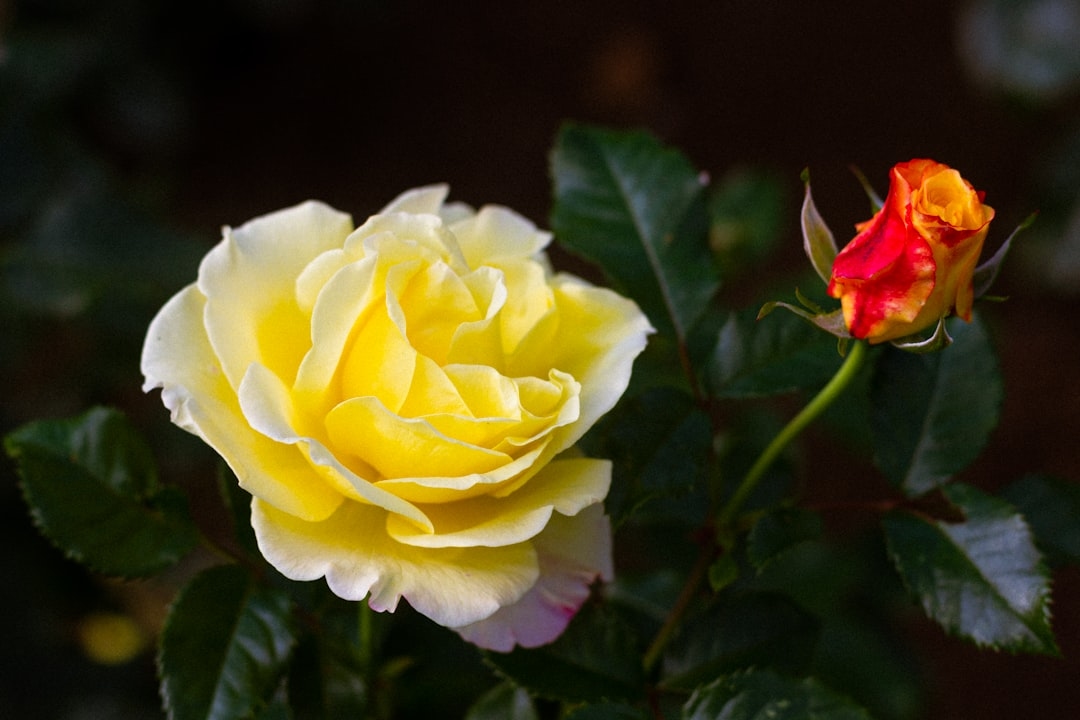
Ignoring stem count. In the US, a single rose carries a more intimate message than a bouquet of 12. One yellow-tipped rose is a quiet, personal confession. A dozen reads as a grander romantic gesture — adjust your quantity to your intent.
Buying the wrong variety. Not all bi-color roses have the same tipping pattern. Ask your florist specifically for varieties with yellow petals edged in red, such as ‘Piccadilly’ or ‘Masquerade’. Some florists sell dip-dyed roses that look similar but fade quickly — natural bi-color breeds last 7–10 days in a vase versus 3–4 days for dyed stems.
Practical Tips for Displaying Yellow-Red Roses in Small Spaces
A single stem in a slim bud vase on a windowsill does more for a small apartment than a sprawling bouquet on a coffee table. These roses photograph beautifully in natural light, making them a popular choice for bedside tables and kitchen shelves — spots where you actually spend time rather than just pass through.
Cut stems at a 45-degree angle, change the water every two days, and keep them away from fruit bowls — ethylene gas from ripening fruit shortens vase life by up to 30%. A single bloom in a 6-inch glass vase costs roughly $4–8 at a US grocery store florist, or $12–20 at a dedicated florist for a longer-lasting variety.
FAQ: Yellow Rose with Red Tips
What does a yellow rose with red tips mean in a relationship?
It typically means falling in love — specifically the transition from deep friendship into romantic feeling. It’s a rose that communicates growing affection rather than established love.
Is a yellow rose with red tips romantic?
Yes, but with nuance. It’s less overtly romantic than a red rose. It suggests emerging or developing romantic feelings, making it ideal for early-stage relationships or confessing feelings to a close friend.
Can you give a yellow rose with red tips as a friendship gift?
Only if you’re comfortable with the recipient potentially reading a romantic message into it. For strictly platonic gestures, a solid yellow rose is a cleaner choice.
What is the name of the yellow rose with red tips?
Several cultivars fit this description. Common ones include ‘Piccadilly’, ‘Masquerade’, ‘Circus’, and ‘Caribbean’. ‘Piccadilly’ is one of the most widely available in US florist shops.
Does the yellow rose red tips meaning differ by culture?
Yes. In the US and Western Europe, the meaning leans romantic and celebratory. In parts of Eastern Europe, yellow flowers carry associations with jealousy or farewell, so the context changes significantly. Always consider the recipient’s cultural background.
Choose Your Rose With Intention
Flowers work best when they’re chosen deliberately. The yellow rose with red tips isn’t a default gift — it’s a specific statement. Whether you’re standing at a florist trying to say something you can’t quite put into words, or you just received one and want to understand what it meant, this rose has a clear message: something is growing, deepening, changing.
Next time you’re at a florist, ask to see their bi-color stock. Look for natural varieties over dyed ones, choose a stem count that matches your intent, and let the flower carry what words sometimes can’t. That’s what it was designed for.