Contents:
- The Long History Behind Dried Flower Gifting
- Dried Flowers Gift Meaning: What Each Bloom Is Saying
- When the Occasion Changes the Meaning
- Dried Flowers vs. Fresh Flowers: Understanding the Difference in Intent
- Common Mistakes to Avoid When Interpreting (or Giving) Dried Flowers
- What Florists and Horticulturists Say About the Symbolism
- How to Respond When You Receive Dried Flowers
- Practical Tips for Giving Dried Flowers Intentionally
- FAQ: Dried Flowers Gift Meaning
- What does it mean when someone gives you dried flowers?
- Are dried flowers a romantic gift?
- What flowers are most commonly given as dried gifts and what do they mean?
- Is it bad luck to give dried flowers as a gift?
- How long do dried flower gifts last?
In Victorian England, people didn’t say “I love you” out loud — they sent flowers. Specifically, they practiced floriography, a coded language of blooms where every petal carried a private message. Dried flowers were especially prized: they lasted, they traveled well in letters, and they whispered something fresh flowers couldn’t — this feeling is permanent. That tradition never really died. It just evolved. Today, receiving a bundle of dried lavender or a preserved rose bouquet carries just as much weight, and understanding the dried flowers gift meaning can help you decode exactly what someone is trying to say.
The Long History Behind Dried Flower Gifting
Dried botanicals have been exchanged as meaningful tokens for over 3,000 years. Ancient Egyptians placed dried flowers in tombs as offerings to the gods and symbols of eternal life. By the 17th century, European herbalists were pressing and drying blooms not just for medicine but for sentiment — tucked into books, sewn into sachets, pressed between love letters.
The Victorian floriography craze formalized much of what we still feel intuitively today. A dried red rose meant enduring love. Dried lavender signaled devotion and calm. Dried rosemary stood for remembrance. These weren’t arbitrary assignments — they were drawn from centuries of herbal folklore, religious symbolism, and cultural association that had already embedded these meanings into everyday life.
What makes dried flowers culturally distinct from fresh ones is that act of preservation itself. Someone didn’t just buy these on the way over. Either they dried them intentionally, chose them carefully from a specialty shop, or — most meaningfully — preserved flowers that already held significance. That effort is part of the message.
Dried Flowers Gift Meaning: What Each Bloom Is Saying
Not all dried flowers carry the same emotional freight. The specific blooms in a bouquet matter enormously, and a thoughtful giver will often choose based on meaning as much as aesthetics. Here’s a breakdown of the most commonly gifted dried flowers and what they traditionally convey:
- Dried lavender: Devotion, calm, and a wish for serenity. Giving lavender suggests the giver sees you as someone who deserves peace in their life — or that they associate you with comfort.
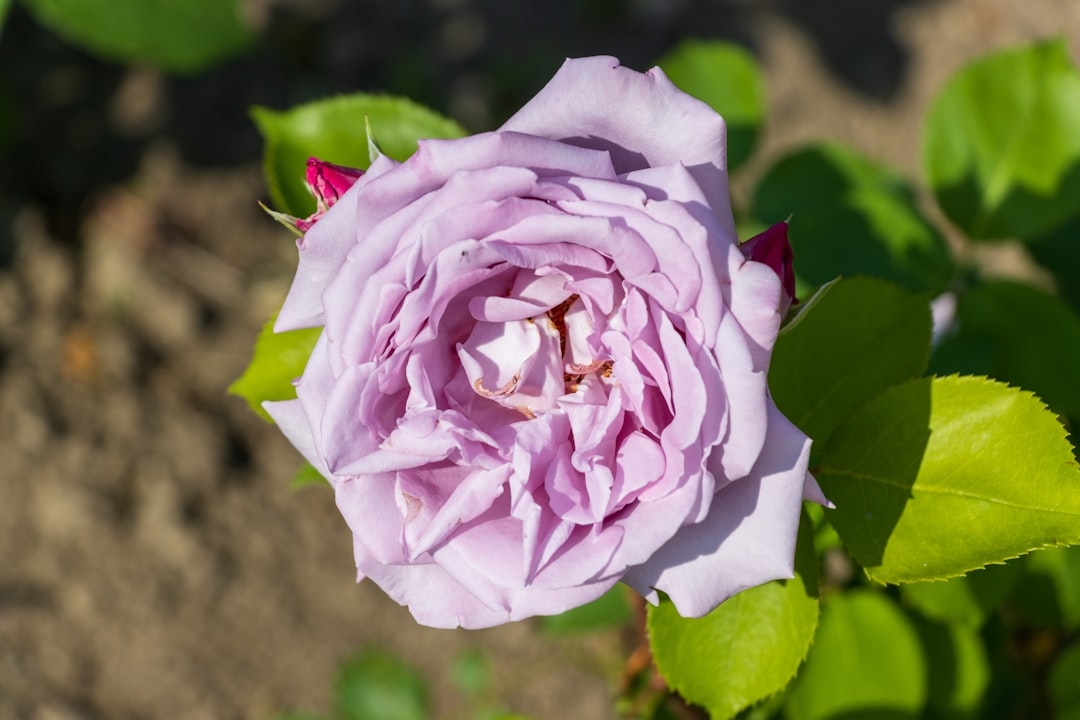
- Dried roses (red): Enduring love. Unlike fresh roses, which fade in days, a dried red rose is a deliberate statement: this isn’t temporary.
- Dried roses (pink or white): Appreciation, admiration, and friendship. These make beautiful gifts between close friends or as gestures of gratitude.
- Dried pampas grass: Freedom, energy, and abundance. It’s a modern favorite in bohemian arrangements and often signals a free-spirited, boundary-pushing personality in both giver and recipient.
- Dried eucalyptus: Protection, healing, and good health. Gifting dried eucalyptus is often an expression of care — “I want good things for you.”
- Dried statice (sea lavender): Remembrance and sympathy. This bloom appears frequently in memorial arrangements but also in gifts meant to honor a milestone or a shared memory.
- Dried strawflowers (Helichrysum): Also called everlasting flowers, these carry a direct symbolic message: immortality, unwavering affection, and things that don’t fade.
If someone handed you a mixed arrangement, look at what’s most prominent. That’s typically the intentional centerpiece of the message.
When the Occasion Changes the Meaning
Context shifts everything. Dried flowers given on a birthday carry a celebratory warmth — they’re saying “I put thought into this.” The same arrangement given after a loss says “I’m thinking of you, and so will I be for a long time.” Dried flowers at a housewarming suggest stability and a wish for a lasting, rooted home life. At a wedding, they’ve become enormously popular precisely because of their symbolism: couples want their love to last as long as a preserved bloom.
Dried Flowers vs. Fresh Flowers: Understanding the Difference in Intent
A common misconception is that dried flowers are a budget substitute for fresh ones — the “consolation prize” of floral gifting. This misreads both the gesture and the market. A high-quality dried flower arrangement from a specialty studio often runs $45–$120 in the US, comparable to a mid-range fresh bouquet. The difference isn’t cost. It’s intention.
Fresh flowers say: right now, in this moment, I’m thinking of you. They’re immediate, vibrant, and transient by design. Dried flowers say something fundamentally different: I want this to last. They’re chosen for permanence. The giver is gifting something the recipient can keep on a shelf for 1–3 years with minimal care, returning to it as a physical reminder of the person or occasion.
There’s also a sensory and aesthetic dimension. Dried flowers don’t need water. They don’t wilt on a Tuesday because you forgot to trim the stems. For people who travel frequently, live in small apartments without good natural light, or simply don’t have a green thumb for keeping florals alive, dried arrangements are genuinely practical — and a thoughtful giver might be signaling they know that about you.
Common Mistakes to Avoid When Interpreting (or Giving) Dried Flowers
Misreading a dried flower gift can lead to real confusion. Here are the most frequent missteps:
- Assuming negativity from dried flowers at funerals: In the US, dried flower arrangements at memorials are increasingly common and are not considered morbid — they’re a gesture of lasting remembrance. Don’t read grief into a dried arrangement unless the context clearly points there.
- Overlooking color as a modifier: Yellow dried flowers generally signal friendship and cheer, not romantic love — even in roses. Don’t conflate bloom type with color symbolism; both layers matter.
- Treating all dried bouquets as equally considered: A pre-made gas station bundle and a hand-curated arrangement from a botanical studio are not the same gesture. The effort and sourcing tell you as much as the flowers themselves.
- Expecting the giver to know the “official” meanings: Many people choose dried flowers for aesthetic or personal reasons without consulting Victorian floriography charts. Don’t over-decode a gift that might be saying simply: “I saw this and thought of you.”
What Florists and Horticulturists Say About the Symbolism
“Dried flowers are experiencing a genuine renaissance, and the clients choosing them are overwhelmingly intentional about it,” says Margaret Holloway, a certified floral designer with 18 years of experience and owner of Ember & Stem Studio in Portland, Oregon. “When someone asks me to create a dried arrangement as a gift, the first question I ask is, ‘What do you want this person to feel when they look at it five years from now?’ That question never comes up with fresh flowers. The permanence changes everything.”
Holloway recommends that anyone selecting a dried flower gift for a romantic partner lean toward arrangements featuring strawflowers, roses, and dried herbs like rosemary or thyme — blooms with centuries of symbolism behind them that most recipients will intuitively recognize as meaningful, even without knowing the specific history.
How to Respond When You Receive Dried Flowers
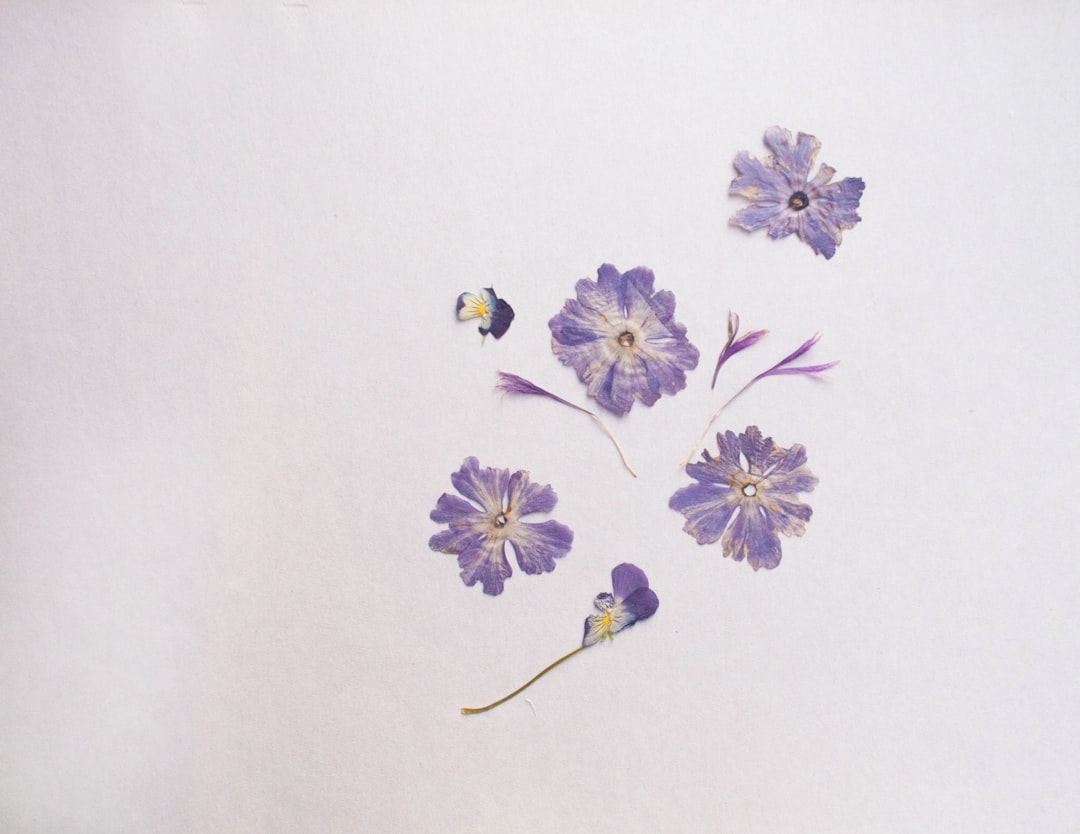
If you’ve received a dried flower arrangement and aren’t sure what to make of it, start with the relationship and context before analyzing the blooms. A close friend who travels to botanical markets and loves maximalist home decor is probably sharing an aesthetic love with you. A romantic partner who saved the pampas grass from your first date and had it professionally preserved is communicating something much more deliberate. Both are valid — they just live on different points of the emotional spectrum.
Display them somewhere prominent. Dried flowers last longest (often 1–3 years) in indirect light, low humidity, and away from direct heat sources. Keeping them visible honors the gesture and gives you daily touchpoints with whatever the arrangement meant.
Practical Tips for Giving Dried Flowers Intentionally
If you’re on the gifting side and want to make sure your message lands, a few targeted choices will sharpen the communication:
- Lead with one dominant bloom: Choose one flower that carries the core meaning and let the rest of the arrangement support it visually. A bouquet centered on dried red roses with eucalyptus filler says “enduring love with care” far more clearly than a jumbled mix.
- Add a handwritten note with a specific reference: “I dried these from the garden you helped me plant” lands differently than a generic “thinking of you” card. Specificity transforms a gift into a story.
- Consider the recipient’s space: Dried flower arrangements range from 6-inch small bud vases to 24-inch statement pieces. Match the scale to what you know about their home — a studio apartment may not accommodate a large pampas grass display.
- Source with intention: US-based dried flower shops like Terrain, Stems Brooklyn, and local botanical studios offer curated, high-quality arrangements. Expect to spend $30–$80 for a thoughtful mid-range gift.
FAQ: Dried Flowers Gift Meaning
What does it mean when someone gives you dried flowers?
Receiving dried flowers is typically a sign of thoughtfulness and a desire for lasting connection. Unlike fresh flowers, dried blooms are deliberately chosen for their permanence, symbolizing enduring affection, remembrance, or deep appreciation depending on the bloom and context.
Are dried flowers a romantic gift?
Yes, dried flowers can be deeply romantic — especially dried red roses, strawflowers (everlastings), and lavender. The act of preservation itself signals that the giver wants the feeling to last, which carries its own romantic weight.
What flowers are most commonly given as dried gifts and what do they mean?
Dried lavender means devotion and calm. Dried red roses symbolize enduring love. Dried eucalyptus conveys protection and care. Dried statice represents remembrance. Pampas grass signals freedom and abundance.
Is it bad luck to give dried flowers as a gift?
In some Eastern European and Asian cultural traditions, dried flowers are associated with bad luck or endings. In the US and Western Europe, however, they carry overwhelmingly positive connotations of lasting affection and are widely considered a thoughtful, modern gift.
How long do dried flower gifts last?
With proper care — indirect light, low humidity, no direct heat — a dried flower arrangement typically lasts 1 to 3 years. Some well-preserved pieces, particularly those using silica gel drying methods, can last 5 or more years without significant color loss.
The next time a dried arrangement lands in your hands, take a moment before you reach for the vase. Look at the blooms, think about the person, and consider the occasion. The dried flowers gift meaning is rarely accidental. Someone chose permanence on purpose — and that’s worth sitting with.
Ready to start building your own floral vocabulary? Pick up a few bundles of dried lavender or strawflowers from your local garden center and experiment with small arrangements. You’ll develop an eye for which blooms carry emotional weight, and you’ll have genuinely meaningful gifts ready the next time someone important deserves something that lasts.